
North India is a fascinating region filled with magnificent monuments, royal palaces, colourful markets, spiritual destinations, delicious cuisine and centuries of history. From the busy streets of Delhi to the beautiful marble architecture of Agra and the royal heritage of Jaipur, this part of India offers an unforgettable travel experience.
For travellers who want to discover India's culture and heritage in one holiday, the route connecting Delhi, Agra and Jaipur is an excellent choice. These three cities showcase different periods of Indian history, architectural styles, traditions and lifestyles. Whether you are a first-time visitor, a history enthusiast, a photography lover or someone looking for a memorable family holiday, this journey offers something for everyone.
One of the biggest advantages of exploring these destinations together is the convenience of travelling between them. You can experience famous UNESCO World Heritage Sites, visit traditional bazaars, taste regional food and discover local customs without planning a complicated journey across several distant states.
Let's explore why this popular North Indian route is one of the best ways to experience India's heritage, culture and hospitality.
The biggest reason to choose this route is that it connects three of North India's most interesting destinations in a single itinerary.
Delhi, Agra and Jaipur each have a distinct personality. Delhi represents a fascinating combination of ancient history and modern urban life. Agra is closely connected with the Mughal Empire and its magnificent architecture, while Jaipur introduces visitors to Rajasthan's royal traditions, colourful culture and impressive forts.
Travelling through these cities gives you a varied experience without requiring a separate holiday for every destination.
You can explore historic monuments in Delhi, admire the Taj Mahal in Agra and enjoy the magnificent palaces of Jaipur during the same trip. This combination makes the journey especially suitable for international travellers and domestic tourists who have limited holiday time.
Delhi is often the starting point for travellers exploring North India. As India's capital, the city combines historic landmarks, impressive government buildings, modern shopping centres, traditional markets and diverse cultural communities.
The city has been shaped by several dynasties and historical periods. Its monuments tell stories of the Delhi Sultanate, Mughal rulers and British colonial era.
Some of the most popular attractions include:
The Red Fort is one of Delhi's most recognisable historical landmarks. Built during the Mughal period, this impressive red sandstone complex features beautiful gateways, courtyards and palace structures.
Visitors can learn about the history of Mughal rule and India's independence while exploring the fort.
Qutub Minar is a remarkable historical tower surrounded by ancient architectural remains. Its height, decorative details and historical significance make it an important attraction for visitors interested in India's medieval architecture.
Humayun's Tomb is admired for its symmetrical gardens, elegant architecture and Mughal design. It is also an important monument in the development of later Mughal garden tomb architecture.
India Gate is a prominent landmark in New Delhi. Visitors often stop here to enjoy the surrounding public spaces, take photographs and explore nearby attractions.
Old Delhi offers a completely different experience from the wide roads and modern neighbourhoods of New Delhi. Jama Masjid and Chandni Chowk introduce visitors to traditional architecture, busy shopping lanes, street food and local culture.
Exploring Delhi with a knowledgeable local guide can make the experience more informative because you can understand the historical background of the monuments and discover interesting details about everyday city life.
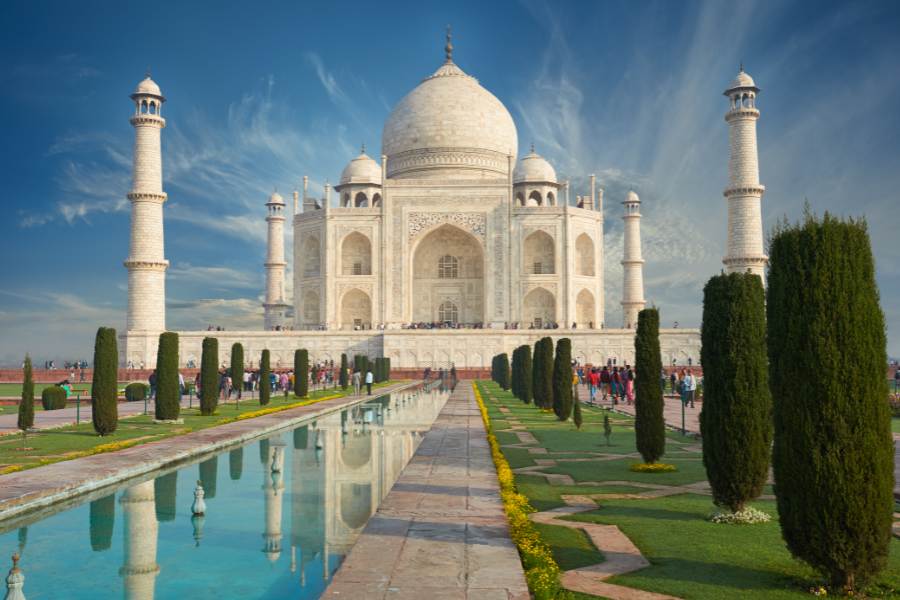
Agra is one of India's most famous heritage destinations and a major highlight of this journey. The city is best known for the Taj Mahal, an extraordinary white marble mausoleum recognised around the world for its beauty and architectural craftsmanship.
Built by Mughal Emperor Shah Jahan in memory of Mumtaz Mahal, the monument attracts visitors from different countries throughout the year.
The Taj Mahal is the main attraction for many travellers visiting Agra. Its symmetrical design, marble decoration, gardens and reflecting pool create a memorable sightseeing experience.
Early morning visits are popular because the weather is often more comfortable and the changing natural light creates beautiful photography opportunities.
Remember that the Taj Mahal remains closed to visitors on Fridays, so plan your Agra sightseeing accordingly.
Agra Fort is another important historical attraction. This impressive red sandstone fortress contains palaces, halls, courtyards and structures associated with Mughal rulers.
Visitors can explore its architectural details and enjoy views towards the Taj Mahal from selected areas within the complex.
Fatehpur Sikri is a historic Mughal city located outside Agra. Its impressive buildings, gateways, courtyards and religious structures make it an interesting destination for travellers who want to understand the architectural achievements of Emperor Akbar's reign.
Often admired for its detailed marble decoration, Itimad-ud-Daulah's Tomb is another attraction worth including in an Agra itinerary. Its delicate inlay work and peaceful surroundings offer a different perspective on Mughal architecture.
Agra also has traditional markets where visitors can explore marble handicrafts, leather products, textiles and local souvenirs.
Jaipur, popularly known as the Pink City, is one of Rajasthan's most attractive destinations. The city is famous for its royal palaces, historic forts, traditional crafts, colourful bazaars and distinctive architecture.
Unlike Delhi's urban atmosphere and Agra's Mughal heritage, Jaipur offers visitors an introduction to Rajput history and Rajasthan's royal traditions.
Important attractions include:
Amber Fort is one of Jaipur's most popular sightseeing destinations. Located on a hill overlooking the surrounding landscape, the fort features large courtyards, impressive gateways, decorated halls and beautiful palace interiors.
Its architecture reflects a combination of Rajput and Mughal influences.
Hawa Mahal, also known as the Palace of Winds, is famous for its distinctive pink façade and numerous small windows. It is one of the most photographed landmarks in Jaipur.
City Palace offers visitors an opportunity to explore the history of Jaipur's royal family. The complex includes courtyards, museums, decorative gateways and traditional architectural features.
Jantar Mantar is a historic astronomical observatory featuring large instruments designed to observe celestial movements and measure time.
It is particularly interesting for visitors who enjoy science, mathematics and history.
Jal Mahal is a picturesque palace located in Man Sagar Lake. Nahargarh Fort offers panoramic views of Jaipur and is a popular location for photography and sightseeing.
You can also explore Jaipur's markets for traditional jewellery, block-printed fabrics, handicrafts, pottery and Rajasthani souvenirs.
Another reason this route is ideal for discovering North India is the variety of architectural styles you encounter.
Delhi showcases architecture from different historical periods, including Sultanate structures, Mughal monuments and colonial-era buildings.
Agra is particularly famous for Mughal architecture, including white marble mausoleums, red sandstone forts, ornamental decoration and carefully planned gardens.
Jaipur presents the grandeur of Rajput architecture through its forts, royal residences, decorated courtyards and traditional city planning.
This variety makes the journey especially interesting for architecture students, photographers, history enthusiasts and travellers who enjoy exploring historic buildings.
Instead of seeing similar monuments throughout your holiday, you experience different design traditions and understand how India's history influenced its cities.
Food is an important part of travelling, and Delhi, Agra and Jaipur offer a wide range of regional flavours.
Each destination has its own culinary traditions, street food culture and popular dishes.
Delhi is famous for its street food and traditional North Indian cuisine. Visitors can explore dishes such as:
Old Delhi is particularly popular for its traditional food markets and historic eating establishments.
Agra is well known for Petha, a traditional sweet made from ash gourd. Visitors can also enjoy Mughlai dishes, Bedai with spicy potato curry, kachori and various local snacks.
Jaipur introduces visitors to the flavours of Rajasthan. Popular dishes include:
Trying local food allows travellers to experience the region beyond its monuments and discover the traditions that make each city unique.
If you have dietary restrictions, inform your restaurant or tour operator in advance so suitable options can be arranged.
Shopping is another enjoyable part of exploring North India. Delhi, Agra and Jaipur each have markets offering distinctive products and souvenirs.
Delhi has popular shopping areas such as Chandni Chowk, Connaught Place and Dilli Haat. Visitors can find clothing, jewellery, handicrafts, spices, accessories and traditional Indian products.
Agra is known for marble handicrafts, leather goods, decorative souvenirs and local sweets. Travellers interested in traditional craftsmanship can explore shops selling marble inlay products inspired by Mughal architecture.
Jaipur is especially famous for gemstones, blue pottery, block-printed fabrics, traditional jewellery, handmade textiles and colourful handicrafts.
When shopping, compare prices at different stores and ask about product materials and return policies. For expensive purchases, request a proper bill and product details.
One of the most practical advantages of this route is that the three destinations can be connected through a manageable road journey.
Travellers can begin in Delhi, continue to Agra and then travel towards Jaipur before returning to Delhi or continuing to another destination.
The route is popular with private-car travellers because it allows sightseeing stops along the way. Depending on your schedule, you may also include destinations such as Fatehpur Sikri or the Chand Baori stepwell at Abhaneri.
You can choose from different transportation options:
Private air-conditioned car: Suitable for families, couples and travellers who prefer flexibility and comfortable road travel.
Train: A useful option for connecting major cities, especially for travellers who prefer rail journeys.
Bus: Can be considered by budget-conscious travellers, depending on the route and schedule.
Private guided package: Useful when you want transport, sightseeing and local guides coordinated through one operator.
Travel times depend on traffic, weather, road conditions and the exact starting and ending points. It is better to keep some flexibility in your daily schedule rather than planning too many activities around fixed arrival times.
Planning a first visit to India can feel overwhelming because the country has many destinations, cultures, languages and travel experiences.
A journey through Delhi, Agra and Jaipur offers a convenient introduction to several important aspects of Indian tourism.
You can experience historic architecture, local markets, traditional food, religious places, modern city life and royal heritage within a single itinerary.
It also gives visitors a chance to understand the differences between the cultures of different cities.
For first-time international travellers, choosing a reliable tour operator, arranging suitable transport and booking professional guides can make the holiday easier to manage.
You do not need to plan every sightseeing detail independently. A well-organised itinerary can coordinate hotels, transfers, monument visits and local experiences according to your preferences.
Not every traveller has the same interests or available time. One of the best features of this North Indian route is that it can be adjusted according to your travel style.
Couples may prefer comfortable hotels, private transfers, sunset viewpoints and relaxed sightseeing.
Families may want spacious vehicles, convenient hotel locations, shorter sightseeing sessions and activities suitable for children.
History enthusiasts can spend more time exploring forts, museums, monuments and heritage sites.
Photography lovers may prefer sunrise visits, historic streets, traditional markets and viewpoints.
Budget travellers can choose economical hotels, public transport and selected guided sightseeing services.
Luxury travellers may prefer premium accommodation, private vehicles, specialist guides and personalised experiences.
This flexibility makes the route suitable for a wide range of visitors.
If you are planning a short holiday, five days can provide an introduction to the three main destinations. Travellers who want a slower pace may prefer six or seven days.
Day 1: Arrival and Delhi Sightseeing
Arrive in Delhi and transfer to your hotel. Depending on your arrival time, explore selected attractions such as India Gate, Qutub Minar, Humayun's Tomb or the historic areas of Old Delhi.
Day 2: Delhi to Agra
Travel to Agra by private vehicle or another suitable transport option. After arrival, explore Agra Fort and other available attractions. Spend the night in Agra.
Day 3: Taj Mahal and Journey to Jaipur
Visit the Taj Mahal in the morning, keeping its opening schedule in mind. After breakfast, begin your journey towards Jaipur. If time allows, include a visit to Fatehpur Sikri.
Day 4: Jaipur Sightseeing
Explore Amber Fort, City Palace, Jantar Mantar and Hawa Mahal. You can also visit local markets and enjoy traditional Rajasthani food.
Day 5: Return to Delhi
Enjoy breakfast and travel back to Delhi. Your journey can end with a hotel drop-off, airport transfer or railway station transfer.
This itinerary is a starting point rather than a fixed schedule. Add extra days if you want more time for shopping, photography, cultural activities or additional sightseeing.
Choosing the right season can improve your overall travel experience.
October to March: This is generally a popular period for sightseeing because temperatures are usually more comfortable. It is suitable for exploring monuments, markets and outdoor attractions.
April to June: Temperatures can become very high, especially in Agra and Jaipur. Plan sightseeing early in the morning, stay hydrated and take breaks during the afternoon.
July to September: The monsoon season can bring rain and humid conditions. Gardens and landscapes may look greener, but road travel and outdoor activities can be affected by weather.
For travellers who prefer pleasant sightseeing conditions, October to March is often a good choice. However, check local weather forecasts and monument schedules before departure.
Good planning can make a multi-city holiday more enjoyable. Consider the following practical suggestions before travelling:
If you are travelling with children or older family members, discuss the sightseeing pace with your tour operator in advance. A comfortable schedule is often more rewarding than trying to visit every attraction.
Although Delhi, Agra and Jaipur provide a wonderful introduction to North India, travellers with additional time can explore other destinations nearby.
Ranthambore: Popular among wildlife enthusiasts, Ranthambore National Park offers opportunities to explore forest landscapes and enjoy organised wildlife safaris.
Pushkar: Known for its sacred lake, temples and cultural atmosphere, Pushkar is an interesting addition for travellers exploring Rajasthan.
Ajmer: Visitors can explore important religious and historical attractions, including Ajmer Sharif Dargah.
Mathura and Vrindavan: These destinations are associated with Lord Krishna and attract visitors interested in religious heritage and local traditions.
Udaipur: Famous for its lakes, palaces and romantic atmosphere, Udaipur is an attractive extension for travellers who want to discover more of Rajasthan.
Adding destinations depends on your available days, travel budget and preferred pace. It is better to choose a few additional places carefully rather than creating an exhausting itinerary.
North India offers an extraordinary combination of history, architecture, food, traditions and unforgettable travel experiences. Exploring Delhi, Agra and Jaipur together allows visitors to discover different sides of Indian heritage while keeping their travel plans convenient and organised.
From Delhi's historic monuments and lively markets to Agra's Mughal architecture and Jaipur's royal palaces, every destination adds something special to the journey. You can also enjoy regional cuisine, traditional shopping, cultural activities and beautiful photography opportunities along the way.
The Golden Triangle Tour is an excellent choice for first-time visitors, families, couples and international travellers who want to experience some of India's most recognised destinations in one memorable holiday. With a suitable itinerary, comfortable transportation and knowledgeable local guides, your North India trip can become a rewarding introduction to India's history and culture.
Five to seven days are generally suitable for exploring the three cities. This duration allows visitors to enjoy major attractions, local markets and cultural experiences without rushing.
Delhi is a convenient starting point for many travellers because it has an international airport and good rail connections. From there, you can continue to Agra and Jaipur.
Popular attractions include Red Fort, Qutub Minar, Humayun's Tomb, Taj Mahal, Agra Fort, Fatehpur Sikri, Amber Fort, Hawa Mahal and City Palace.
Yes. The three destinations offer historic attractions, shopping, food experiences and convenient transport connections. Families can customise the itinerary according to their needs.
It provides a balanced introduction to Indian history, architecture, cuisine, markets and regional culture. It also connects three major destinations through a well-established travel route.


