
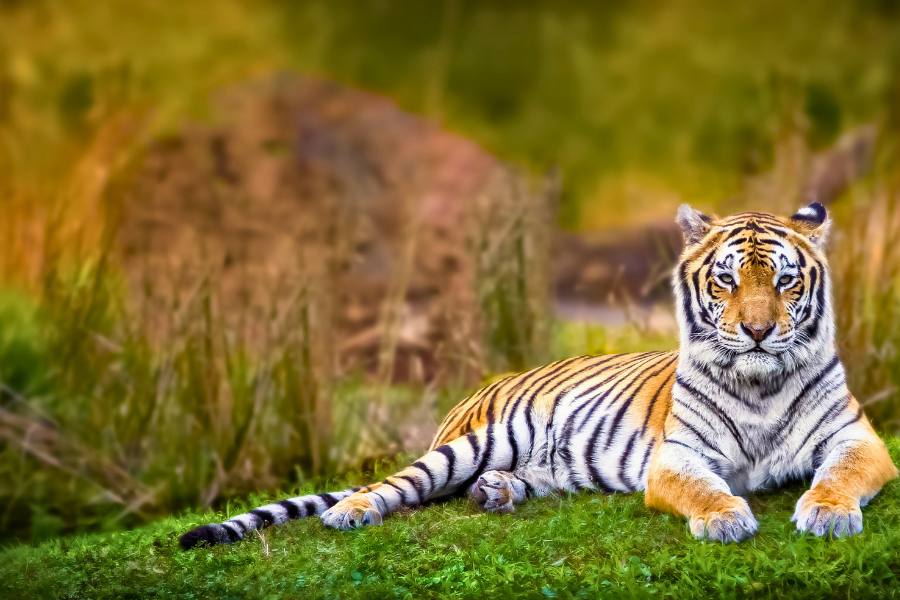
Ranthambore National Park is one of India's most celebrated wildlife destinations and a dream location for photographers, nature lovers, and adventure seekers hoping to witness the majestic Bengal tiger in its natural habitat. Located in the Sawai Madhopur district of Rajasthan, the park attracts thousands of visitors every year because it offers one of the highest chances of spotting tigers in the wild. However, one question frequently asked by travelers is: Which Ranthambore safari zone is best for tiger sightings?
The answer isn't entirely straightforward because tiger movements are unpredictable, and every safari offers a unique experience. While certain zones have historically recorded more tiger sightings than others, wildlife sightings ultimately depend on factors such as season, weather, safari timing, and a little bit of luck. Understanding the characteristics of each safari zone can significantly improve your chances of enjoying an unforgettable wildlife adventure.
This comprehensive guide explains every Ranthambore safari zone, highlights the best zones for tiger sightings, shares expert travel tips, discusses the best safari timings, and helps you plan the perfect Ranthambore wildlife experience.
Spread across approximately 1,334 square kilometers, including its buffer areas, Ranthambore National Park is one of India's largest and most famous tiger reserves. Once the royal hunting grounds of the Maharajas of Jaipur, the park is now protected under Project Tiger and serves as a crucial habitat for Bengal tigers, leopards, sloth bears, hyenas, marsh crocodiles, sambars, chitals, nilgai, wild boars, and more than 300 species of birds.
The park is divided into 10 safari zones, each offering different landscapes, water bodies, vegetation, and wildlife habitats. Every zone has its own charm, and no single zone guarantees tiger sightings every day. Nevertheless, wildlife experts and experienced guides generally consider a few zones more productive than others.
Each safari zone has a fixed number of vehicles allowed every day to minimize disturbance to wildlife. Visitors are assigned zones during booking, although private bookings may allow limited preferences depending on availability.
The Ranthambore safari zone assigned to your permit determines the route your safari vehicle follows. Some zones feature open grasslands, while others contain lakes, dense forests, rocky hills, and ancient ruins. Tigers move freely across territories, but their preferred habitats often influence the likelihood of sightings.
Experienced naturalists recommend learning about each zone before booking because understanding the terrain helps set realistic expectations.
If there is one safari zone that consistently appears on every wildlife enthusiast's list, it is Zone 3.
Zone 3 is home to the beautiful Padam Talao, Rajbagh Ruins, and Jogi Mahal, creating one of the most scenic landscapes in the park. Tigers are frequently seen near the lake, especially during warmer months when they visit water sources.
Photographers particularly love this zone because the combination of ancient ruins, reflective lakes, and majestic tigers creates spectacular photographic opportunities. Many of Ranthambore's iconic tiger images have been captured here.
Because of its popularity, Zone 3 is often among the first safari permits to sell out during peak tourist season.
Zone 2 has developed an excellent reputation for regular tiger sightings over the years. The area contains several waterholes, rocky terrain, and dense vegetation that provide ideal hunting grounds for tigers.
Apart from Bengal tigers, visitors frequently encounter leopards, striped hyenas, crocodiles, peacocks, langurs, and numerous deer species. Wildlife photographers appreciate the varied landscapes that offer excellent compositions throughout the safari.
Many experienced guides believe this Ranthambore safari zone provides one of the most balanced wildlife experiences for first-time visitors.
Zone 4 combines scenic beauty with strong tiger movement. Its valleys, lakes, and forested areas attract both prey animals and predators, increasing the chances of exciting wildlife encounters.
The historical Chauth Ka Barwara region and ancient temples further enhance the safari experience. Visitors often enjoy sightings of sambars, chitals, wild boars, crocodiles, and colorful bird species alongside occasional tiger sightings.
Morning safaris in Zone 4 are particularly rewarding due to pleasant temperatures and increased animal activity.
Zone 5 remains another highly recommended safari destination. This zone includes Singhdwar, Bakola, and several water bodies where tigers frequently patrol their territories.
Besides tigers, Zone 5 also supports healthy populations of leopards, sloth bears, jackals, and marsh crocodiles. During summer, animals often gather near waterholes, making sightings more frequent.
Wildlife experts often rank this Ranthambore safari zone among the park's most productive areas for serious wildlife enthusiasts.
Although Zones 2, 3, 4, and 5 receive most of the attention, the remaining zones should never be overlooked.
Zone 1 has occasionally produced remarkable tiger sightings despite being less famous. Zones 6 through 10 belong largely to the park's buffer regions and have become increasingly important as tiger populations continue expanding.
Several well-known tigers have established territories within these newer zones, leading to excellent sightings in recent years. Additionally, these zones often receive fewer safari vehicles, providing a quieter and more peaceful wildlife experience.
Travelers who visit multiple safaris often enjoy exploring different zones to experience the park's incredible diversity.
The park usually remains open from October to June.
Winter offers pleasant weather, lush scenery, and comfortable safari conditions. Although vegetation is denser, tiger sightings remain frequent around water sources.
Temperatures begin rising, causing wildlife to gather near lakes and waterholes more frequently.
Summer is considered one of the best periods for tiger photography because animals regularly visit limited water sources throughout the day. While temperatures can exceed 40°C, experienced wildlife photographers often consider these months ideal.
The simple answer is no.
Tigers are wild animals that roam freely according to territorial behavior, prey availability, and weather conditions. Even the most famous Ranthambore safari zone cannot promise a tiger sighting on every safari.
Professional guides and drivers continuously communicate regarding fresh pugmarks, alarm calls, and recent tiger movements, improving visitors' chances of successful sightings. However, patience remains one of the most valuable qualities during any wildlife safari.
Visitors can choose between two safari vehicles.
Safari TypeCapacityBest ForJeep Safari6 GuestsBetter photography, quieter experience, greater flexibilityCanter Safari20 GuestsBudget travelers and larger groups
Jeep safaris generally provide a more personalized wildlife experience, making them the preferred option for photographers and serious wildlife enthusiasts.
Planning wisely can significantly improve your safari experience.
These simple strategies often make a remarkable difference during your wildlife adventure.
Although tigers are the primary attraction, Ranthambore offers extraordinary biodiversity.
Visitors regularly encounter:
Many travelers leave Ranthambore equally impressed by its birds, reptiles, ancient ruins, and breathtaking landscapes.
Unlike many national parks where tiger sightings remain rare, Ranthambore combines healthy tiger populations with relatively open landscapes that improve visibility.
Its historic fort, beautiful lakes, dramatic cliffs, dense forests, and centuries-old ruins create one of India's most visually stunning wildlife destinations. Every safari feels different because animal movements constantly change, ensuring no two visits are ever identical.
Whether you're an experienced wildlife photographer or a first-time safari traveler, choosing the right Ranthambore safari zone while keeping realistic expectations greatly enhances your overall experience.
So, which Ranthambore safari zone is best for tiger sightings?
Based on historical sighting records, wildlife expert recommendations, and visitor experiences, Zones 2, 3, 4, and 5 consistently provide the highest chances of encountering Bengal tigers. Among them, Zone 3 remains the most famous due to its stunning scenery, Padam Talao, Rajbagh Ruins, and frequent tiger activity.
However, every safari is unique. Tigers move freely between territories, and excellent sightings can occur in any zone on any given day. Booking multiple safaris across different zones significantly increases your opportunities to witness these magnificent predators in their natural habitat.
Ranthambore is far more than a tiger reserve—it is an extraordinary wilderness where history, nature, and wildlife combine to create one of India's greatest safari experiences.
Zones 2, 3, 4, and 5 are generally regarded as the best for regular tiger sightings, with Zone 3 being the most popular.
Jeep safaris offer a quieter, more flexible, and photography-friendly experience, while Canter safaris are more economical for larger groups.
March to June usually offers the highest probability of tiger sightings because animals frequently visit waterholes during warmer weather.
Booking at least two to three safaris across different zones significantly improves your chances of spotting tigers.
Yes. These zones have become increasingly productive as tiger populations have expanded, and they often provide a quieter safari experience with fewer vehicles.


