
India is one of the world's most fascinating destinations for travelers interested in history, traditions, architecture, religion, art, food, festivals, and local lifestyles. From ancient temples and Mughal monuments to royal palaces, colorful markets, historic cities, traditional villages, and spiritual centers, the country offers an incredible variety of cultural experiences.
For travelers planning their first trip, choosing where to experience the best Culture and Heritage in India can be challenging because every region has its own identity. Rajasthan is famous for royal palaces and forts, Delhi and Agra showcase Mughal and colonial history, Varanasi offers a deeply spiritual experience, Kerala is known for traditional art and backwater culture, while Tamil Nadu is celebrated for magnificent temples and classical traditions.
The best destination ultimately depends on what type of heritage interests you most. If you want to see forts and palaces, Rajasthan is an excellent choice. If you want to explore India's Mughal history, Delhi and Agra should be included. If spirituality interests you, Varanasi and other sacred cities offer extraordinary experiences.
India's cultural heritage has developed over thousands of years through the influence of numerous kingdoms, empires, religions, communities, and artistic traditions.
The country is home to ancient archaeological sites, historic monuments, UNESCO World Heritage Sites, temples, mosques, churches, monasteries, forts, palaces, stepwells, traditional markets, and historic neighborhoods.
India's cultural diversity is also visible in everyday life. Clothing, music, dance, cuisine, languages, festivals, handicrafts, architecture, and religious traditions vary significantly from one region to another.
A journey focused on heritage therefore provides much more than sightseeing. Travelers can experience local traditions by attending festivals, visiting artisans, exploring markets, tasting regional cuisine, and interacting with local communities.
Rajasthan is one of the strongest destinations for travelers who want to experience India's royal past. The state is known for magnificent forts, palaces, colorful cities, desert landscapes, traditional crafts, folk music, and royal hospitality.
Cities such as Jaipur, Udaipur, Jodhpur, Jaisalmer, Bikaner, and Pushkar each offer a different cultural experience.
The architecture of Rajasthan reflects centuries of Rajput history, while Mughal influences can also be seen in many palaces and forts.
Staying in a heritage hotel can make your trip even more immersive. Many historic properties have been converted into hotels while retaining traditional courtyards, decorative details, gardens, and royal-style interiors.
Jaipur is an excellent starting point for exploring Rajasthan's heritage.
Founded in 1727 by Maharaja Sawai Jai Singh II, Jaipur is famous for its planned historic center and distinctive pink-colored buildings.
Major attractions include Amber Fort, City Palace, Hawa Mahal, and Jantar Mantar.
Amber Fort combines Rajput and Mughal architectural influences and features courtyards, gateways, gardens, halls, and decorative artwork.
City Palace provides insight into Jaipur's royal history, while Jantar Mantar demonstrates the scientific interests of the city's founder.
Hawa Mahal is one of Jaipur's most recognizable landmarks and is particularly popular with photographers.
Udaipur provides a different type of royal experience. The city is famous for Lake Pichola, City Palace, historic mansions, gardens, and scenic views.
The city's romantic atmosphere makes it popular with couples, but it is equally appealing to travelers interested in architecture and history.
A boat ride on Lake Pichola offers beautiful views of palaces and surrounding hills.
Udaipur's heritage hotels and traditional restaurants also provide opportunities to experience Rajasthan's royal lifestyle beyond conventional sightseeing.
Jodhpur is dominated by the impressive Mehrangarh Fort, one of Rajasthan's most spectacular historic landmarks.
The fort rises above the blue-colored old city and contains palaces, courtyards, galleries, and museums.
Exploring the old city provides a chance to experience traditional markets, local food, handicrafts, and everyday life.
Jodhpur is particularly attractive for travelers who want to combine architecture with photography and local culture.
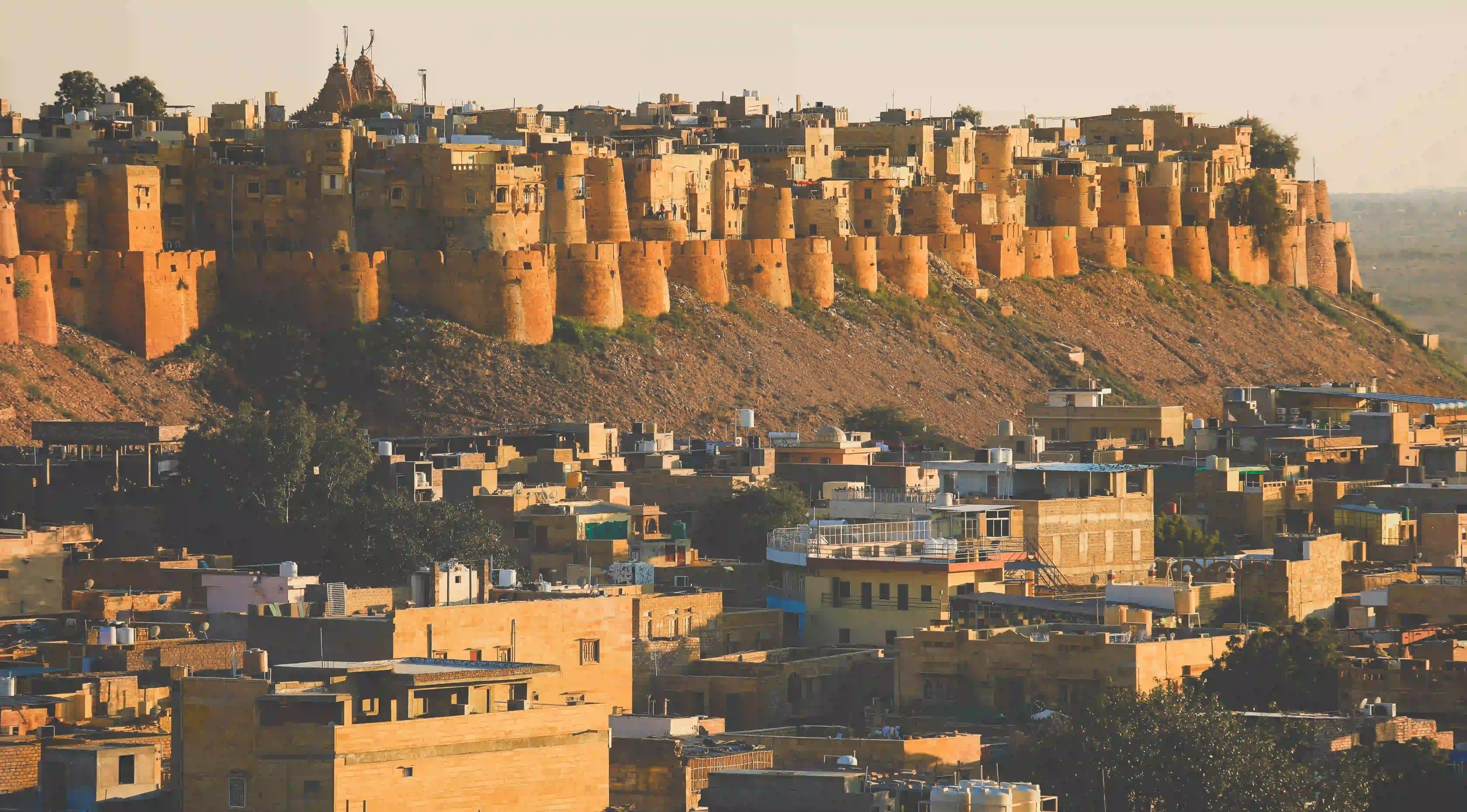
Jaisalmer offers a completely different experience. Known for its golden sandstone architecture, the city rises from the Thar Desert and is famous for its historic fort and intricately carved havelis.
Jaisalmer Fort is unusual because a living community still exists within the historic complex.
Travelers can explore narrow lanes, traditional homes, temples, shops, and local handicraft stores.
A desert excursion can add another dimension to the experience, with opportunities to see traditional desert landscapes and enjoy cultural performances.
Delhi is one of India's most important heritage destinations because its history spans centuries.
The city contains evidence of ancient settlements, Sultanate architecture, Mughal monuments, colonial buildings, and modern India.
Important heritage attractions include Red Fort, Humayun's Tomb, Qutub Minar, Jama Masjid, India Gate, and historic areas of Old Delhi.
Old Delhi is one of the best places to experience living heritage.
The area's narrow streets, historic buildings, traditional markets, mosques, temples, food stalls, and old shops provide a glimpse into the city's cultural history.
A guided walking tour can help visitors understand the stories behind the neighborhood.
Food is also an important part of the Old Delhi experience. Traditional dishes, sweets, snacks, and street foods provide an opportunity to discover Delhi's culinary heritage.
Humayun's Tomb is one of Delhi's most important Mughal monuments and is notable for its gardens, symmetrical architecture, domes, and decorative details.
The monument is historically significant because its architectural style influenced later Mughal architecture.
Its landscaped surroundings also make it a peaceful place to explore away from the busy streets of Delhi.
Qutub Minar is another major historical attraction. The tall stone minaret and surrounding archaeological complex demonstrate the architectural traditions of the Delhi Sultanate period.
Visitors interested in architecture should spend time examining the carved details, inscriptions, columns, and structures surrounding the main tower.
Agra is one of India's most important destinations for Mughal heritage.
The city is home to the Taj Mahal, Agra Fort, and several other historic monuments.
The Taj Mahal is perhaps the world's most recognizable symbol of India. Built by Mughal emperor Shah Jahan in memory of Mumtaz Mahal, the monument is celebrated for its white marble architecture, gardens, symmetry, and intricate craftsmanship.
Agra Fort offers a different perspective on Mughal history. The enormous complex contains defensive walls, royal residences, audience halls, mosques, and courtyards.
Together, the Taj Mahal and Agra Fort provide a strong introduction to Mughal architecture and imperial history.
For travelers interested in Culture and Heritage, Agra is an essential stop on a Golden Triangle itinerary.
Varanasi provides one of the most distinctive cultural experiences in India.
Located along the Ganges, the city is one of the country's most important spiritual centers. Its ghats, temples, narrow lanes, markets, ceremonies, and riverfront create an atmosphere unlike the historic cities of Rajasthan.
A sunrise boat ride on the Ganges is one of the most memorable experiences in Varanasi. From the water, visitors can observe the ghats and daily rituals along the river.
The evening Ganga Aarti is another important experience. Visitors can observe traditional ceremonies performed along the riverfront.
Varanasi is particularly valuable for travelers who want to experience living traditions rather than only visiting monuments.
Kerala offers a completely different cultural experience from northern India.
The state is famous for its backwaters, temples, traditional architecture, cuisine, Ayurveda, festivals, music, and performing arts.
One of Kerala's most distinctive cultural traditions is Kathakali, a classical dance-drama known for elaborate costumes, makeup, facial expressions, and storytelling.
Another traditional art form is Theyyam, particularly associated with northern Kerala.
Travelers can also explore traditional Kerala homes, temples, local markets, and village communities.
A houseboat journey through Kerala's backwaters provides an opportunity to observe rural life from the water.
Palm-lined waterways, villages, rice fields, fishing activities, and traditional homes create a peaceful cultural landscape.
Rather than simply treating a houseboat trip as a luxury experience, travelers can use it as an opportunity to understand how communities have historically lived around the waterways.
Tamil Nadu is one of India's best destinations for travelers interested in temple architecture and classical traditions.
The state contains enormous temple complexes decorated with detailed sculptures, colorful towers, and intricate carvings.
Cities such as Chennai, Madurai, Thanjavur, and Mahabalipuram provide different perspectives on South Indian history.
Madurai is famous for the Meenakshi Amman Temple, one of the most impressive temple complexes in South India.
Its towering gopurams are covered with detailed sculptures and colorful religious figures.
The temple remains an active place of worship, making it an example of living heritage rather than simply an archaeological attraction.
Mahabalipuram is known for its ancient rock-cut temples, monuments, and sculptures.
The site demonstrates the remarkable stone-carving traditions of southern India.
It is particularly interesting for travelers who enjoy architecture, archaeology, and ancient history.
Gujarat offers a fascinating combination of historic cities, stepwells, temples, textiles, handicrafts, and traditional communities.
The state is particularly famous for textile traditions, embroidery, weaving, and colorful handicrafts.
Historic structures such as stepwells demonstrate the importance of water management in traditional Indian architecture.
Travelers interested in crafts can visit artisan communities and discover how traditional textiles and decorative products are created.
Gujarat can therefore be an excellent destination for those interested in both tangible monuments and living craft traditions.
Madhya Pradesh contains some of India's most important heritage sites.
Khajuraho is particularly famous for its temples, detailed stone carvings, and medieval architecture.
The temples demonstrate the artistic achievements of the Chandela period and are among India's most remarkable historic monuments.
Orchha provides another fascinating experience, with palaces, temples, cenotaphs, and riverside scenery.
Travelers who want to explore India's heritage away from the busiest tourist routes may find Madhya Pradesh especially rewarding.
Punjab offers a cultural experience centered around Sikh history, hospitality, cuisine, music, and religious traditions.
Amritsar is the state's most important heritage destination.
The Golden Temple is the spiritual center of Sikhism and one of India's most visually striking religious sites.
Visitors can observe the temple's architecture, the surrounding sacred pool, devotional music, and the community kitchen known as the langar.
The experience demonstrates the importance of service, equality, and community within Sikh traditions.
Amritsar can also be combined with visits to historic sites connected with India's modern history.
Odisha is another excellent destination for travelers interested in Indian temple architecture and classical traditions.
The Konark Sun Temple is one of the state's most famous heritage attractions. Its architecture and stone carvings demonstrate the artistic sophistication of medieval India.
Bhubaneswar is known for its historic temples, while Puri is an important pilgrimage destination.
Odisha's classical dance tradition, Odissi, adds another dimension to the state's cultural identity.
Visiting famous monuments is only one way to experience India's heritage.
Travelers can also explore:
These experiences allow visitors to understand how traditions continue to influence everyday life.
For example, watching an artisan create a traditional textile can provide more insight into local culture than simply purchasing the finished product.
First-time visitors who want a balanced introduction to India can consider a Golden Triangle itinerary covering Delhi, Agra, and Jaipur.
Delhi provides a mixture of Mughal, Sultanate, colonial, and modern heritage.
Agra focuses heavily on Mughal architecture, particularly the Taj Mahal and Agra Fort.
Jaipur introduces travelers to Rajput architecture, royal traditions, crafts, and colorful markets.
Adding Udaipur provides lakes and palace heritage, while Varanasi introduces spiritual traditions.
This combination allows travelers to experience several different aspects of Indian history without attempting to cover too much of the country.
The ideal season depends on the region.
For Delhi, Agra, Jaipur, and Rajasthan, October through March is generally comfortable for sightseeing.
Winter mornings can be cool, particularly in December and January, while daytime conditions are often pleasant.
Southern destinations such as Kerala and Tamil Nadu have different seasonal patterns, so travelers should check local weather conditions before planning.
Festivals can also add a special cultural dimension to your journey. However, festival periods can be busy, so accommodation and transportation should be arranged well in advance.
Cultural tourism is most rewarding when travelers respect local traditions.
Dress modestly when visiting religious sites, follow photography rules, remove footwear where required, and avoid disturbing ceremonies.
Always ask permission before photographing people, particularly during private or religious activities.
When visiting local communities, avoid treating cultural traditions as entertainment alone. Learn about their significance and interact respectfully.
Supporting local artisans and small businesses can also help preserve traditional crafts and cultural practices.
A 7- to 10-day itinerary is suitable for a first introduction to India's major northern heritage destinations.
A sample itinerary could include:
DayDestinationCultural HighlightsDay 1DelhiArrival and Old DelhiDay 2DelhiQutub Minar, Humayun's Tomb and historic sitesDay 3Delhi–AgraTaj Mahal and Agra FortDay 4Agra–JaipurTravel and Jaipur heritageDay 5JaipurAmber Fort and City PalaceDay 6JaipurHawa Mahal, Jantar Mantar and marketsDay 7Jaipur–UdaipurTravel and evening explorationDay 8UdaipurCity Palace and Lake PicholaDay 9UdaipurCultural experiences and relaxationDay 10DepartureEnd of cultural journey
Travelers with more time can add Varanasi, Rajasthan's other historic cities, or destinations in southern India.
Heritage tourism helps travelers understand the historical and cultural diversity of India while also supporting local economies.
Historic monuments require conservation, while traditional crafts and performing arts depend on communities continuing to practice them.
Responsible tourism can contribute to preserving these traditions by creating demand for local guides, artisans, heritage hotels, restaurants, cultural performers, and regional products.
Travelers therefore have an opportunity to enjoy India's heritage while contributing positively to the communities that preserve it.
India offers extraordinary opportunities for travelers who want to discover history, architecture, traditions, food, art, religion, and local lifestyles.
Rajasthan is ideal for royal heritage, Delhi and Agra showcase India's Mughal and colonial history, Varanasi provides an experience of living spirituality, Kerala offers traditional performing arts and backwater culture, while Tamil Nadu is famous for its magnificent temples.
For first-time visitors, the Golden Triangle of Delhi, Agra, and Jaipur is one of the easiest ways to experience several important aspects of India's heritage in a single journey. Adding Udaipur, Varanasi, or another destination can create a deeper cultural experience.
The best Culture and Heritage journey is not simply about visiting the largest number of monuments. It is about understanding the stories behind them, tasting regional food, meeting local people, observing traditional crafts, and experiencing the living traditions that continue to shape India today.
Whether you are fascinated by ancient temples, Mughal architecture, Rajput palaces, spiritual traditions, traditional crafts, or regional cuisine, India provides countless opportunities for discovery. With thoughtful planning and respectful travel, a cultural journey through India can become one of the most meaningful experiences of a lifetime.
Rajasthan, Delhi, Agra, Varanasi, Kerala, Tamil Nadu, Punjab, Gujarat, and Madhya Pradesh are excellent destinations for experiencing India's diverse culture and heritage.
Jaipur, Udaipur, and Jodhpur are among the best cities for experiencing Rajasthan's royal heritage. Each offers impressive forts, palaces, traditional markets, and cultural experiences.
Yes. Delhi, Agra, and Jaipur provide an excellent introduction to India's Mughal, Rajput, colonial, and modern cultural heritage. The route is also convenient for first-time visitors.
Varanasi is one of the country's most important spiritual destinations. Amritsar, Haridwar, Rishikesh, and several cities in Tamil Nadu also offer significant religious and cultural experiences.
Seven to ten days are suitable for a first cultural journey covering Delhi, Agra, Jaipur, and potentially Udaipur. Two weeks or longer allows travelers to explore additional regions and experience India's cultural diversity at a slower pace.


