
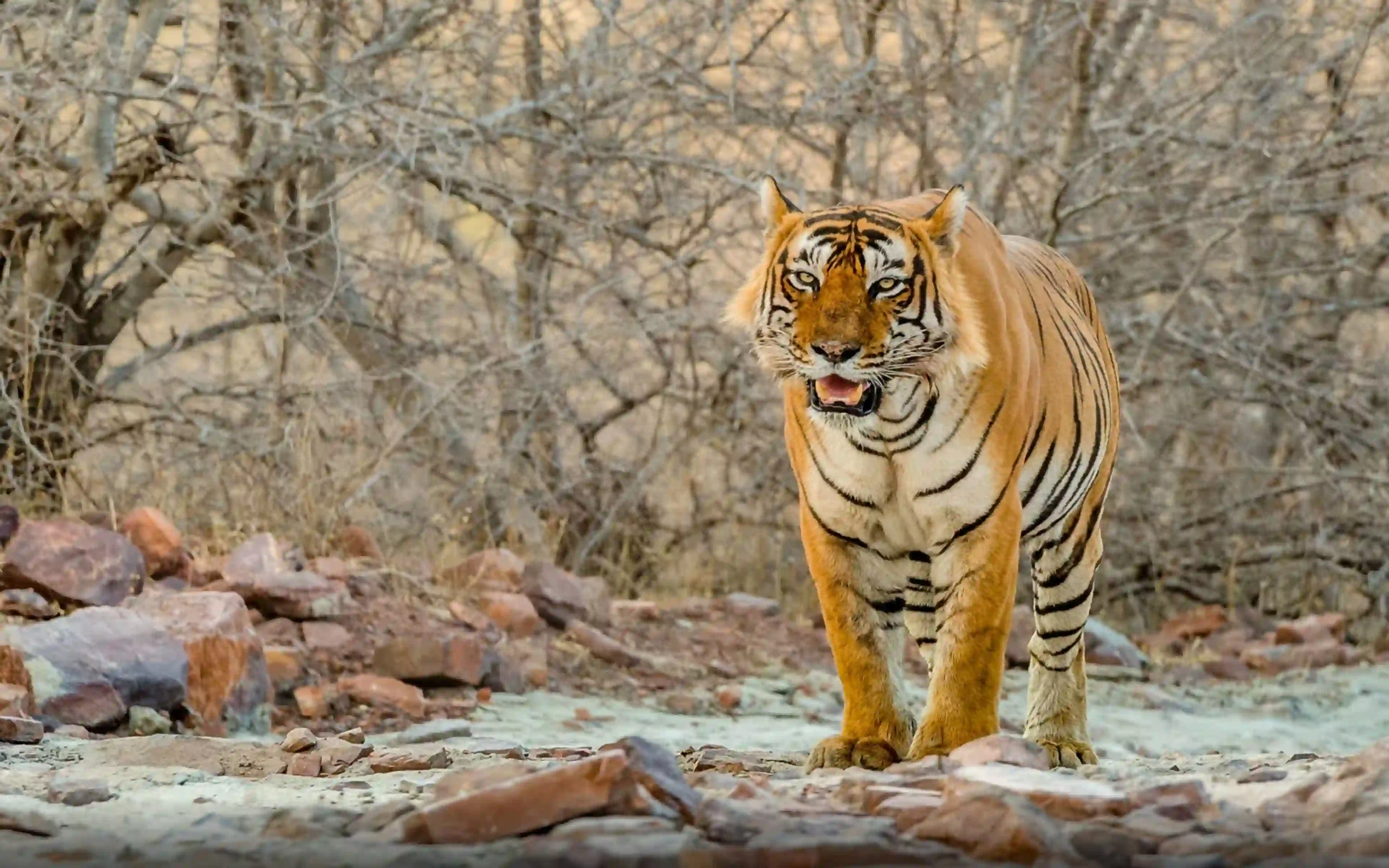
If you're planning a wildlife adventure in India, one of the first questions that comes to mind is, "When is the best time to visit Ranthambore National Park?" The answer depends on what kind of experience you're looking for. Whether your dream is to spot the majestic Bengal tiger, capture breathtaking wildlife photographs, enjoy birdwatching, or simply immerse yourself in the beauty of nature, choosing the right season can make all the difference.
Located in the Sawai Madhopur district of Rajasthan, Ranthambore National Park is one of India's most famous wildlife reserves and among the best places in the world to observe Bengal tigers in their natural habitat. Covering approximately 1,334 square kilometers, including the surrounding tiger reserve, the park is home to a rich variety of flora and fauna. Besides tigers, visitors can encounter leopards, sloth bears, striped hyenas, marsh crocodiles, jackals, nilgai, sambar deer, spotted deer, wild boars, langurs, and more than 300 species of birds.
Every year, thousands of wildlife enthusiasts, photographers, families, and international travelers visit the park to experience thrilling jungle safaris. However, wildlife sightings and weather conditions vary throughout the year. Understanding the seasonal differences helps travelers plan a memorable and rewarding journey.
Nestled between the Aravalli and Vindhya hill ranges, Ranthambore offers a unique combination of dense forests, open grasslands, rocky cliffs, and tranquil lakes. This diverse landscape creates the perfect habitat for numerous wildlife species while offering spectacular scenery for visitors.
One of the biggest reasons travelers choose Ranthambore National Park is the excellent chance of spotting Bengal tigers during both morning and afternoon safaris. Unlike many other wildlife reserves where dense vegetation hides animals, Ranthambore's open terrain often allows visitors to observe wildlife more easily.
The park is also famous for the historic Ranthambore Fort, a UNESCO World Heritage Site located inside the reserve. Ancient temples, lakes, and centuries-old ruins scattered throughout the forest add a unique historical charm to every safari.
For most travelers, the period between October and March is considered the best time to visit the park. During these months, temperatures remain pleasant, ranging from around 10°C to 30°C, making safaris much more comfortable.
After the monsoon season, the forest becomes lush and green, creating beautiful landscapes filled with fresh vegetation and scenic water bodies. Wildlife remains active throughout the day, and visitors can comfortably enjoy both morning and evening safari rides.
This season is particularly popular among international tourists and families because the cooler weather allows for extended sightseeing. Besides enjoying safaris in Ranthambore National Park, visitors often combine their trip with nearby attractions such as Ranthambore Fort, Surwal Lake, and local villages that showcase Rajasthan's vibrant culture.
Birdwatchers also find this season especially rewarding, as migratory birds begin arriving from various parts of the world. Lakes and wetlands within the park become home to kingfishers, painted storks, pelicans, flamingos, eagles, owls, and many other species, creating excellent opportunities for wildlife photography.
Although temperatures between April and June can exceed 40°C (104°F), many experienced wildlife photographers consider this the ideal time for tiger sightings.
As water sources begin to dry up, animals gather around the remaining lakes and waterholes. Tigers frequently visit these locations to drink and cool themselves, making them easier to spot during safari drives.
The sparse vegetation also improves visibility, allowing guides and visitors to observe wildlife from greater distances. While the weather can be challenging, early morning safaris provide relatively cooler conditions and often produce unforgettable encounters with tigers.
Travelers visiting Ranthambore National Park during summer should wear lightweight cotton clothing, carry hats, sunglasses, sunscreen, and plenty of drinking water. Choosing accommodations with air conditioning also helps ensure a comfortable stay after returning from safaris.
The monsoon season, from July through September, transforms the landscape into a lush green paradise. Rainfall rejuvenates forests, fills lakes, and creates beautiful scenery throughout the reserve.
During this period, some safari zones may remain closed for conservation and visitor safety, while selected buffer zones often remain open depending on weather conditions and park regulations.
Although tiger sightings become less predictable due to dense vegetation, nature lovers appreciate the peaceful atmosphere, fresh landscapes, and significantly fewer tourists. Photography enthusiasts often capture dramatic cloud formations, vibrant greenery, and colorful wildflowers rarely seen during other seasons.
Travelers considering a monsoon visit should always check the latest park opening schedules before making reservations.
The highlight of every visit is undoubtedly the jungle safari.
Visitors can choose between open Canter vehicles or smaller Jeep safaris, each accompanied by trained naturalists and experienced drivers familiar with animal movements.
Morning safaris begin shortly after sunrise when wildlife remains highly active, while afternoon safaris continue until sunset, offering another excellent opportunity for sightings.
Every safari is different. Some visitors encounter tigers within minutes, while others enjoy watching leopards, crocodiles, sloth bears, or large herds of deer moving gracefully through the forest.
One of the greatest attractions of Ranthambore National Park is the excitement of unpredictability. Every journey into the jungle offers new discoveries and unforgettable memories.
While Bengal tigers receive most of the attention, the park's incredible biodiversity deserves equal appreciation.
Wildlife commonly seen includes:
Bird enthusiasts can observe more than 300 species throughout the reserve, making the destination equally attractive for ornithologists and photographers.
The park is divided into several safari zones, each offering unique landscapes and wildlife habitats.
Zones 1 to 5 have traditionally been regarded as the best areas for tiger sightings because they contain numerous lakes, dense forests, and historic ruins where tigers are frequently observed.
Newer zones also provide rewarding wildlife experiences while often receiving fewer visitors. Since safari permits are allocated according to availability, every zone offers opportunities to encounter remarkable wildlife.
Experienced guides continuously monitor animal movements and communicate with other vehicles, improving visitors' chances of successful sightings.
Few wildlife destinations in India offer photographic opportunities comparable to Ranthambore.
Morning sunlight filtering through ancient banyan trees, tigers reflected in calm lakes, colorful birds perched on branches, and centuries-old ruins hidden within forests create stunning compositions.
Photographers should bring telephoto lenses, extra memory cards, spare batteries, and lens cleaning equipment to maximize every safari.
Patience is equally important. Some of the most memorable wildlife photographs result from quietly observing nature rather than constantly searching for dramatic action.
One of the greatest advantages of visiting Rajasthan is the ease of combining Ranthambore with other famous tourist destinations.
Many travelers include Ranthambore National Park within the popular Golden Triangle itinerary, visiting Delhi, Agra, Jaipur, and Ranthambore during a single journey.
This combination allows visitors to experience Mughal architecture, royal palaces, vibrant markets, and thrilling tiger safaris within one well-balanced vacation.
Others extend their journey to Udaipur, Jodhpur, Pushkar, or Mount Abu for an even deeper exploration of Rajasthan's cultural and natural diversity.
Planning ahead significantly enhances the overall experience.
Book safari permits several weeks or even months in advance, especially between October and March, when demand is highest.
Wear clothing in neutral colors such as green, brown, or beige to blend naturally with the surroundings. Bright colors should be avoided because they may disturb wildlife.
Carry binoculars, cameras, hats, sunglasses, sunscreen, insect repellent, and reusable water bottles. Always follow instructions from guides and maintain silence during wildlife encounters to avoid disturbing animals.
Choosing accommodations near the park entrance reduces travel time before early morning safaris and allows visitors to maximize their wildlife experience.
Few places successfully combine wildlife conservation, historical heritage, breathtaking landscapes, and thrilling adventure quite like Ranthambore.
The opportunity to observe one of the world's most magnificent predators in its natural habitat creates unforgettable memories for visitors of every age.
Beyond tiger sightings, the park offers peaceful lakes, ancient temples, dramatic ruins, vibrant birdlife, and beautiful forests that appeal equally to photographers, historians, families, and adventure travelers.
Whether you're visiting India for the first time or returning to explore more of Rajasthan, Ranthambore National Park deserves a place on your itinerary.
The best time to visit Ranthambore National Park depends on your travel priorities. If you prefer pleasant weather and lush scenery, October through March offers the most comfortable conditions. If your primary goal is maximizing tiger sightings, the hot summer months from April to June provide excellent opportunities as wildlife gathers around shrinking water sources. Nature enthusiasts seeking peaceful surroundings and vibrant green landscapes may enjoy the monsoon season, provided they check safari availability beforehand.
A visit to Ranthambore National Park is much more than a safari. It is an opportunity to witness India's incredible biodiversity, admire centuries-old heritage, experience Rajasthan's warm hospitality, and create memories that last a lifetime. Whether you are a wildlife enthusiast, photographer, family traveler, or adventure seeker, this remarkable destination promises an unforgettable journey into the heart of India's wilderness.
October to March offers the most pleasant weather, while April and May are ideal for tiger sightings.
Tiger sightings are never guaranteed, but Ranthambore has one of the highest chances of seeing Bengal tigers in the wild.
Booking at least two to three safaris increases your chances of spotting tigers and other wildlife.
Yes. Families, couples, solo travelers, and wildlife photographers all enjoy visiting the park thanks to its excellent safari infrastructure.
Absolutely. Many travelers combine Delhi, Agra, Jaipur, and Ranthambore into one itinerary, making it one of India's most popular travel circuits.


