
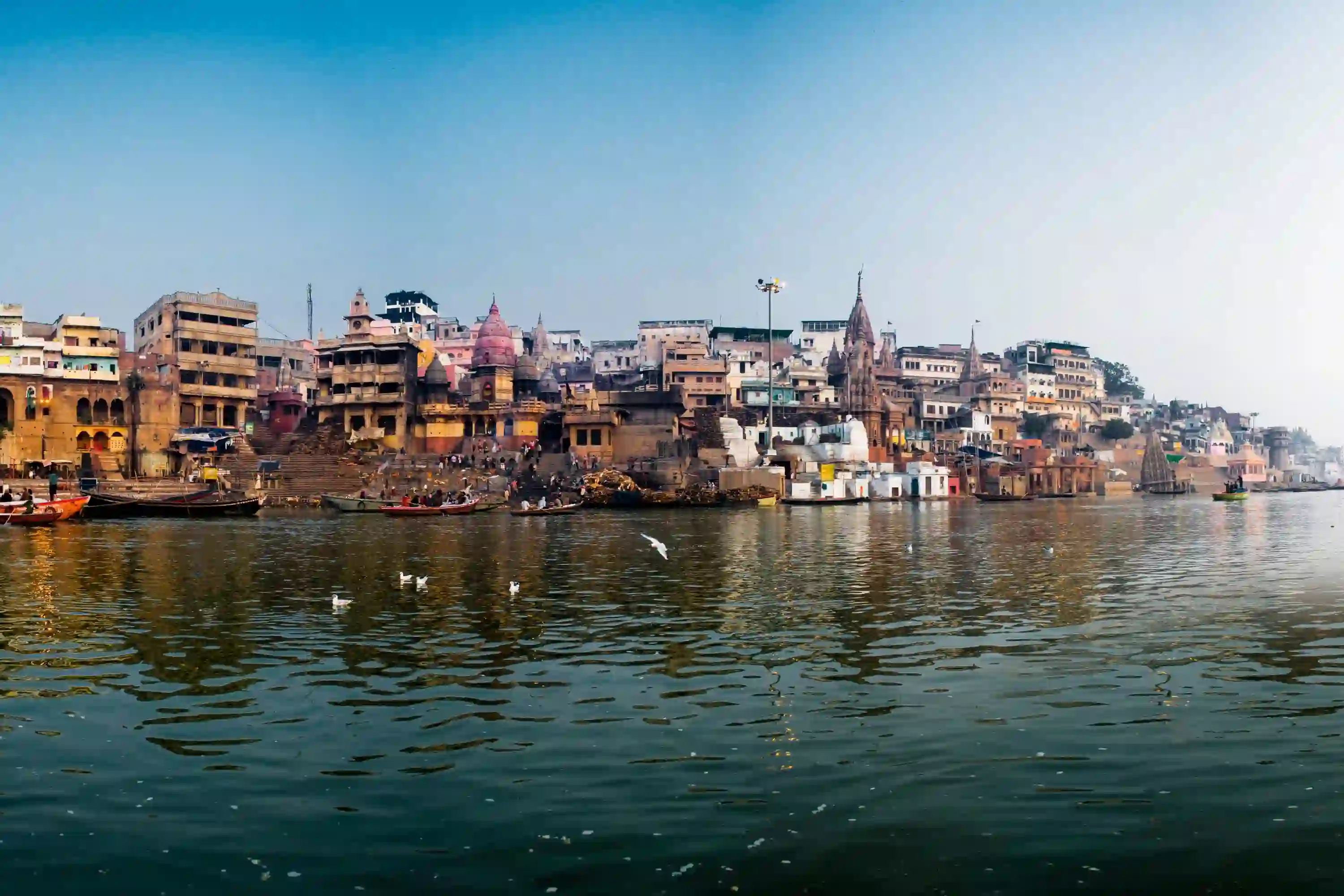
Varanasi, one of the oldest continuously inhabited cities in the world, offers an unforgettable combination of spirituality, history, culture, and everyday life. Situated along the sacred River Ganges in Uttar Pradesh, this fascinating destination attracts pilgrims, international travelers, photographers, and history lovers throughout the year. From watching the sunrise over the river to wandering through ancient lanes filled with temples, traditional shops, and delicious street food, every experience reveals another side of the city. But what if you have only one day to discover its charm? With a well-planned itinerary, you can experience many of Varanasi's most famous attractions without turning your visit into a race against the clock.
The best way to explore Varanasi in One Day is to begin with an early-morning boat ride on the Ganges, visit the historic ghats and important temples, enjoy authentic Banarasi cuisine, explore the city's cultural landmarks, and finish with the mesmerizing Ganga Aarti in the evening. By organizing your journey around nearby attractions and allowing extra time for traffic and crowds, you can experience the city's spiritual atmosphere and local lifestyle in a single memorable day.
Start your day early, ideally around 5:00 AM, when Varanasi begins to awaken and the first rays of sunlight illuminate the riverfront. A sunrise boat ride on the Ganges is one of the most rewarding experiences you can enjoy because it offers a unique perspective on the city's historic ghats, temples, and daily rituals. As your boat glides across the water, you may see pilgrims performing prayers, priests conducting religious ceremonies, and residents gathering along the riverbank to welcome the morning. The combination of golden sunlight, ancient architecture, and the sound of temple bells creates an atmosphere that feels both peaceful and deeply moving.
You can hire a traditional wooden boat from recognized boarding points near popular ghats, including Dashashwamedh Ghat and Assi Ghat. Private boats provide flexibility for photography and sightseeing, while shared boats may be more economical. Before boarding, agree on the duration, route, and total price with the boat operator. A ride lasting approximately 45–60 minutes is usually a practical choice for a one-day visit. Carry a light jacket during cooler months, keep your belongings secure, and follow local safety instructions. This peaceful beginning gives you a memorable introduction to Varanasi before the streets become crowded.
Varanasi has dozens of riverfront ghats, each with its own history, atmosphere, and religious significance. These broad stone steps connect the city to the Ganges and serve as places for prayer, bathing, meditation, community gatherings, and traditional ceremonies. Walking along the river allows you to appreciate the contrast between the city's longstanding religious practices and the everyday activities of its residents.
Dashashwamedh Ghat is among the most famous stops because of its central location and association with the evening Ganga Aarti. Assi Ghat offers a lively atmosphere, particularly in the morning, when visitors and locals gather for prayers, yoga, and tea. Manikarnika Ghat is an important Hindu cremation site, where funeral rites are performed according to longstanding traditions. Visitors should approach this area with sensitivity, avoid intrusive photography, and respect the privacy of grieving families.
Rather than attempting to visit every ghat, concentrate on a few significant locations and take time to observe the surroundings. You can stop for a cup of chai, watch the river traffic, or speak with a local guide about the stories behind the architecture. This slower approach makes your visit more meaningful and helps you understand why the ghats remain central to Varanasi's identity.
No first visit to Varanasi feels complete without exploring the revered Shri Kashi Vishwanath Temple, one of the most important Hindu temples dedicated to Lord Shiva. Located in the historic heart of the city, the temple attracts devotees who come to offer prayers and seek blessings. Its golden spires are among the most recognizable features of Varanasi, while its religious importance makes it a major destination for pilgrims from across India and beyond.
Try to visit during the morning, after checking the current temple timings and expected crowd conditions. The surrounding Kashi Vishwanath Corridor provides a more organized pedestrian route between the temple complex and the Ganges, making it easier to appreciate the relationship between the sacred river and the city's religious heritage. Since security procedures and queues can change, allow additional time rather than assuming you can enter immediately.
Before visiting, review the temple's current entry rules, permitted belongings, and any available darshan arrangements. Carry only essential items, follow the instructions of security personnel, and dress respectfully. If you are traveling during a festival or a major religious occasion, expect considerably larger crowds.
The temple visit is not simply another sightseeing stop. For many people, it is the spiritual center of their journey, while for others, it offers insight into the traditions that have shaped Varanasi for centuries. Even if you are not religious, learning about its historical significance can make your experience more rewarding.
Once you have visited the temple, explore the surrounding old-city lanes. This is where Varanasi's personality becomes especially vivid. Narrow passageways wind between old houses, small shrines, flower sellers, sweet shops, and businesses that have served local communities for generations. You might hear devotional music coming from a nearby temple, see shopkeepers preparing their storefronts, or notice artisans displaying traditional textiles and religious souvenirs. The streets can feel confusing at first, but that is also part of their charm.
Walking is often the easiest way to explore this area because many lanes are too narrow for cars. However, be prepared for uneven surfaces, motorbikes, pedestrians, and occasional congestion. A knowledgeable local guide can help you navigate the maze while explaining the city's architecture, customs, and historical landmarks. If you prefer exploring independently, save your accommodation location offline and identify a clear meeting point in case your group gets separated.
Varanasi is particularly famous for its Banarasi silk sarees, which are admired for their intricate weaving, rich colors, and decorative designs. If you plan to shop, compare quality and prices at more than one store and ask about the fabric composition before purchasing. You can also browse brass items, handcrafted souvenirs, religious objects, and locally made textiles.
Avoid trying to cover too much ground in a short period. Choose a few lanes and markets near your temple visit, enjoy the atmosphere, and leave enough time for lunch. A relaxed walk through the old city often reveals more about local life than rushing between distant attractions.
Food is an essential part of the Varanasi experience, and a one-day itinerary should include time to discover its distinctive flavors. The city is known for its traditional breakfasts, spicy snacks, sweets, and famous Banarasi paan. After exploring the old lanes, stop at a well-established local eatery and try kachori sabzi, a popular breakfast featuring crisp fried bread served with a flavorful vegetable curry. Depending on the season and the vendor, you may also find jalebi, lassi, and other regional specialties.
For lunch or an afternoon snack, consider Banarasi tamatar chaat, a tangy preparation made with tomatoes, spices, and other ingredients that vary by vendor. Its combination of sweetness, heat, and acidity makes it a memorable introduction to the city's street-food culture. Travelers who enjoy desserts can look for malaiyyo during the cooler months, when this light, frothy milk-based specialty is traditionally available. Finish your culinary exploration with Banarasi paan if you are curious about the city's well-known betel-leaf tradition.
Food safety matters, especially when you are traveling on a tight schedule. Choose vendors with a steady stream of customers, freshly prepared food, and clean handling practices. Drink sealed or otherwise reliably treated water, and be cautious with ice or uncooked ingredients if you have a sensitive stomach.
You do not need to visit every famous food stall to appreciate local cuisine. Two or three carefully chosen stops can introduce you to the flavors of the city while leaving enough time for sightseeing. Eating locally also gives you an opportunity to observe everyday conversations and traditions that make Varanasi unique.
If you have several hours available and are interested in history, consider visiting Sarnath, an important Buddhist pilgrimage site located approximately 10 kilometers from central Varanasi, depending on your starting point and route. Sarnath is traditionally recognized as the place where Gautama Buddha delivered his first sermon after attaining enlightenment. Its historical significance makes it an interesting complement to Varanasi's Hindu religious heritage.
The main attraction is Dhamek Stupa, an imposing cylindrical structure associated with the site's Buddhist history. The surrounding archaeological area contains the remains of ancient monasteries and other structures that reflect Sarnath's importance as a center of Buddhist learning and pilgrimage. The Sarnath Archaeological Museum, when open, offers an opportunity to see important sculptures and historical artifacts connected with the region. Check current opening hours, ticket arrangements, and any restrictions before planning your visit.
Sarnath is quieter than the crowded streets around Varanasi's main temples, making it a welcome change of pace. Walking through its gardens and archaeological remains can help you appreciate the region's diverse religious traditions and long history of cultural exchange.
However, Sarnath is not essential if you only have one day and want to focus on the city's riverfront, temples, and evening ceremony. Travel time can vary significantly with traffic, and visiting the site properly requires time to explore. If Sarnath is a priority, plan your day around it and keep the rest of your sightseeing itinerary shorter.
The evening Ganga Aarti is one of the most memorable experiences in Varanasi and an ideal way to finish your sightseeing day. Held at Dashashwamedh Ghat, this devotional ceremony honors the River Ganges through prayers, rhythmic movements, incense, bells, and large illuminated lamps. As evening approaches, the riverfront fills with visitors and worshippers, creating a powerful atmosphere of devotion and celebration. The ceremony's coordinated rituals and the reflections of the lamps on the water make it especially striking after a day spent exploring the city's historic streets.
Arrive well before the scheduled start to secure a suitable viewing position, particularly during weekends, public holidays, and major festivals. The exact ceremony schedule can vary with the season and local arrangements, so confirm the current timing on the day of your visit. You can watch from the ghat steps or consider a boat-based view where permitted and available. If you choose a boat, agree on the price beforehand and follow all safety instructions.
Remember that the Aarti is a religious ceremony rather than simply a performance for tourists. Keep your phone and belongings secure, avoid obstructing worshippers, and ask permission before photographing individuals at close range. The crowds can become dense, so identify a meeting point if you are traveling with family or friends.
For many visitors, the Ganga Aarti becomes the defining memory of their trip. The sound of devotional chants, the glow of the lamps, and the shared sense of reverence capture something essential about Varanasi. Planning your day around this evening experience ensures that you finish with one of the city's most distinctive traditions.
The easiest way to organize Varanasi in One Day is to group nearby attractions together and reserve the evening for the Ganga Aarti. The following itinerary provides a useful starting point, although you should adjust it according to temple queues, weather, personal interests, and the time of year.
Time
Activity
Suggested duration
5:00 AM–6:00 AM
Sunrise boat ride on the Ganges
1 hour
6:00 AM–7:30 AM
Walk around Assi Ghat and nearby riverfront areas
1.5 hours
7:30 AM–8:30 AM
Traditional Banarasi breakfast
1 hour
8:30 AM–11:00 AM
Visit Shri Kashi Vishwanath Temple and the corridor
2.5 hours
11:00 AM–12:30 PM
Explore the old-city lanes and local markets
1.5 hours
12:30 PM–1:30 PM
Lunch at a local restaurant
1 hour
1:30 PM–3:30 PM
Relax, visit a nearby cultural attraction, or explore more ghats
2 hours
3:30 PM–5:00 PM
Enjoy local snacks and return toward Dashashwamedh Ghat
1.5 hours
Before sunset
Find a viewing position for the Ganga Aarti
Allow extra time
Evening
Watch the Ganga Aarti and enjoy the riverfront atmosphere
Depends on schedule
Treat these times as estimates rather than fixed appointments. The temple visit may take longer during busy periods, and walking through the old city can be slower than expected. If you want to include Sarnath, consider shortening your market exploration or removing other optional stops rather than squeezing everything into the same schedule.
A good itinerary should give you enough structure to navigate the day while leaving room for unexpected discoveries. Sometimes the most memorable moments happen when you pause for chai, speak with a local shopkeeper, or watch the river from a quiet stretch of steps.
Varanasi's transportation options range from walking and cycle rickshaws to auto-rickshaws, taxis, and app-based rides where available. The best choice depends on the distance between attractions, your budget, and how comfortable you are navigating busy streets. For the old city and riverside ghats, walking is often the most practical option because many lanes are narrow, crowded, or inaccessible to larger vehicles.
For longer journeys, such as traveling between the city center and Sarnath, an auto-rickshaw or taxi can save time. Confirm the fare before starting a trip if the vehicle is not metered, or check the price through a booking service when available. During peak hours and religious festivals, traffic congestion can significantly affect journey times, so avoid planning important activities with very tight connections.
If you arrive at Lal Bahadur Shastri International Airport or Varanasi Junction railway station, arrange transport to your accommodation before beginning your sightseeing day. Staying near the ghats or in a well-connected area can reduce the amount of time spent traveling between attractions.
You should also consider your physical comfort. The combination of walking, uneven steps, heat, and crowds can be tiring, particularly during warmer months. Wear comfortable shoes, carry drinking water, and take short breaks whenever needed. Efficient transportation is not about visiting the maximum number of places; it is about spending your limited time enjoying the city rather than getting stuck in traffic.
The best time to visit Varanasi generally depends on your tolerance for heat and humidity. October through March is often preferred by travelers because temperatures are usually more comfortable for walking, boat rides, and outdoor sightseeing. Winter mornings can be chilly or foggy, however, and reduced visibility may affect the sunrise experience. Carry layers of clothing if you are visiting during December or January.
April through June can bring intense summer heat, making midday exploration uncomfortable. If you visit during these months, schedule outdoor activities for early morning and evening, take breaks in shaded places, and drink water regularly. The monsoon season, generally from June through September, can bring rain and higher river levels, which may affect boat services and riverside access. Check local conditions before heading out.
Festivals can make Varanasi particularly lively, but they also bring heavier crowds, greater demand for accommodation, and possible traffic restrictions. Dev Deepawali, Maha Shivaratri, and other religious occasions may offer special cultural experiences, depending on the dates and arrangements for that year. If you plan to visit during a major festival, book accommodation early and allow extra time for transportation.
Regardless of the season, begin your day early and check the latest information about temple entry, boat availability, and evening ceremony timings. A little preparation helps you enjoy Varanasi more comfortably and reduces the likelihood of missing the attractions that matter most to you.
A successful one-day trip requires a balance between preparation and flexibility. Wear modest, comfortable clothing when visiting religious sites, and follow posted rules concerning photography, security checks, footwear, and permitted belongings. Temple entry procedures can change, so check current information rather than relying entirely on old travel advice. If you are unfamiliar with the city's history or customs, hiring a reputable local guide can make your visit more informative and easier to navigate.
Keep your phone charged and download an offline map before entering the narrow lanes of the old city. Carry some cash for small purchases, while keeping your valuables secure in crowded places. If you plan to take photographs, remember that some religious areas have restrictions and that private moments, especially funeral rites, deserve respect. Always ask permission before photographing local residents at close range.
Food and hydration are equally important. Choose clean eateries, drink safe water, and avoid overloading your schedule with too many meals or stops. If you are traveling with older adults or children, allow more time for walking and rest. The ghats contain many steps, and some areas may be challenging for visitors with limited mobility.
Most importantly, do not measure your visit by the number of attractions you manage to check off a list. Varanasi is a city best appreciated through a combination of famous landmarks and small, spontaneous moments. A peaceful view of the river, a conversation with a local artisan, or the sound of evening prayers can become just as memorable as the city's best-known sights.
Exploring Varanasi in One Day is entirely possible when you focus on the experiences that best represent the city's spiritual heritage, history, and everyday culture. Begin with a sunrise boat ride on the Ganges, walk along the famous ghats, visit Shri Kashi Vishwanath Temple, explore the old-city lanes, and sample traditional Banarasi food. If your schedule allows, add a visit to Sarnath for a deeper understanding of the region's Buddhist history. Finally, reserve your evening for the Ganga Aarti at Dashashwamedh Ghat, where the devotional atmosphere provides a memorable ending to your journey.
The secret to enjoying Varanasi is not trying to see absolutely everything. Instead, plan your route thoughtfully, allow extra time for crowds and traffic, respect local customs, and stay open to unexpected discoveries. With the right balance of sightseeing and relaxation, even a short visit can introduce you to the city's remarkable character and leave you eager to return.
Yes, one day is enough to experience several of Varanasi's major highlights, including a sunrise boat ride, the ghats, Shri Kashi Vishwanath Temple, local food, and the evening Ganga Aarti. However, you will need additional time if you want to explore Sarnath thoroughly, visit several museums, or discover the city at a slower pace.
Starting around 5:00 AM is a good option, particularly if you want to experience the sunrise boat ride and observe morning rituals along the Ganges. Early starts also help you avoid some of the midday heat and leave more time for temple visits and the old-city lanes.
The Ganga Aarti is commonly held at Dashashwamedh Ghat in the evening. Arrive early to find a suitable viewing position, especially during weekends and festivals. Check the current ceremony schedule locally because timings and arrangements can vary. Follow instructions from event staff and respect worshippers throughout the ceremony.
Popular choices include kachori sabzi, tamatar chaat, jalebi, lassi, seasonal malaiyyo, and Banarasi paan. You can sample several specialties by visiting reputable local eateries and street-food vendors. Choose freshly prepared food and drink safe water to reduce the risk of travel-related stomach problems.
It is possible, but your schedule will be tight. Sarnath is outside the main riverfront area, so transportation takes time, and the archaeological site deserves a few hours of exploration. If Sarnath is important to you, prioritize the attractions you most want to see and allow flexibility for traffic, queues, and opening hours.


