
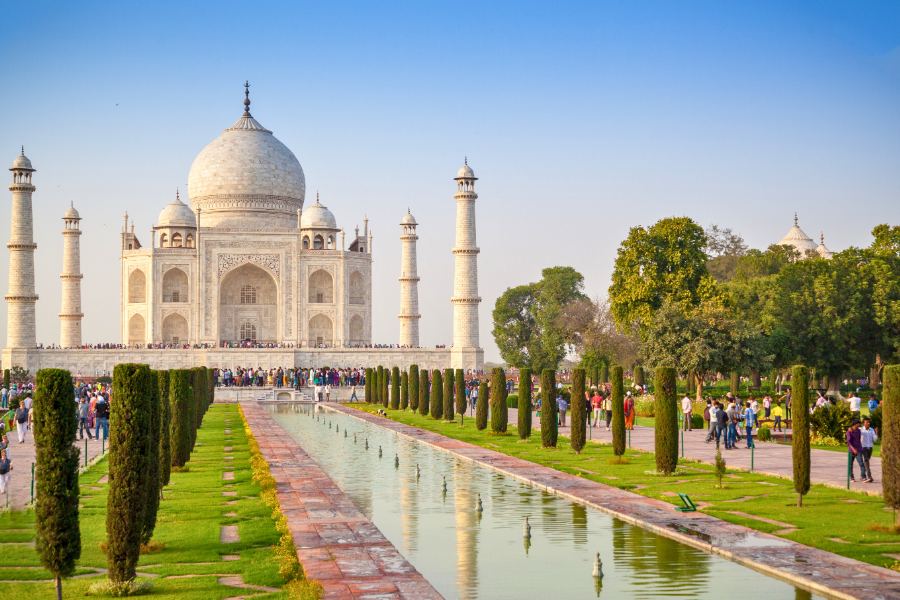
The Taj Mahal is one of the world's most beautiful monuments, attracting travelers from across the globe with its breathtaking white marble, elegant Mughal architecture, and romantic history. Whether you're planning your first trip to India or returning to discover more of its cultural heritage, choosing the right time for your visit can make a remarkable difference to your experience. Weather, crowd levels, photography opportunities, and travel schedules all influence how enjoyable your day will be.
So, when should you plan your trip? Generally, October to March is one of the best periods to visit the Taj Mahal because temperatures are often more comfortable for sightseeing. However, each season offers a different experience. Winter mornings can bring fog, summer afternoons can be extremely hot, and the monsoon season can create a humid atmosphere with occasional rainfall.
The best time also depends on what matters most to you. Do you want to capture stunning photographs in soft morning light? Would you rather explore the monument in pleasant weather? Or are you hoping to avoid the busiest tourist periods? This guide explains the best months, times of day, seasonal conditions, photography tips, and practical planning advice to help you make the most of your journey to Agra.
For most travelers, November, February, and early March are attractive months for exploring the Taj Mahal because daytime temperatures are generally more manageable than during the peak summer season. October and December can also be good choices, although weather conditions vary from year to year.
November often brings pleasant conditions for walking around the monument and its gardens. The days are usually more comfortable than the hot months, making it easier to explore the complex without frequent breaks. However, air quality and visibility can sometimes be affected by pollution and seasonal weather conditions across northern India.
February is another excellent option for travelers who want to enjoy outdoor sightseeing without intense summer heat. The weather is often suitable for spending several hours exploring the Taj Mahal, photographing its architectural details, and visiting nearby attractions such as Agra Fort.
March can also be enjoyable, particularly during the first part of the month, although temperatures gradually rise as spring progresses. If you're planning a trip during this period, an early morning visit can help you avoid the warmer hours later in the day.
December and January may offer cool temperatures, but winter fog can occasionally affect visibility, especially early in the morning. If seeing the Taj Mahal clearly is your priority, check the local forecast and remain flexible about your arrival time.
The time you arrive can influence everything from photography to comfort and crowd levels. Although the monument is beautiful throughout its opening hours, early morning and late afternoon are often especially appealing.
Early morning is a popular choice for travelers who want to experience the Taj Mahal in a peaceful atmosphere and enjoy the softer light around sunrise. Arriving soon after the monument opens can help you make the most of the cooler part of the day, particularly during warmer months.
The changing light creates subtle differences in the appearance of the white marble. Depending on the weather and the position of the sun, the monument may appear slightly pink, cream, or golden. These changes can create excellent opportunities for photography.
Early visits can also be practical for travelers taking a day trip from Delhi. By reaching Agra in the morning, you may have time to explore the Taj Mahal, visit Agra Fort, enjoy lunch, and return to Delhi later in the day.
However, an early arrival does not guarantee an empty monument. Tourist groups, weekends, and holiday periods can still attract crowds, while winter fog may reduce visibility. Check the official opening schedule before arranging your transportation.
Late afternoon can be another rewarding time to explore the monument, especially if you enjoy photography and prefer avoiding the earliest start of the day. As the sun moves lower, the light can become softer and more flattering for capturing architectural details.
This period may be particularly comfortable during the cooler months. You can explore the gardens, admire the marble craftsmanship, and observe how the monument's appearance changes with the light.
The main consideration is timing. You should arrive with enough time to complete security checks and explore before the official closing time. Avoid scheduling your arrival too close to closing, particularly if you are traveling from another part of Agra.
Both periods have advantages, but they offer different experiences. Sunrise can provide a fresh, calm atmosphere and cooler temperatures, while late afternoon offers softer light and may fit more conveniently into some itineraries.
The Taj Mahal's main visitor entry is generally available during daylight hours, from sunrise to sunset, subject to official rules and conditions. It is not normally open for regular public sightseeing after dark. Special full-moon night viewing is offered under specific rules and dates, so it should be treated as a separate experience rather than an ordinary sunset visit.
If photography is your main priority, consider the season, forecast, and direction of sunlight instead of relying on a particular time alone.
Agra experiences distinct seasonal changes, and each season affects sightseeing in different ways. Understanding these conditions will help you choose dates that match your comfort level and travel plans.
Winter is one of the most popular seasons for visiting the Taj Mahal. Daytime weather is often pleasant enough for walking around the gardens and monument complex, and cooler conditions can make a longer sightseeing visit more comfortable.
November and February are particularly attractive to many travelers. December and January can also be enjoyable, but mornings may be very cold, and fog can sometimes reduce visibility. If you are traveling during winter, consider arriving after checking the weather and visibility forecast.
Winter is also a busy tourism period in Agra. Weekends, public holidays, and school holidays can attract larger crowds, so booking transportation in advance and arriving early can help you organize your day more effectively.
Carry a light jacket or warm layers for early mornings, particularly if you are traveling from Delhi. Temperatures can rise during the day, so clothing that can be adjusted easily is often a sensible choice.
Summer in Agra can be intensely hot, particularly during May and June. Temperatures can climb well above comfortable walking conditions, and spending several hours outdoors may become tiring.
If summer is the only time you can travel, plan your visit for the earliest practical opening hours. Wear lightweight clothing, carry water in accordance with monument entry rules, and use sun protection. Avoid unnecessary walking during the hottest part of the afternoon.
The advantage of visiting during a quieter period is that some dates may feel less crowded than the peak winter season. However, crowd levels vary, and heat should be a more important consideration than assuming summer will always be quiet.
Travelers with young children, older family members, or medical conditions that make heat difficult to tolerate should consider a shorter itinerary and take regular breaks. A comfortable pace is more important than trying to see every attraction in a single day.
The monsoon season brings rainfall and increased humidity to Agra. The weather can feel muggy, and showers may interrupt outdoor sightseeing, but the gardens and surrounding landscape can appear greener during this period.
Rain does not necessarily prevent a visit, although conditions can change quickly. Check the forecast before leaving your hotel and carry a compact umbrella or raincoat if appropriate. Comfortable footwear with a good grip can also be helpful on wet surfaces.
Cloud cover creates a different photographic atmosphere from bright sunshine. Some visitors appreciate the softer light and dramatic skies, while others prefer clearer weather for distant views and detailed photographs.
If you travel during the monsoon, keep your schedule flexible. Allow extra time for local transportation and consider indoor attractions or restaurants as alternatives if heavy rain affects your plans.
March and early April can offer pleasant mornings before temperatures rise significantly. September and October may also provide opportunities for sightseeing as the monsoon season gradually changes, although humidity and rainfall can vary.
These transitional periods can work well for travelers who prefer to avoid the coldest winter mornings or the hottest summer days. Still, conditions are not identical every year, so check the forecast close to your departure date.
For many visitors, the ideal strategy is to choose a month with generally comfortable conditions and then select the time of day based on the expected weather.
The Taj Mahal is a dream destination for photographers, but taking memorable pictures depends on more than having a good camera. Lighting, visibility, crowd levels, and your position within the complex all influence the final result.
Early morning often offers softer light and can help you capture the monument before the sun becomes too strong. The reflecting pools and gardens provide classic compositions, while close-up photographs can reveal the detailed marble inlay work and calligraphy.
Late afternoon can also provide beautiful light, especially when the sky is clear. The changing tones of the marble create opportunities for architectural photography, portraits, and wider landscape shots.
Winter fog can produce atmospheric images, but it may also obscure the monument. If clear views are important, check current visibility conditions and consider adjusting your visit time if your schedule allows.
Remember that access to certain locations, camera equipment, and photography activities is subject to monument rules. Photography is generally permitted in many outdoor areas, but restrictions may apply inside the mausoleum and to particular equipment. Follow posted instructions and any directions from security staff.
If you're staying in Delhi, timing your journey is just as important as choosing the right season. Agra is approximately 230 kilometers from Delhi by road, depending on the route and starting point. The drive commonly takes around three to four hours each way under favorable conditions.
For a same-day trip, leaving Delhi early can give you more time to explore the Taj Mahal and other attractions. A private car offers flexibility, while train services can provide an alternative for travelers who prefer rail transport.
When planning a visit the Taj Mahal itinerary from Delhi, confirm the monument's opening hours, weekly closure, transportation schedule, and ticket arrangements before booking. The Taj Mahal is generally closed on Fridays for regular sightseeing, apart from arrangements for worshippers at the mosque.
If you're using a private tour operator, ask whether the package includes tolls, parking, monument tickets, a local guide, and return transportation. If you're traveling by train, allow time for transfers between the station and the monuments.
An early start is particularly useful if you also want to visit Agra Fort. However, avoid cramming too many attractions into the schedule. Leaving enough time to appreciate the Taj Mahal is usually more rewarding than rushing through several sites.
Although the Taj Mahal attracts visitors throughout the year, certain dates and times can be busier than others. Weekends, national holidays, school vacation periods, and popular winter travel dates may bring increased visitor numbers.
Arriving near opening time is a practical strategy if you want to make the most of the morning. Weekdays may also be less busy than some weekends, although no day is guaranteed to be quiet.
Booking your tickets in advance through authorized channels can help you prepare for your visit and understand the applicable entry arrangements. However, advance booking does not necessarily eliminate security checks or waiting periods.
If your dates are flexible, avoid major holiday periods where possible. You can also ask your hotel or tour operator about typical local crowd patterns, while remembering that actual visitor numbers depend on many factors.
Most importantly, remain patient. Even when crowds are present, you can still appreciate the monument's beauty by taking your time, exploring different viewpoints, and focusing on the architectural details rather than trying to capture every photograph immediately.
For most visitors, approximately two to three hours is a reasonable amount of time to explore the Taj Mahal complex. This allows you to admire the main monument, walk through the gardens, observe the architectural details, and take photographs without rushing.
History enthusiasts may want longer to appreciate the monument's design and learn about its construction. Photography lovers may also prefer additional time to explore different viewpoints and wait for favorable lighting.
If you're visiting Agra on a day trip, allow additional time for transportation, entry procedures, meals, and visits to other attractions. Agra Fort is a popular addition and generally deserves around one to two hours, depending on your interests.
The amount of time you need also depends on crowd levels and the season. Heat can make walking slower, while busy periods may require more time for security checks and movement through the complex.
Rather than focusing on the shortest possible visit, plan a schedule that allows you to enjoy the experience comfortably.
A little preparation can prevent common problems and help you enjoy the monument with less stress. Before your journey, verify the latest official opening schedule, admission prices, ticketing arrangements, and security restrictions.
Wear comfortable walking shoes and weather-appropriate clothing. Summer visitors should prepare for strong sunshine, while winter visitors may need warm layers for early mornings. During the monsoon, a raincoat or compact umbrella can be useful.
Carry only essential belongings and review the latest rules for bags, food, cameras, and other items. Security restrictions can change, so it is best to check the official guidance rather than rely on older travel advice.
If you are booking a private tour, confirm the pickup time, driver details, guide arrangements, and all package inclusions in writing. This is particularly important for travelers coming from Delhi who have limited time in Agra.
Finally, keep your expectations flexible. Weather, crowds, and transportation conditions can change, and the best experience often comes from allowing yourself time to enjoy the monument rather than following a rigid schedule.
The best time to visit the Taj Mahal depends on your priorities, but October to March is generally a favorable period for comfortable sightseeing, with November and February often appealing choices. Early morning is particularly attractive for cooler temperatures and soft light, while late afternoon can offer beautiful photography opportunities.
Each season has something different to offer. Winter provides comfortable daytime conditions but can bring fog, summer requires careful planning around extreme heat, and the monsoon offers greener surroundings with a greater chance of rain.
If you're traveling from Delhi, arrange your transportation and tickets in advance, check the official opening schedule, and allow enough time to explore the monument without rushing. A well-planned trip gives you the opportunity to appreciate the Taj Mahal's extraordinary architecture, history, and atmosphere.
Ultimately, the ideal time is the one that suits your schedule, weather preferences, and travel goals. Choose your dates carefully, prepare for the conditions, and give yourself enough time to enjoy one of India's most remarkable landmarks.
November and February are often excellent choices because daytime temperatures are generally more comfortable for outdoor sightseeing. October and March can also be good, depending on weather conditions. Check the forecast before traveling, especially if visibility is important to you.
Early morning is an excellent option for cooler temperatures and soft light, particularly for photography. However, winter fog can sometimes affect visibility, and visitor numbers vary by date. Check the weather and official opening time before planning a sunrise visit.
Yes, but Agra can become extremely hot during May and June. Arrive as early as practical, wear lightweight clothing, stay hydrated, and take breaks. Travelers sensitive to heat may prefer the cooler months.
The Taj Mahal is generally open for regular sightseeing from sunrise to sunset on days other than Friday. Friday access is restricted for regular visitors, with arrangements for worshippers at the mosque. Always confirm the official schedule for your planned date.
Around two to three hours is usually enough for a comfortable visit to the main complex, including time for walking and photographs. If you enjoy history or photography, you may want longer. Allow additional time for transportation and other attractions if you're visiting Agra on a day trip.


