
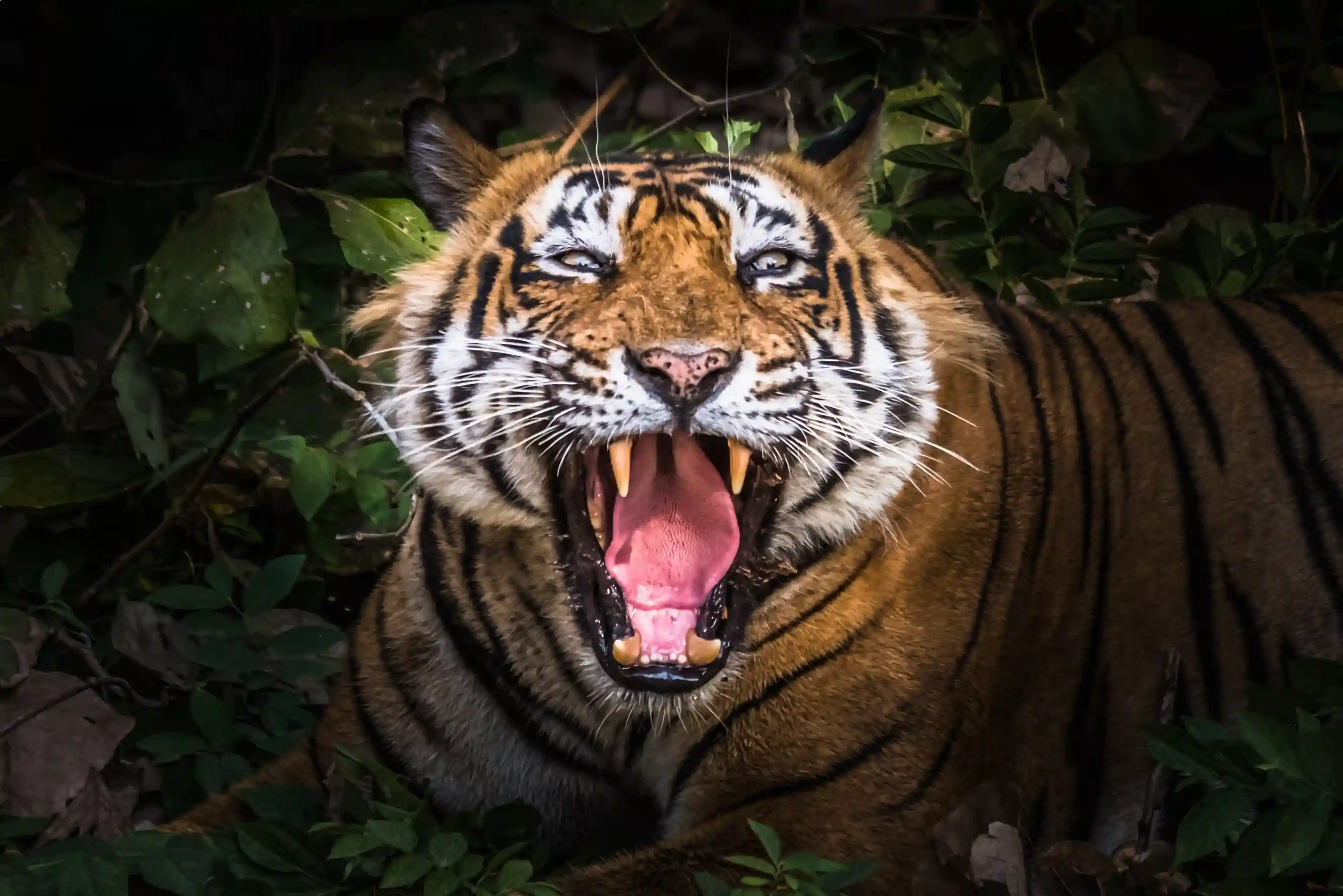
What Is the Best Time to Visit Ranthambore National Park?
If you're dreaming of spotting a majestic Bengal tiger in its natural habitat, timing your trip can make all the difference. Ranthambore National Park, located in Rajasthan's Sawai Madhopur district, is one of India's most famous wildlife destinations. Known for its thriving tiger population, ancient ruins, scenic lakes, and diverse wildlife, the park attracts thousands of visitors from around the world every year.
One of the most common questions travelers ask is, "What is the best time to visit Ranthambore National Park?" The answer depends on what you want to experience. Some visitors prioritize tiger sightings, while others prefer lush green landscapes, pleasant weather, or birdwatching opportunities. Understanding the different seasons will help you plan the perfect wildlife adventure.
Whether you're a wildlife photographer, a family traveler, or someone planning your first jungle safari, choosing the right season can significantly improve your experience. In this guide, you'll discover the ideal months to Visit Ranthambore National Park, the advantages and disadvantages of each season, safari tips, weather conditions, and everything else you need to know before booking your trip.
Understanding Ranthambore National Park
Ranthambore National Park covers over 1,300 square kilometers, including its buffer zones, making it one of India's largest and most celebrated tiger reserves. The park was once the hunting ground of the Maharajas of Jaipur before being declared a wildlife sanctuary in 1955 and later becoming part of Project Tiger in 1973.
Today, it is home to Bengal tigers, leopards, sloth bears, striped hyenas, crocodiles, sambar deer, spotted deer, nilgai, wild boars, jackals, langurs, and more than 300 species of birds. Ancient temples, lakes, and the impressive Ranthambore Fort add historical charm to the wilderness.
Because wildlife movement changes with weather conditions, every season offers a unique safari experience. This is why choosing the right time to Visit Ranthambore National Park is so important.
Winter Season (October to February) – The Most Comfortable Time
Winter is widely considered the most pleasant season to visit Ranthambore. Temperatures generally range between 8°C and 25°C, making jungle safaris comfortable throughout the day.
Cool mornings often begin with light fog, creating magical scenery around the lakes and forests. As the sun rises, animals become active, increasing the chances of spotting deer, langurs, crocodiles, and numerous bird species. Tigers also remain active during daylight hours because the weather is comfortable.
This season is especially popular among international tourists and families. Since the weather is ideal for sightseeing, visitors often combine their wildlife adventure with trips to nearby attractions such as Ranthambore Fort and local villages.
Birdwatchers also find winter rewarding because many migratory birds arrive during these months. If your goal is to enjoy nature without worrying about excessive heat, winter is an excellent time to Visit Ranthambore National Park.
The only downside is that this is peak tourist season. Hotels, safari permits, and guides get booked quickly, so advance reservations are highly recommended.
Summer Season (March to June) – Best for Tiger Sightings
Although summer temperatures frequently rise above 40°C, experienced wildlife enthusiasts often consider this the best season for tiger sightings.
During the hot months, water sources inside the forest become limited. Tigers, leopards, deer, and other animals regularly visit lakes and watering holes to drink and cool off. Because their movement becomes more predictable, safari guides have a better chance of locating them.
Morning safaris remain relatively pleasant, while afternoon safaris can be extremely hot. Visitors should wear light cotton clothing, sunglasses, hats, and sunscreen while carrying plenty of drinking water.
Wildlife photographers especially prefer summer because the dry vegetation improves visibility. Animals are easier to spot compared to the dense greenery of the monsoon months.
If your primary objective is photography or seeing a Bengal tiger in the wild, summer offers some of the highest success rates to Visit Ranthambore National Park, provided you're comfortable with the intense heat.
Monsoon Season (July to September) – A Different Kind of Beauty
Monsoon transforms Ranthambore into a lush green paradise. Rainfall refreshes the forests, lakes fill with water, and the entire landscape becomes vibrant and picturesque.
Many buffer zones remain open during the rainy season, while some core safari zones may temporarily close depending on weather conditions and forest management decisions. Travelers should check availability before planning their trip.
Although tiger sightings become less frequent because animals have abundant water sources throughout the forest, nature lovers appreciate the peaceful atmosphere and dramatic scenery.
This season is particularly attractive for photographers interested in landscapes rather than wildlife. The combination of ancient ruins, green forests, cloudy skies, and rain-washed lakes creates breathtaking compositions.
Visitors looking for fewer crowds, discounted hotel prices, and a relaxing nature escape may enjoy the monsoon months.
Month-by-Month Guide
October
The park reopens after the monsoon, and fresh greenery covers the landscape. Wildlife activity gradually increases, making it a great month for comfortable safaris.
November
Pleasant weather and active wildlife make November one of the most popular months. Hotels begin filling quickly as tourist numbers rise.
December
Cool temperatures create excellent safari conditions. Migratory birds arrive, making this month ideal for birdwatchers and photographers.
January
January remains cool with occasional foggy mornings. Wildlife sightings continue to be rewarding throughout the park.
February
Comfortable temperatures and clear skies make February one of the finest months for wildlife enthusiasts.
March
The weather starts warming up, and tiger sightings become more frequent as water sources begin shrinking.
April
Hot afternoons bring animals closer to lakes and ponds, improving safari success rates.
May
May is among the hottest months but also one of the best for spotting tigers.
June
Early June remains excellent for wildlife viewing before the arrival of the monsoon rains.
July to September
Rainfall brings lush landscapes, fewer visitors, and a peaceful environment, though safari availability may vary.
Wildlife You Can Expect to See
Ranthambore is famous for its incredible biodiversity. Besides Bengal tigers, visitors frequently encounter leopards, sloth bears, striped hyenas, jackals, crocodiles, marsh crocodiles, jungle cats, sambar deer, spotted deer, nilgai, wild boars, and langurs.
Bird enthusiasts can observe peacocks, kingfishers, painted storks, owls, eagles, parakeets, vultures, and numerous migratory species during winter.
Every safari offers a unique experience because wildlife movements constantly change with weather, habitat, and natural behavior.
Safari Options
Visitors can choose between Jeep Safari and Canter Safari.
Jeep safaris accommodate fewer passengers, providing a quieter and more personalized wildlife experience. They are particularly popular among photographers because they allow greater flexibility for viewing wildlife.
Canter safaris carry larger groups and are generally more economical, making them suitable for families and budget travelers.
Booking safari permits well in advance is highly recommended, especially if you plan to Visit Ranthambore National Park during the peak winter season.
Essential Travel Tips
Successful wildlife trips require proper preparation.
Book your safari permits several weeks or even months in advance during peak season.
Carry binoculars for better wildlife viewing.
Wear neutral-colored clothing such as green, brown, or beige to blend naturally into the environment.
Avoid making loud noises during the safari because they may disturb wildlife.
Listen carefully to your forest guide, who understands animal behavior and safety procedures.
Carry a camera with sufficient battery life and memory cards if photography is one of your priorities.
Stay hydrated throughout the day, particularly during the hot summer months.
Where to Stay
Accommodation options around Ranthambore range from budget guesthouses to luxurious jungle resorts.
Budget travelers can find affordable hotels near Sawai Madhopur Railway Station.
Mid-range resorts provide comfortable rooms, swimming pools, and safari booking assistance.
Luxury wildlife lodges offer premium hospitality, guided nature walks, cultural programs, and personalized safari experiences.
Staying close to the park entrance helps reduce travel time before early morning safaris.
Is Ranthambore Worth Visiting?
Absolutely.
Ranthambore National Park offers one of the best opportunities in India to observe Bengal tigers in their natural habitat. Beyond tiger sightings, visitors enjoy rich biodiversity, stunning landscapes, historical monuments, peaceful lakes, and unforgettable safari experiences.
Whether you're traveling with family, friends, or as a solo explorer, every safari offers excitement because no two jungle drives are ever the same.
If you're planning a wildlife holiday in India, there's no doubt that you should Visit Ranthambore National Park at least once. With proper planning and the right season, your journey can become one of the most memorable adventures of your life.
Conclusion
The best time to visit Ranthambore National Park depends on your travel priorities. If you want pleasant weather and comfortable sightseeing, October to February is ideal. If your goal is maximizing tiger sightings, March to June offers excellent opportunities despite the heat. Travelers who enjoy greenery, peaceful surroundings, and lower prices may prefer the monsoon season.
No matter when you choose to travel, Ranthambore promises unforgettable encounters with nature, remarkable wildlife, and the thrill of exploring one of India's most celebrated national parks. Careful planning, early safari bookings, and realistic expectations will help ensure an incredible experience that you'll remember for years.
Frequently Asked Questions
1. Which month is best for tiger sightings in Ranthambore?
April and May are generally considered the best months because animals frequently gather around limited water sources.
2. Is Ranthambore open throughout the year?
Most safari zones operate from October to June, while certain buffer zones may remain open during the monsoon season.
3. How many safaris should I book?
Booking at least two to three safaris increases your chances of spotting a tiger and other wildlife.
4. Is Ranthambore suitable for children?
Yes. Families with children enjoy jeep safaris, birdwatching, and exploring Ranthambore Fort, making it a great family destination.
5. Can I visit Ranthambore in one day?
Yes, but staying for two or three days allows you to enjoy multiple safaris and significantly improves your chances of seeing wildlife.


