
If you want to experience two fascinating chapters of Mughal history in one journey, combining the Taj Mahal with Fatehpur Sikri is an excellent choice. The Taj Mahal is celebrated around the world for its white marble architecture, delicate craftsmanship, gardens, and romantic history, while Fatehpur Sikri introduces visitors to the grand imperial world of Emperor Akbar. Together, these destinations create a memorable heritage experience filled with architecture, history, culture, photography, and fascinating stories.
The best Taj Mahal and Fatehpur Sikri Tour depends on where you begin, how much time you have, and whether you prefer a relaxed private journey or a fixed group itinerary. For most travellers, starting early is the smartest approach because it gives you more comfortable sightseeing conditions and enough time to explore both destinations without rushing. The Taj Mahal can be visited first, followed by Agra Fort or another local attraction, lunch, and then the drive to Fatehpur Sikri. If you are travelling from Delhi toward Jaipur, Fatehpur Sikri can also be included naturally between Agra and Jaipur.
Many visitors come to Agra primarily to see the Taj Mahal, but the region has a much deeper historical story. Visiting Fatehpur Sikri adds another important dimension to your journey because it allows you to explore the architectural legacy of Emperor Akbar. Instead of seeing only one famous monument, you experience two remarkable destinations associated with different periods of Mughal history.
The contrast between the two locations is particularly interesting. The Taj Mahal is dominated by white marble, symmetry, gardens, and intricate decorative work, whereas Fatehpur Sikri is largely associated with warm red sandstone, expansive courtyards, monumental gateways, palaces, and royal structures. The official Incredible India tourism portal describes Fatehpur Sikri as a UNESCO World Heritage Site and notes that it served as Akbar’s capital from 1571 to 1585.
This makes the journey feel like travelling through different pages of the same historical book. At the Taj Mahal, you discover the refined architectural style associated with Shah Jahan's period. At Fatehpur Sikri, you step into the world of Akbar, whose reign was known for imperial expansion, administration, cultural interaction, and architectural experimentation.
A well-organized one-day trip can cover both destinations, particularly if you begin from Agra. Travellers starting in Delhi can also complete the journey in one day, although the day will be long because of the road distance between Delhi and Agra. If you are travelling toward Jaipur afterward, the itinerary becomes even more practical because Fatehpur Sikri can be included along the route.
Travellers who prefer a slower experience should consider staying overnight in Agra. This gives you more freedom to visit the Taj Mahal without squeezing every attraction into one packed schedule. You can also explore Agra Fort, Mehtab Bagh, Itimad-ud-Daulah's Tomb, local markets, and traditional restaurants without constantly watching the clock.
For couples and families, a private car is usually the most flexible option. You can leave early, take breaks when necessary, spend longer at places that interest you, and modify the itinerary if weather or traffic affects the schedule.
The Taj Mahal should never feel like a simple photo stop. Although most visitors arrive with the famous front view in mind, the monument becomes much more impressive when you take time to observe its details. The large reflecting pools, symmetrical gardens, monumental gateway, white marble façade, decorative inlay, calligraphy, domes, minarets, and carefully balanced proportions work together to create one of the world's most recognizable architectural compositions.
The official tourism information states that the Taj Mahal normally opens 30 minutes before sunrise and closes 30 minutes before sunset, while Friday is a regular closure day. Visitors should always verify current arrangements before travelling because official schedules and access procedures can change.
Take time to look closely at the marble decoration. Floral patterns and semi-precious stone inlay become especially interesting when viewed from close range. Rather than rushing through the complex, walk slowly, enjoy different viewpoints, and allow yourself time to appreciate the craftsmanship.
Early morning is one of the most popular times to visit the Taj Mahal. The softer natural light can produce beautiful photographs, and the temperature is generally more comfortable than during the middle of the day. An early arrival can also help you enjoy the monument before the busiest part of the sightseeing period.
Photography enthusiasts should explore several viewpoints rather than taking only the classic front-facing photograph. The gardens, reflecting pool, side perspectives, entrance gateway, and architectural details all provide different compositions. If you are travelling with family or friends, an early visit also gives you more opportunities to take photographs without feeling that you have to hurry.
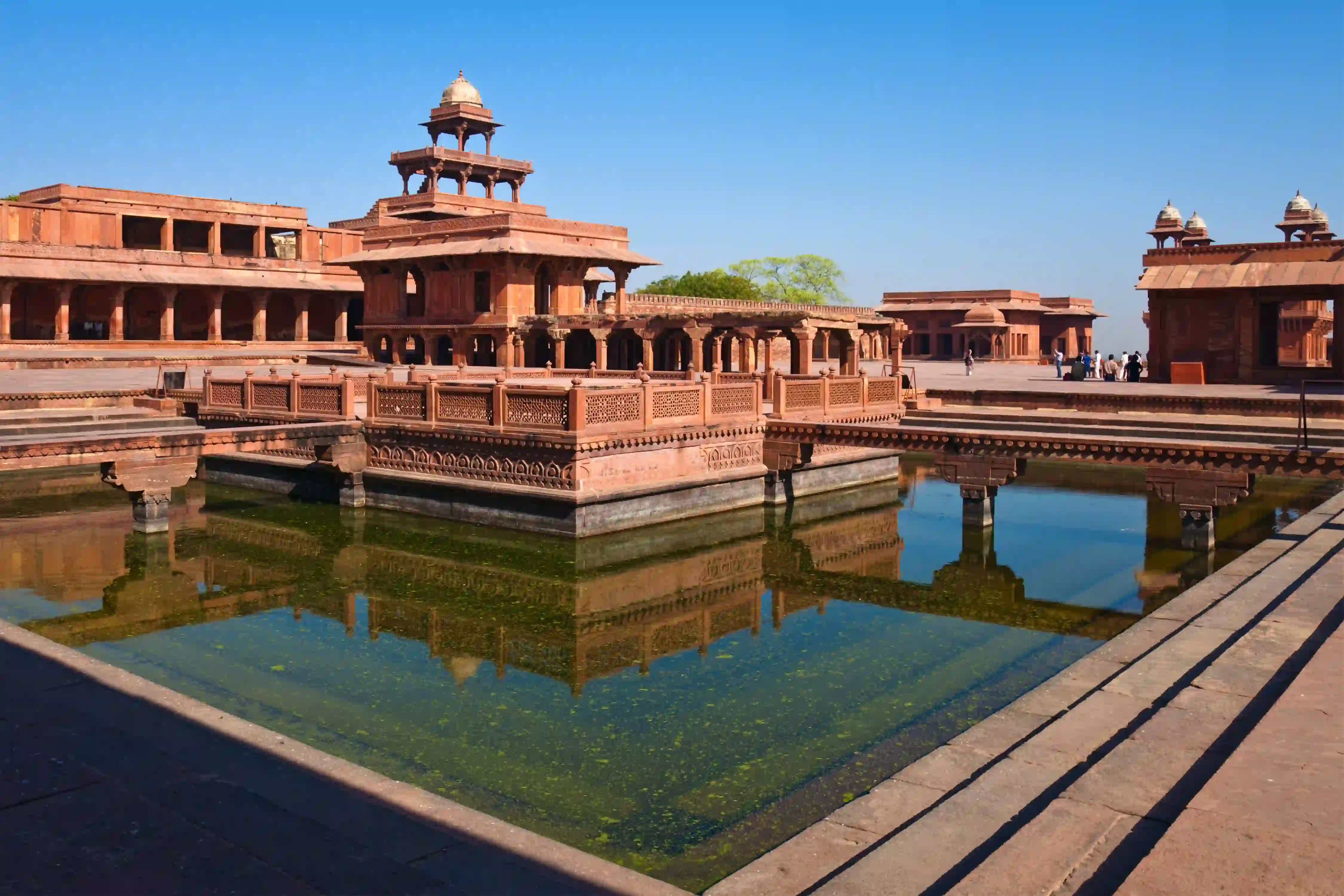
Fatehpur Sikri offers a completely different visual experience. Built largely from red sandstone, the historic complex contains royal residences, religious structures, courtyards, gateways, and architectural details that demonstrate the sophistication of Akbar's period.
Important attractions include Buland Darwaza, Jami Masjid, Panch Mahal, Anup Talao, Birbal's House, and Jodha Bai's Palace. Each structure contributes something different to the overall story of the former imperial city.
Buland Darwaza is particularly impressive because of its monumental scale. Jami Masjid provides an important religious and architectural element, while Panch Mahal is instantly recognizable because of its unusual multi-level design. The royal buildings help visitors imagine how the imperial household and court might have functioned centuries ago.
A local guide can make this part of the journey much more engaging. Without historical context, you may see beautiful buildings; with a good guide, you begin to understand why they were built, who used them, and how they fitted into the larger imperial complex.
The ideal route depends on your starting and ending points. From Delhi, most travellers travel toward Agra first and begin sightseeing there. After visiting the Taj Mahal and other selected Agra attractions, you can continue to Fatehpur Sikri before travelling onward.
If Jaipur is your next destination, this arrangement is particularly convenient. You can visit the Taj Mahal in the morning, explore Agra Fort, have lunch, travel to Fatehpur Sikri, and then continue toward Jaipur. This avoids unnecessary backtracking and turns the journey into part of the sightseeing experience.
Travellers staying in Agra have even more flexibility. They can start at the Taj Mahal, visit another nearby monument, enjoy lunch, and then take an afternoon excursion to Fatehpur Sikri before returning to their hotel.
The choice between a private car and a group tour depends on your priorities. Group tours can be attractive for travellers who want a structured itinerary and potentially lower costs. However, fixed schedules may leave less flexibility when you want additional time at a particular monument.
A private car gives you much greater control. You can decide when to start, where to stop, how long to spend at each attraction, and whether to add another monument. Families with children and travellers with older relatives often appreciate this flexibility because the day can be adjusted around their comfort.
A professional driver can also make the road journey easier. Instead of worrying about navigation, parking, unfamiliar roads, and traffic, you can focus on enjoying the experience.
A guide can turn an ordinary sightseeing trip into a historical journey. Imagine standing inside an enormous courtyard and knowing what happened there, who once walked through it, and why the architecture was designed in a particular way. Suddenly, the building is no longer just an old structure; it becomes part of a story.
At the Taj Mahal, a knowledgeable guide can explain the history of Shah Jahan and Mumtaz Mahal, architectural symbolism, marble craftsmanship, and the construction of the complex. At Fatehpur Sikri, a guide can explain Akbar's connection with the city, the purpose of important buildings, and the architectural influences visible throughout the complex.
If history is not your main interest, you can still benefit from a guide. They can help you find the best viewpoints, avoid wasting time, and organize the sightseeing in a logical order.
The cooler months between October and March are generally popular for exploring Agra and Fatehpur Sikri. Winter mornings can be cool, but daytime temperatures are usually much more comfortable for walking around large heritage complexes.
April, May, and June can be considerably hotter. If you travel during these months, an early start becomes even more important. Carry water, use sun protection, wear comfortable clothing, and avoid spending unnecessary time outdoors during the hottest part of the day.
The monsoon season can bring humidity and rain, but it can also give the landscape a fresh appearance. Regardless of the season, check the weather forecast before travelling and keep some flexibility in your schedule.
Comfortable footwear should be at the top of your list because both destinations involve considerable walking. Choose shoes that are suitable for uneven surfaces and extended sightseeing rather than fashionable footwear that becomes uncomfortable after several hours.
A small day bag, sunglasses, sunscreen, a hat, drinking water, and your phone or camera are also useful. Keep your belongings organized because you will pass through security procedures at major monuments.
Dress comfortably and respectfully, particularly when visiting religious areas. Light, breathable clothing is useful during warmer months, while a light jacket or sweater can be helpful on winter mornings.
Entry arrangements should be checked shortly before your trip because ticketing procedures, security rules, and visitor regulations can change. The official Incredible India tourism information currently lists the Taj Mahal's general visiting period as 30 minutes before sunrise until 30 minutes before sunset, except on Fridays.
Fatehpur Sikri is currently listed by Incredible India as open from 6:00 AM to 6:00 PM. These published hours should still be treated as planning guidance rather than a substitute for checking the latest official information before your visit.
Give yourself enough time for entry procedures. Security checks, queues, walking between parking areas and monuments, and photography stops can all affect your schedule.
After several hours of sightseeing, a good lunch can make the difference between an enjoyable afternoon and a tiring one. Agra offers a wide range of restaurants serving North Indian, Mughlai, vegetarian, and international dishes.
If you are travelling with children or older family members, prioritize a comfortable and hygienic restaurant rather than trying to fit in an overly ambitious food itinerary. You can also try some local Agra specialties and traditional sweets if you enjoy regional cuisine.
Keep lunch reasonably timed if Fatehpur Sikri is part of the same-day itinerary. Spending too long at lunch can reduce the time available for exploring the historic city.
Agra has a long tradition of handicrafts and decorative arts. Visitors can find marble inlay products, textiles, leather goods, handicrafts, souvenirs, and traditional Indian items in different markets across the city.
Popular shopping areas include Sadar Bazaar, Kinari Bazaar, and Raja Ki Mandi, among others. If you are interested in marble craftsmanship, take time to compare workmanship and prices rather than purchasing the first item you see.
A small decorative piece can be a meaningful reminder of your journey, especially when you understand the craftsmanship behind it. Just remember that shopping should complement the sightseeing rather than take over the entire day.
This itinerary works for almost every type of traveller. Couples can enjoy the romantic atmosphere of the Taj Mahal, families can combine education with sightseeing, photographers can explore contrasting architectural styles, and history enthusiasts can spend hours discovering Mughal heritage.
It is particularly useful for first-time visitors to North India because it combines two important historical attractions in a relatively compact itinerary. You get the iconic monument everyone knows, followed by a destination that offers a deeper and less familiar look at Mughal history.
For Golden Triangle travellers, the tour is especially convenient. Delhi, Agra, Fatehpur Sikri, and Jaipur can be connected into a logical road journey, making it possible to experience several major heritage destinations during one holiday.
Start early, wear comfortable shoes, carry water, and avoid packing too many attractions into one day. The goal should not be to collect the largest possible number of photographs; it should be to enjoy the places you actually visit.
Keep some flexibility in your itinerary. Traffic can change travel times, weather can affect outdoor sightseeing, and a monument may capture your attention for much longer than expected. A flexible schedule allows you to enjoy those unexpected moments instead of constantly worrying about the clock.
If you are travelling with family, communicate your priorities before the trip. Decide whether the Taj Mahal, Agra Fort, shopping, food, or Fatehpur Sikri deserves the most time. Once your priorities are clear, the itinerary becomes much easier to manage.
A Delhi-based itinerary should begin early enough to give you meaningful sightseeing time in Agra. After reaching the city, visit the Taj Mahal first and spend enough time exploring the gardens, main mausoleum, and surrounding architecture.
You can then visit Agra Fort before taking lunch. In the afternoon, continue toward Fatehpur Sikri and explore the major monuments. After sightseeing, you can either return to Delhi or continue toward Jaipur depending on your wider travel plans.
This route is especially useful for travellers planning a Golden Triangle holiday because it allows Fatehpur Sikri to become a natural stop between Agra and Jaipur rather than requiring a separate excursion.
If you are staying in Agra, the day can be much more relaxed. Begin with the Taj Mahal, return for breakfast, and then visit Agra Fort or another nearby attraction. After lunch, travel to Fatehpur Sikri for an afternoon of historical sightseeing.
A carefully planned Taj Mahal and Fatehpur Sikri Tour gives you enough time to enjoy both destinations without turning the day into a race. If you have more time available, consider spending another night in Agra and exploring additional attractions such as Mehtab Bagh or Itimad-ud-Daulah's Tomb.
The best Taj Mahal and Fatehpur Sikri Tour is one that combines smart timing, comfortable transportation, meaningful sightseeing, and enough flexibility to enjoy each destination. The Taj Mahal provides an unforgettable experience of Mughal architecture and craftsmanship, while Fatehpur Sikri reveals another side of the empire through its red sandstone palaces, courtyards, gateways, and religious buildings.
For most visitors, an early start and private vehicle offer the best combination of convenience and flexibility. Adding a knowledgeable local guide can make the history easier to understand and help you discover details that you might otherwise overlook.
Whether you start from Delhi, stay in Agra, or continue toward Jaipur, this journey offers much more than two famous tourist attractions. It is an opportunity to experience centuries of architecture, culture, craftsmanship, and history in one memorable North Indian adventure.
Yes. Both destinations can be visited in one day with careful planning, especially when starting from Agra. Travellers coming from Delhi can also do it, although the day will be longer because of the road journey.
Fatehpur Sikri is approximately 40 kilometres from Agra according to official tourism information. Driving time can vary depending on traffic and road conditions.
Yes. The two destinations offer very different experiences. The Taj Mahal is famous for its white marble architecture and historical symbolism, while Fatehpur Sikri provides insight into Emperor Akbar's imperial city and Mughal architecture.
Early morning is generally a popular choice because the weather is more comfortable and the light can be excellent for photography. The Taj Mahal is normally closed on Fridays, so check the latest official information before planning your visit.
A private tour is a good choice if you want flexibility, personalized sightseeing, comfortable transportation, and the ability to adjust the itinerary. It is particularly useful for families, couples, photographers, and small groups.


