
Have you ever dreamed of exploring the royal palaces of Rajasthan while experiencing the thrill of spotting a tiger in the wild? A journey combining Jaipur's magnificent architecture with the natural beauty of Ranthambore National Park offers an unforgettable travel experience. Jaipur, popularly known as the Pink City, welcomes visitors with its colorful markets, historic forts, traditional cuisine, and rich cultural heritage. Ranthambore, located in southeastern Rajasthan, is famous for its wildlife, scenic landscapes, and opportunities to observe Bengal tigers in their natural habitat. Together, these destinations create a memorable combination of history, culture, adventure, and nature.
A Jaipur and Ranthambore Tour is an excellent option for travelers who want to experience two distinct sides of Rajasthan in one trip. You can spend your mornings exploring magnificent forts, your afternoons discovering local traditions, and your evenings relaxing in comfortable accommodations surrounded by beautiful landscapes. The journey also offers opportunities to enjoy authentic Rajasthani food, shop for traditional handicrafts, and capture stunning photographs. Whether you are planning a family holiday, a romantic getaway, or an adventurous escape with friends, this travel combination provides a flexible itinerary that can suit different interests and budgets.
Choosing a trip that combines Jaipur and Ranthambore allows you to experience Rajasthan beyond its famous palaces and desert landscapes. Jaipur introduces you to the region's royal past, artistic traditions, and lively urban culture, while Ranthambore offers a peaceful escape into forests, lakes, and wildlife habitats. The contrast between these destinations makes the journey particularly appealing to travelers who enjoy variety. Instead of spending your entire vacation in one city, you can discover architectural masterpieces and natural wonders within a single itinerary. This balance also gives you the chance to enjoy both guided sightseeing and exciting outdoor activities.
Another reason to choose this travel combination is its flexibility. You can plan a short three-day getaway or extend your stay to five or six days for a more relaxed experience. Families can focus on cultural attractions and comfortable wildlife experiences, while photographers and nature enthusiasts can dedicate additional time to safaris and exploring the surrounding landscape. Couples can enjoy heritage hotels, scenic drives, and quiet evenings, while history lovers can spend more time exploring Jaipur's forts and palaces. With thoughtful planning, the journey can become a personalized Rajasthan holiday that combines relaxation, discovery, and adventure.
5
Jaipur is a city where history comes alive through its grand architecture, colorful streets, and traditional craftsmanship. Founded in 1727 by Maharaja Sawai Jai Singh II, the city is known for its carefully planned layout and distinctive pink-colored buildings in its historic center. Visitors can explore the magnificent Amber Fort, admire the intricate façade of Hawa Mahal, and discover the royal collections housed within the City Palace. Each landmark offers a glimpse into the artistic achievements, cultural traditions, and royal lifestyle that shaped Rajasthan over the centuries. Walking through Jaipur's historic neighborhoods feels like stepping into a living museum where centuries-old traditions continue to influence everyday life.
Beyond its famous monuments, Jaipur offers plenty of opportunities to experience local culture. The bustling markets of Johari Bazaar and Bapu Bazaar are popular places to shop for gemstones, textiles, jewelry, handicrafts, and traditional footwear. Food lovers can sample regional specialties such as dal baati churma, pyaaz kachori, and ghewar while exploring the city's vibrant culinary scene. Visitors can also discover traditional block printing, blue pottery, and other crafts that reflect Jaipur's artistic identity. These experiences make the city more than just a sightseeing destination, creating a deeper connection with Rajasthan's heritage and everyday culture.
7
Ranthambore National Park is one of India's well-known wildlife destinations, attracting nature lovers and photographers from around the world. Located near Sawai Madhopur, the park is particularly famous for its Bengal tigers, which roam through a landscape of dry deciduous forests, rocky hills, grasslands, and lakes. Visitors may also encounter leopards, sloth bears, crocodiles, sambar deer, spotted deer, and numerous bird species. The park's varied scenery makes every safari different, with changing light, seasonal vegetation, and wildlife activity creating unique experiences. Although tiger sightings are never guaranteed, the possibility of observing these magnificent animals in their natural surroundings adds excitement to every visit.
A safari through Ranthambore offers more than a chance to spot wildlife. The park's historic Ranthambore Fort, ancient ruins, and picturesque water bodies create a remarkable setting where nature and history meet. During a guided safari, visitors can learn about animal behavior, forest ecosystems, and conservation efforts while exploring designated routes in an authorized vehicle. Early-morning and afternoon drives offer different experiences depending on weather, season, and animal activity. For travelers who appreciate nature, photography, and outdoor adventure, Ranthambore provides a memorable contrast to Jaipur's lively streets and royal monuments.
The best itinerary for exploring Jaipur and Ranthambore is one that gives you enough time to enjoy the city's historic attractions while leaving room for wildlife safaris and relaxation. A four-day trip is a practical choice for travelers who want to experience the highlights of both destinations without rushing through every activity. You can spend two days exploring Jaipur, travel to Sawai Madhopur on the third day, and dedicate the final day to a safari adventure before returning home. If you have additional time, extending your stay by a day or two can make the journey more comfortable and provide more opportunities for wildlife viewing. The following itinerary offers a balanced combination of sightseeing, cultural experiences, and outdoor exploration.
6
Begin your first day in Jaipur by visiting Amber Fort, one of Rajasthan's most impressive historic landmarks. Located on a hill overlooking Maota Lake, the fort features grand courtyards, ornate gateways, and beautifully decorated palace interiors. After exploring the fort, head toward the city center to admire Hawa Mahal, the iconic Palace of Winds, known for its intricate pink sandstone façade and distinctive windows. Continue to Jantar Mantar, a UNESCO World Heritage Site featuring historic astronomical instruments that demonstrate the scientific achievements of the 18th century. End your day with a relaxing dinner at a traditional Rajasthani restaurant, where you can enjoy local delicacies and experience the region's hospitality.
6
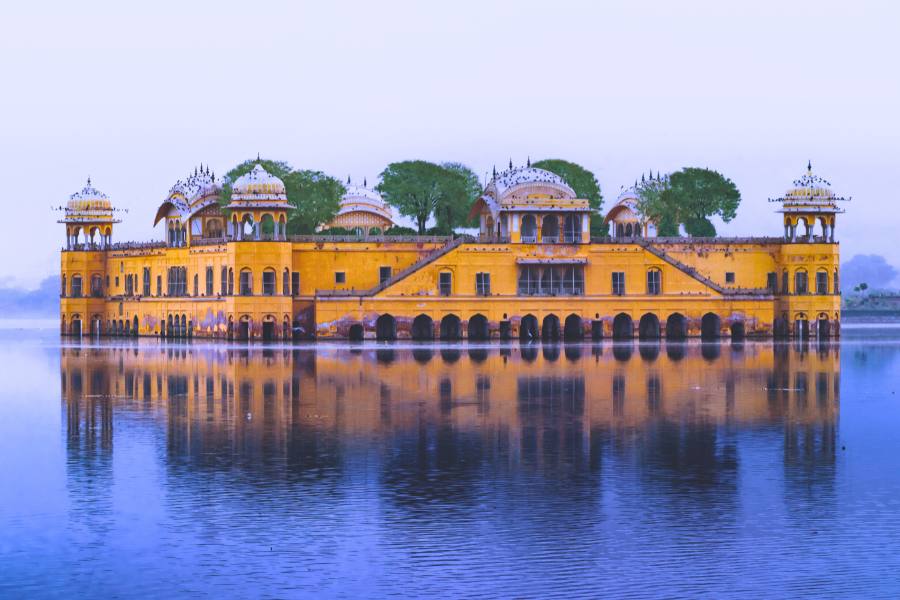
Spend your second day exploring Jaipur's cultural attractions and vibrant local markets. Start with the City Palace, where royal courtyards, historic galleries, and traditional architecture provide insight into the city's royal history. Next, visit Jal Mahal, the beautiful palace standing in the middle of Man Sagar Lake, and enjoy the scenic surroundings. If time permits, explore the Albert Hall Museum to discover historical artifacts, paintings, and decorative arts. In the afternoon, visit Johari Bazaar or Bapu Bazaar to shop for traditional jewelry, textiles, handicrafts, and souvenirs. Finish the day with a leisurely evening exploring Jaipur's food scene before preparing for your journey to Ranthambore.
6
On the third day, leave Jaipur and travel to Sawai Madhopur, the gateway to Ranthambore National Park. The road journey typically takes around three to four hours, depending on traffic and the route, making it convenient to reach your destination by midday. After checking into your hotel or wildlife resort, take some time to relax and enjoy the peaceful surroundings. You can spend the afternoon exploring nearby attractions, visiting local markets, or learning about the region's wildlife and conservation initiatives. If your schedule and safari booking allow, you may be able to enjoy an afternoon safari, although planning an overnight stay before your main wildlife excursion is often more comfortable.
6
Wake up early for a morning safari in Ranthambore National Park, when the forest begins to come alive with birdsong and wildlife activity. Accompanied by an authorized guide and driver, you will explore designated safari routes while keeping an eye out for tigers, deer, crocodiles, and other animals. Remember that wildlife sightings depend on natural conditions, so patience and appreciation for the entire ecosystem are essential. After the safari, return to your accommodation for breakfast and some relaxation before checking out. Depending on your onward travel plans, you can return to Jaipur or continue to another destination in Rajasthan.
Choosing the right season can make a significant difference to your Rajasthan holiday. Jaipur is generally more comfortable to explore during the cooler months, particularly from October to March, when daytime temperatures are often more pleasant for sightseeing and outdoor activities. Ranthambore's safari season is generally associated with the cooler months and the warmer period leading into summer, although the park's operating schedule and access to particular zones can vary. The hottest months can bring intense daytime temperatures, while the monsoon season introduces greener landscapes and seasonal changes to the surrounding region. Before booking, check the park's current opening dates and safari availability.
For travelers interested in wildlife photography, the warmer months can offer different viewing conditions as vegetation becomes less dense and animals may gather near water sources. However, heat can make safaris more physically demanding, so visitors should prepare appropriately with sun protection, drinking water, and suitable clothing. Winter offers cooler temperatures and pleasant sightseeing conditions in Jaipur, although early-morning safaris in Ranthambore can be chilly. Spring and autumn can provide a balance between comfortable weather and opportunities for outdoor exploration. Ultimately, the ideal travel period depends on your comfort preferences, sightseeing priorities, and interest in wildlife.
A memorable Rajasthan itinerary should include a mix of iconic landmarks, cultural experiences, and natural attractions. In Jaipur, Amber Fort stands out for its hilltop location, grand courtyards, and intricate architecture, while Hawa Mahal attracts visitors with its distinctive façade and historical significance. The City Palace offers a glimpse into royal life, and Jantar Mantar showcases the city's connection to astronomy and scientific innovation. Jal Mahal provides a picturesque setting for photographs, while Jaipur's traditional markets offer opportunities to discover regional crafts and local flavors. Exploring these attractions at a comfortable pace helps you appreciate the city's diverse character.
Ranthambore's attractions are centered on its wildlife, scenic landscapes, and historical heritage. Ranthambore National Park is the primary highlight, offering guided safaris through a landscape of forests, lakes, and rocky hills. Ranthambore Fort, located within the wider park landscape, provides a fascinating glimpse into the area's history and offers views of the surrounding countryside. The lakes and forest clearings are particularly appealing to photographers and birdwatchers, while the nearby town of Sawai Madhopur provides access to local markets and regional culture. Including these experiences in your itinerary creates a balanced journey that combines Rajasthan's architectural heritage with its natural beauty.
Accommodation plays an important role in shaping your travel experience, especially when visiting two destinations with different atmospheres. Jaipur offers a wide range of hotels, from budget-friendly guesthouses and modern city hotels to heritage properties housed in historic buildings. Travelers who enjoy cultural experiences may prefer staying in a traditional haveli, while families might appreciate hotels with spacious rooms and convenient facilities. In Ranthambore, accommodation options include wildlife resorts, boutique lodges, comfortable hotels, and nature-focused retreats. Choosing a property near the park's access points can make early-morning safari departures more convenient.
Transportation between Jaipur and Ranthambore is relatively straightforward, with private cars, taxis, and train connections serving different travel preferences. A private vehicle provides flexibility for sightseeing stops and convenient transfers, while rail travel can be a practical option for travelers who prefer not to drive. Within Jaipur, taxis, app-based transport services, and local transportation can help you move between attractions. Safari transportation inside Ranthambore is arranged through authorized operators and typically involves designated open vehicles or larger safari vehicles, depending on availability. Booking important transfers and safaris in advance can help reduce last-minute stress, especially during busy travel periods.
A little preparation can make your trip more enjoyable and help you avoid common travel challenges. Start by booking your accommodation, transportation, and safari permits ahead of time, particularly if you plan to travel during holidays or peak tourist periods. Carry comfortable walking shoes for exploring Jaipur's forts and historic streets, and pack lightweight clothing for warmer days along with an extra layer for chilly winter mornings. A reusable water bottle, sunscreen, sunglasses, and a hat can be useful during sightseeing and outdoor activities. Keep your identification documents and booking confirmations accessible throughout the journey.
When visiting Ranthambore, follow the instructions of your safari guide and respect the park's wildlife regulations. Avoid making loud noises, feeding animals, or attempting to approach wildlife for photographs. Bring binoculars if you enjoy birdwatching, and use a camera with a suitable zoom lens to capture distant animals without disturbing them. It is also sensible to carry some cash for small purchases while using digital payment methods where available. Finally, keep your schedule flexible because road conditions, weather, and wildlife activity can influence your plans. A relaxed approach will help you enjoy the experience even when things do not go exactly as expected.
Selecting a suitable tour package starts with understanding your travel priorities, budget, and available time. Some packages focus on Jaipur's major landmarks and include a short visit to Ranthambore, while others offer a more immersive experience with multiple safaris and additional nights in wildlife resorts. Before booking, check whether the package includes accommodation, meals, transportation, sightseeing, guide services, and safari permits. It is also useful to confirm whether entrance fees and other charges are included or payable separately. Comparing these details can help you understand the actual cost of your holiday rather than relying solely on the advertised package price.
The right package should also match your preferred travel style. Families may want comfortable hotels, convenient transfers, and a flexible sightseeing schedule, while couples might prefer heritage accommodations and private transportation. Wildlife enthusiasts may prioritize additional safari opportunities, although sightings cannot be guaranteed. Budget-conscious travelers can consider standard hotels and shared transport, while those seeking a more personalized experience may choose private tours and boutique properties. A well-planned Jaipur and Ranthambore Tour should offer a practical balance of comfort, sightseeing, wildlife experiences, and flexibility without making the itinerary unnecessarily rushed.
Jaipur and Ranthambore offer a wonderful combination of royal heritage, cultural discovery, and wildlife adventure. From exploring Amber Fort and Hawa Mahal to experiencing the forests of Ranthambore National Park, this journey introduces travelers to two distinctive sides of Rajasthan. A four-day itinerary provides a convenient starting point, with two days in Jaipur, a transfer to Sawai Madhopur, and time for a wildlife safari. Travelers with additional time can extend their stay to explore more attractions, enjoy additional safari opportunities, and relax at their accommodations.
The best travel experience depends on your interests, preferred season, budget, and pace. By planning transportation in advance, selecting suitable accommodation, and reserving safari permits early, you can enjoy a smoother and more rewarding holiday. Whether you are visiting Rajasthan for its architecture, food, wildlife, or cultural traditions, this combination offers a memorable way to discover the region's many attractions. With the right itinerary, your journey can become an enriching experience filled with beautiful landscapes, fascinating history, and unforgettable moments.
Four days are generally sufficient to explore Jaipur's major attractions and enjoy a wildlife safari in Ranthambore. You can spend two days sightseeing in Jaipur, one day traveling to Sawai Madhopur, and the remaining time enjoying a safari and returning. If you want a more relaxed holiday or additional safari opportunities, consider extending your trip to five or six days.
October to March is generally comfortable for sightseeing in Jaipur, with cooler temperatures and pleasant conditions for exploring monuments and markets. Ranthambore's safari availability depends on the park's seasonal operating schedule, so check current opening dates before booking. The warmer months may offer different wildlife-viewing conditions, but visitors should prepare for higher temperatures.
Yes, Ranthambore is known for its Bengal tiger population, and visitors may spot tigers during authorized safaris. However, sightings are never guaranteed because the animals roam freely in their natural habitat. The park is also home to many other species, including deer, crocodiles, birds, and other wildlife.
Ranthambore National Park is near Sawai Madhopur, approximately 180 to 190 kilometers from Jaipur by road, depending on the route. A road journey usually takes around three to four hours, although traffic and road conditions can affect travel time. Train services between Jaipur and Sawai Madhopur may also be an option.
A tour package may include hotel accommodation, transportation, sightseeing, meals, guide services, and safari arrangements. Inclusions vary by operator, so check whether safari permits, monument entrance fees, and other charges are covered. Comparing package details and cancellation policies can help you choose an option that fits your budget and travel preferences.


