
If you are planning your first trip to India and want to experience some of the country's most famous landmarks, cultures, and historic cities in one journey, the Golden Triangle is an excellent place to begin. The classic route connects Delhi, Agra, and Jaipur, three destinations that showcase remarkably different sides of northern India. Delhi introduces you to the country's political and historical heart, Agra brings you face-to-face with the extraordinary Taj Mahal and Mughal architecture, while Jaipur surrounds you with the forts, palaces, colors, and traditions of Rajasthan. The best itinerary is not simply about visiting all three cities as quickly as possible; it is about giving yourself enough time to appreciate each destination without spending the entire vacation sitting in a car. For most travelers, a 6- or 7-day Golden Triangle India Tour provides the right balance between sightseeing, travel, relaxation, food, shopping, and spontaneous experiences. With sensible planning, you can see world-famous monuments while still leaving room to wander through markets, enjoy local cuisine, photograph beautiful streets, and experience the character of each city.
Your Golden Triangle adventure can begin in Delhi, one of India's most fascinating and energetic cities. After arriving, give yourself some time to settle into your hotel before beginning major sightseeing, especially if you have traveled internationally and are dealing with jet lag. Delhi can initially feel overwhelming because it is enormous, busy, noisy, and constantly moving, but that energy is also part of its charm. Rather than trying to see every attraction on the first afternoon, start with a manageable introduction to the city. Depending on your arrival time, you might visit India Gate, drive through the government district, or explore a neighborhood such as Connaught Place before enjoying your first Indian dinner. The goal is to ease into the trip rather than exhausting yourself immediately.
If you arrive early enough, Old Delhi is an excellent place to begin experiencing the city's historic side. The area around Jama Masjid and Chandni Chowk offers a dramatic contrast to the broad avenues and modern buildings of New Delhi. Narrow lanes are filled with shops, street food vendors, historic buildings, motorcycles, rickshaws, and pedestrians. It can be chaotic, but with a knowledgeable local guide or a carefully planned route, the experience becomes much easier to appreciate. Delhi is a city where history does not sit quietly behind museum glass; it is woven into everyday life.
Spend your second day exploring Delhi's major monuments. One of the best places to start is Humayun's Tomb, a magnificent Mughal-era complex that is also historically significant because of its architectural influence on later Mughal buildings. Its symmetrical gardens and sandstone-and-marble design make it particularly rewarding for photographers. From there, you can continue toward Qutub Minar, one of Delhi's most recognizable landmarks. The towering minaret rises above an extensive archaeological complex containing columns, ruins, gateways, and beautifully detailed stonework.
Another important stop is Lodhi Garden, where historic tombs sit among landscaped gardens that are popular with local residents. It offers a quieter atmosphere after the intensity of Old Delhi. You can also visit the Lotus Temple, known for its distinctive flower-shaped architecture, or explore the National Museum if you prefer a deeper look at India's artistic and historical heritage. Do not make the mistake of treating Delhi as merely a stopover before Agra. The capital contains centuries of history, and allowing two days here makes the entire itinerary feel more complete.
Delhi is also one of the best cities on the route for food. Try a mixture of traditional North Indian dishes and famous Delhi street foods, but choose reputable vendors if your stomach is not accustomed to local cuisine. Butter chicken, kebabs, chaat, parathas, biryani, and a variety of vegetarian dishes can make your meals part of the sightseeing experience. A food tour can be especially useful because it allows you to sample several specialties without having to guess what to order.
On the third day, travel from Delhi to Agra, traditionally the next major stop on the Golden Triangle route. The journey is considerably easier than it once was because modern road and rail connections have improved travel between the cities. The exact journey time depends on your transportation method, traffic, and departure point, so it is sensible to check current schedules before your trip rather than relying on a fixed travel time.
Once you arrive in Agra and check into your hotel, begin exploring the city's Mughal heritage. The most important attraction after the Taj Mahal is Agra Fort, an enormous red sandstone complex that served as a royal residence and military stronghold. From parts of the fort, you can see the Taj Mahal in the distance, creating a memorable connection between two of India's greatest monuments.
Agra has more to offer than its two most famous attractions. Itimad-ud-Daulah's Tomb, sometimes called the Baby Taj, is an elegant marble monument with intricate decorative work. Mehtab Bagh, located across the Yamuna River, can also provide a different perspective of the Taj Mahal, particularly around sunset when conditions are favorable. Spending an afternoon exploring these lesser-known sites can make your Agra experience considerably richer.
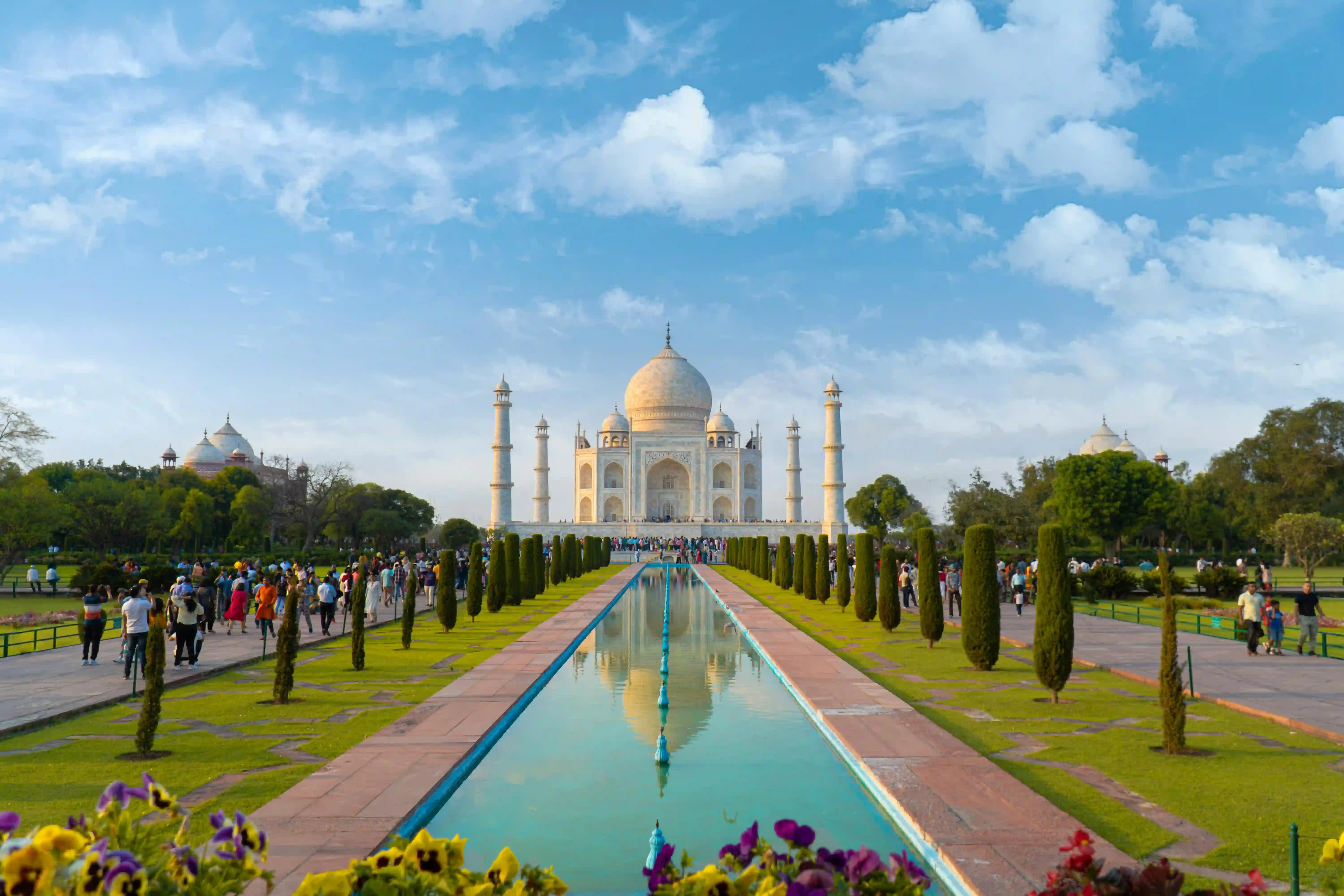
The fourth day should begin early. If your schedule and the monument's opening arrangements permit, visit the Taj Mahal around sunrise. Seeing the monument in the softer morning light is one of those travel experiences that photographs struggle to reproduce accurately. The white marble changes character as the light develops, while the early atmosphere can feel calmer than the busiest periods of the day. Check the monument's current opening days, ticketing requirements, and visitor rules before traveling because these details can change.
The Taj Mahal was commissioned by Mughal emperor Shah Jahan in memory of Mumtaz Mahal, and its extraordinary combination of symmetry, marble inlay, calligraphy, and architectural proportion explains why it remains one of the world's most recognizable monuments. Give yourself enough time to explore rather than taking a few photographs and immediately leaving. Understanding some of the monument's history also changes the experience; the building becomes more than a famous photograph.
After visiting the Taj Mahal, continue toward Jaipur. One of the most worthwhile stops along the route is Fatehpur Sikri, the historic city associated with Emperor Akbar. Its grand gateways, courtyards, palaces, and religious buildings offer another fascinating glimpse into Mughal architecture. Because adding the stop can extend the journey, plan your timing carefully. By the time you reach Jaipur, you may prefer a relaxed dinner and an early night rather than another full sightseeing session.
Jaipur is where the atmosphere of the journey changes dramatically. Known as the Pink City, Jaipur is famous for its historic architecture, colorful markets, royal residences, and imposing hilltop forts. Begin your main sightseeing with Amber Fort, located outside the central city area. The fort's courtyards, gateways, halls, gardens, and elevated position make it one of the highlights of Rajasthan. Allow several hours if you want to explore properly rather than rushing from one photo stop to another.
After Amber Fort, continue toward Jal Mahal, the picturesque palace appearing to float in the middle of Man Sagar Lake. Visitors generally appreciate it as a viewpoint and photography stop rather than an attraction requiring a long visit. Continue into the historic center to see Hawa Mahal, the famous Palace of Winds. Its elaborate facade, filled with small windows, is one of Jaipur's defining images.
The City Palace deserves a longer visit. The complex reflects Jaipur's royal history through courtyards, gateways, decorative architecture, museums, and collections. If you enjoy history, textiles, weapons, manuscripts, or traditional design, this can easily become one of your favorite Jaipur attractions. Nearby, Jantar Mantar demonstrates the scientific sophistication of historical Indian astronomy through a collection of enormous astronomical instruments.
A good itinerary should not consist entirely of famous monuments. Use your sixth day to experience Jaipur at a slower pace. Visit a traditional market, browse handicrafts, learn about block printing, or spend time discovering the city's local food culture. Jaipur is particularly well known for textiles, jewelry, blue pottery, handicrafts, and traditional Rajasthani products. Shopping can be fun, but compare prices and quality before purchasing expensive items, particularly gemstones or jewelry.
Food should also play a bigger role on this day. Rajasthan has a distinctive culinary tradition, with dishes such as dal baati churma, gatte ki sabzi, ker sangri, and various sweets offering flavors that differ from the food you encountered in Delhi and Agra. A cooking class or food walk can turn an ordinary afternoon into one of the most memorable parts of the trip.
If you prefer additional sightseeing, consider visiting Nahargarh Fort for panoramic views over Jaipur. Depending on the season and visibility, the elevated position can provide impressive views of the sprawling city. Alternatively, keep the day flexible. Travel fatigue is real, and one of the biggest advantages of a seven-day itinerary is that you do not need to treat every hour as an opportunity to check another attraction off a list.
On the final day, return from Jaipur to Delhi according to your onward flight or travel plans. If your international flight leaves late in the evening, you may have time for a relaxed breakfast, some last-minute shopping, or a final walk before departure. If your flight is earlier, leave Jaipur with plenty of buffer time because road and transport conditions can be unpredictable.
Some travelers prefer ending the itinerary in Jaipur and flying home from a nearby airport when their international travel arrangements make that practical. Others prefer the simplicity of a round trip beginning and ending in Delhi. There is no single correct choice. The best arrangement depends on your flight schedule, budget, and whether you plan to continue traveling through Rajasthan or other parts of India.
The best period for a Golden Triangle journey generally depends on your tolerance for heat, crowds, and changing weather. The cooler months are often preferred by international visitors because sightseeing is more comfortable than during the intense summer heat. October through March is commonly considered the most comfortable broad travel period, although conditions vary by month and city.
Winter can bring cooler mornings and evenings, particularly in Delhi and Agra, and northern India can also experience foggy conditions. Fog may affect visibility around sunrise, including at the Taj Mahal, so travelers should keep expectations flexible. The warmer months can be challenging for extended outdoor sightseeing, while the monsoon season brings a different landscape and occasional heavy rainfall.
Festivals can make the journey particularly memorable but may also mean higher demand and more complicated logistics. If you plan to travel during a major Indian festival, book accommodation and transportation early and check local holiday schedules. The best time is ultimately the period that fits your priorities, whether that means comfortable sightseeing, photography, cultural celebrations, or lower-season travel.
Transportation is one of the most important parts of planning a Golden Triangle India Tour. Travelers can choose among trains, private cars, buses, and combinations of these options. For many first-time visitors, a private vehicle with an experienced driver provides the greatest flexibility because you can leave when you want, stop for photographs, and adjust the schedule when necessary.
Trains can be an efficient alternative, especially between major cities, but you need to understand station locations, ticketing procedures, luggage arrangements, and departure times. If you are comfortable navigating Indian rail travel, trains can be an interesting part of the adventure. If you want maximum convenience, private transportation generally wins.
Do not underestimate the value of having realistic travel days. A route may look short on a map, but traffic, stops, road conditions, and sightseeing can change the actual experience. Building some flexibility into your schedule prevents one delayed departure from disrupting the rest of your vacation.
Accommodation can dramatically influence how enjoyable the trip feels. Delhi offers everything from international luxury hotels to boutique properties and budget guesthouses. Staying in a location convenient to the areas you plan to explore can save substantial time because Delhi traffic can make apparently short journeys surprisingly slow.
In Agra, staying reasonably close to the Taj Mahal can make an early morning visit much easier. Jaipur has an especially broad selection of accommodation, including modern hotels, heritage properties, boutique guesthouses, and former mansions converted into hotels. A heritage hotel can add an extra layer of atmosphere to your Rajasthan experience.
When choosing accommodation, look beyond photographs. Check recent guest reviews, location, transportation access, cleanliness, air conditioning or heating appropriate to the season, and the hotel's cancellation policy. A slightly more expensive property in a convenient location can sometimes save enough travel time and hassle to justify the additional cost.
The monuments are the backbone of the itinerary, but the smaller experiences often become the memories you talk about years later. Take a guided walk through an old neighborhood, visit a local market, learn how traditional crafts are produced, or sit down for a meal featuring regional specialties. The Golden Triangle is not simply an architectural route; it is a cultural journey through different communities and historical traditions.
Try regional foods rather than ordering the same familiar dishes at every hotel. Delhi's street-food traditions, Agra's Mughlai influences, and Rajasthan's hearty vegetarian cuisine provide a natural culinary progression. If you have dietary restrictions, communicate them clearly and choose restaurants with strong hygiene standards.
Photography enthusiasts should also give themselves time to observe. The best photographs are not always the ones taken at the most famous monuments. Jaipur's doors, Delhi's markets, Agra's old streets, colorful textiles, architectural details, and everyday scenes can tell a much more personal story of your journey.
There is no universal price for this trip because the total cost depends heavily on accommodation, transportation, guide services, meals, entrance fees, travel season, and the type of experiences you choose. A budget traveler can design a significantly cheaper journey than someone staying in luxury heritage hotels and using a private chauffeur.
Travel StyleTypical FeaturesRelative CostBudgetGuesthouses, public transport, casual restaurants$Mid-rangeComfortable hotels, selected private transfers, guides$$PremiumUpscale hotels, private driver, private guides$$$LuxuryHeritage or five-star hotels, premium vehicles, exclusive experiences$$$$
Treat online package prices carefully. A seemingly inexpensive package may exclude monument tickets, meals, guide fees, tips, transportation supplements, or airport transfers. Ask for a complete breakdown before booking so that you can compare like with like.
The easiest way to make this trip enjoyable is to prepare for the realities of traveling through busy Indian cities. Wear comfortable shoes because you will walk considerably more than you might expect. Carry water, sun protection, essential medication, and a small day bag rather than taking bulky luggage into every attraction.
Respect local customs, particularly when visiting religious buildings. Dress modestly where appropriate, follow photography rules, and ask before photographing people closely. Keep valuables secure in crowded areas and use reputable transportation providers.
It is also smart to avoid overplanning every minute. Leave gaps for unexpected traffic, a longer museum visit, a memorable restaurant, or simply sitting somewhere and watching the city move around you. Travel should feel like an experience rather than an examination where you are trying to achieve a perfect score.
The best Golden Triangle itinerary is one that gives you enough time to understand the personality of Delhi, Agra, and Jaipur rather than simply collecting photographs of their famous landmarks. A seven-day schedule works particularly well because it allows two days in Delhi, a focused visit to Agra, and several days in Jaipur, while still leaving reasonable time for transportation. The Taj Mahal will probably be the headline attraction, but the real strength of the journey is the contrast between Mughal architecture, modern Delhi, and Rajasthan's royal heritage.
If you plan carefully, travel at a comfortable time of year, choose practical accommodation, and avoid packing every day with activities, the route can be remarkably rewarding. The Golden Triangle India Tour is popular because it delivers an impressive concentration of history and culture within a relatively compact journey, but your personal experiences will come from the details between the major attractions. Give yourself permission to slow down, taste unfamiliar food, talk to locals, explore a market, and enjoy the unexpected moments. That is where the itinerary stops being a schedule and starts becoming a real Indian adventure.
Six to seven days is ideal for most first-time travelers. It gives you enough time to explore Delhi, see the major attractions in Agra, and experience Jaipur without making every day excessively rushed.
Yes, but it will be fast-paced. A four-day itinerary usually requires prioritizing the major landmarks and accepting less free time. If you have the option, adding two or three extra days will make the journey substantially more comfortable.
Delhi and Jaipur generally benefit from more time because both cities offer numerous attractions and experiences. Agra can be covered more quickly, particularly if your primary objective is visiting the Taj Mahal and Agra Fort.
Absolutely. The route is one of the most straightforward introductions to northern India because the three cities are well connected and have extensive tourism infrastructure. Hiring reputable guides and transportation providers can make the experience even easier for first-time visitors.
Either option can work. Independent travel gives you more freedom and can reduce costs, while a private tour can simplify transportation, sightseeing, hotel coordination, and local guidance. Your choice should depend on your travel experience, budget, comfort level, and preferred style of exploration.


