
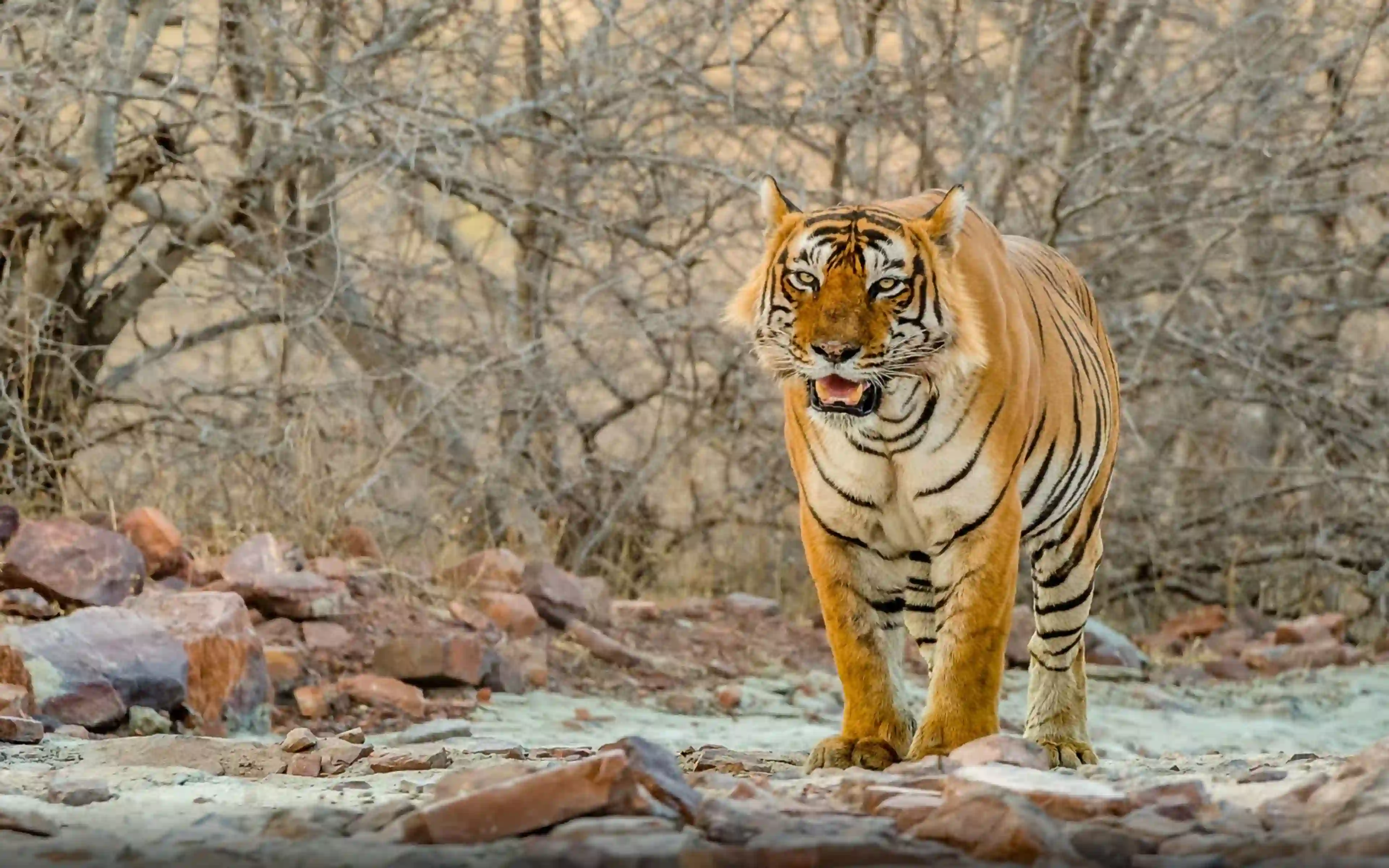
India is a destination where every journey tells a different story. Some travelers come to admire magnificent monuments, while others seek vibrant culture, colorful markets, and authentic cuisine. Then there are those who dream of witnessing the majestic Bengal tiger in its natural habitat. A trip that combines all these experiences is truly special, and that's exactly what the Ranthambore Safari Tour with the Golden Triangle offers. This incredible travel circuit connects Delhi, Agra, Jaipur, and Ranthambore National Park, creating an unforgettable adventure that perfectly balances history, architecture, wildlife, and local traditions.
The Golden Triangle has long been India's most popular tourist route because it showcases three of the country's most iconic cities. Delhi introduces visitors to India's fascinating blend of ancient heritage and modern development. Agra captures hearts with the timeless beauty of the Taj Mahal, while Jaipur dazzles travelers with royal palaces, colorful bazaars, and impressive forts. Adding Ranthambore National Park transforms this classic itinerary into an extraordinary experience by giving visitors the rare opportunity to explore one of India's finest tiger reserves. Instead of limiting your holiday to monuments and museums, you can also enjoy thrilling jungle safaris where every turn of the trail brings the excitement of spotting wildlife in its natural environment.
The Golden Triangle is named after the triangular route formed by Delhi, Agra, and Jaipur on the map of northern India. These three cities are connected by excellent highways, making travel smooth and comfortable. Millions of domestic and international tourists choose this route every year because it provides an ideal introduction to India's rich cultural heritage within a relatively short period.
Delhi welcomes travelers with a fascinating contrast between old and new. Historic attractions such as the Red Fort, Jama Masjid, Humayun's Tomb, India Gate, and Qutub Minar reveal centuries of Indian history, while modern districts feature upscale restaurants, shopping malls, and vibrant nightlife. Walking through Old Delhi feels like stepping back in time, where bustling markets, traditional street food, and narrow lanes create an atmosphere unlike anywhere else in the world.
The journey then continues to Agra, home to the magnificent Taj Mahal. Built by Emperor Shah Jahan in memory of his beloved wife Mumtaz Mahal, this white marble masterpiece remains one of the world's greatest architectural achievements. Visitors also explore Agra Fort and Mehtab Bagh, both offering remarkable insights into Mughal history. The city combines historical grandeur with lively local markets famous for marble handicrafts and traditional sweets.
Jaipur, known as the Pink City, completes the Golden Triangle with its magnificent forts and royal palaces. Amber Fort, City Palace, Hawa Mahal, Jal Mahal, Nahargarh Fort, and Jantar Mantar showcase the architectural brilliance of Rajasthan's royal heritage. Colorful bazaars filled with handcrafted jewelry, textiles, leather goods, and souvenirs make Jaipur a paradise for shoppers.
Many travelers wonder whether they should extend their Golden Triangle vacation by including Ranthambore National Park. The answer is simple: absolutely. While Delhi, Agra, and Jaipur celebrate India's architectural and cultural treasures, Ranthambore introduces visitors to the country's incredible wildlife.
The Ranthambore Safari Tour offers an entirely different perspective on India. Instead of exploring grand palaces and ancient forts, visitors venture deep into forests where nature takes center stage. The excitement of tracking tiger footprints, listening to alarm calls from deer, and watching peacocks dancing across open grasslands creates memories that last a lifetime.
Ranthambore National Park is located in Rajasthan and was once the private hunting ground of the Maharajas of Jaipur. Today it is one of India's premier tiger reserves and a significant part of Project Tiger, an ambitious conservation initiative launched to protect the endangered Bengal tiger. The park's dramatic landscape of forests, lakes, rocky hills, and ancient ruins provides the perfect habitat for a wide variety of wildlife.
Apart from Bengal tigers, visitors may encounter leopards, sloth bears, striped hyenas, crocodiles, wild boars, nilgai, sambars, chitals, langurs, jackals, and hundreds of bird species. Every safari is unique because animals move freely throughout the park, making each game drive an exciting adventure full of surprises.
Nothing compares to the thrill of driving through the forests of Ranthambore as the morning sun filters through ancient trees. Every rustling leaf and distant animal call keeps visitors alert because a tiger could appear at any moment. Experienced naturalists and safari guides carefully read animal tracks, fresh pugmarks, and alarm calls from monkeys or deer to increase the chances of spotting wildlife.
Even when tigers remain hidden, the safari itself is incredibly rewarding. Massive crocodiles bask beside peaceful lakes while colorful kingfishers dive into the water for fish. Spotted deer graze quietly in open meadows as langur monkeys leap between tree branches. During the winter months, migratory birds arrive from distant countries, making the park a paradise for birdwatchers and wildlife photographers alike.
The ancient Ranthambore Fort, standing proudly within the national park, adds another fascinating dimension to the safari experience. This UNESCO World Heritage Site overlooks the surrounding forest, providing breathtaking panoramic views of the landscape below. The combination of history and wildlife is one of the reasons why Ranthambore remains unique among India's national parks.
The Ranthambore Safari Tour is especially popular among photographers because every safari presents opportunities to capture dramatic landscapes, colorful birds, elusive predators, and unforgettable moments in nature. Whether you're carrying professional camera equipment or simply using your smartphone, the park offers countless opportunities to create remarkable travel memories.
Choosing the right season significantly enhances your travel experience. The park generally remains open from October until June, with different seasons offering unique advantages.
Winter, from October to March, is considered the most comfortable time to visit. Pleasant temperatures make sightseeing across Delhi, Agra, Jaipur, and Ranthambore enjoyable throughout the day. Wildlife remains active during the cooler mornings and evenings, while migratory birds arrive in large numbers, adding even more beauty to the forests.
Summer, from April to June, can be extremely hot, but it also provides some of the best opportunities to spot tigers. As water sources become limited, wildlife frequently gathers around lakes and watering holes, increasing the chances of memorable sightings. Although daytime temperatures can exceed 40°C, many wildlife enthusiasts consider this the ideal season for photography and tiger tracking.
A six-day itinerary offers an excellent balance between sightseeing and wildlife experiences. Travelers typically begin in Delhi, spending two days exploring the city's historical landmarks and vibrant markets before driving to Agra. After witnessing the sunrise over the Taj Mahal and exploring Agra Fort, the journey continues toward Ranthambore.
Most visitors enjoy both morning and afternoon safaris to maximize wildlife viewing opportunities. These game drives provide completely different experiences because animal behavior changes throughout the day. After the excitement of the jungle, the trip continues to Jaipur, where magnificent forts, royal palaces, colorful bazaars, and authentic Rajasthani cuisine await.
This itinerary allows travelers to experience India's incredible diversity without feeling rushed. Every destination introduces a new chapter of Indian history, culture, and natural beauty.
Planning ahead makes any Indian holiday more comfortable and enjoyable. Booking safari permits well in advance is highly recommended because visitor numbers are limited for each safari zone. Carrying lightweight cotton clothing in summer and warm layers during winter mornings ensures comfort throughout the journey.
Comfortable walking shoes are essential since many historical monuments involve considerable walking. Sunscreen, sunglasses, hats, reusable water bottles, binoculars, and a quality camera will greatly enhance your overall experience.
Respecting wildlife is equally important. Visitors should remain quiet during safaris, avoid feeding animals, and always follow instructions provided by trained forest guides. Responsible tourism helps protect the fragile ecosystem while ensuring future generations can enjoy the same remarkable wildlife experiences.
Indian cuisine is another highlight of the journey. From Delhi's famous street food to Agra's traditional Mughlai dishes and Jaipur's authentic Rajasthani specialties, every city offers unique flavors worth exploring. Trying local cuisine adds another memorable dimension to this incredible adventure.
A journey through Delhi, Agra, Jaipur, and Ranthambore represents far more than an ordinary vacation. It is an immersive experience where centuries of history meet breathtaking wildlife, creating memories that remain vivid long after returning home. Grand Mughal architecture, magnificent Rajput forts, colorful local culture, bustling markets, and thrilling jungle safaris combine to showcase the incredible diversity that makes India one of the world's most fascinating travel destinations.
Whether you're an architecture enthusiast, wildlife photographer, history lover, or first-time visitor to India, the Ranthambore Safari Tour with the Golden Triangle delivers an experience unlike any other. It offers the perfect opportunity to witness iconic landmarks while also exploring one of India's finest tiger reserves, making it an unforgettable journey filled with adventure, discovery, and inspiration.
A 6 to 8-day itinerary is ideal for comfortably exploring Delhi, Agra, Jaipur, and enjoying one or two wildlife safaris in Ranthambore National Park.
Visitors commonly spot leopards, sloth bears, crocodiles, jackals, hyenas, sambars, spotted deer, nilgai, langurs, wild boars, and over 300 species of birds.
Yes. Families, couples, solo travelers, and wildlife enthusiasts all enjoy visiting Ranthambore. Jeep and canter safaris are safe when conducted under authorized forest guides.
October through March offers pleasant weather, while April to June provides higher chances of tiger sightings near water bodies.
Booking at least two safaris—one morning and one afternoon—is recommended, as wildlife activity varies throughout the day and increases your chances of seeing a Bengal tiger.


