
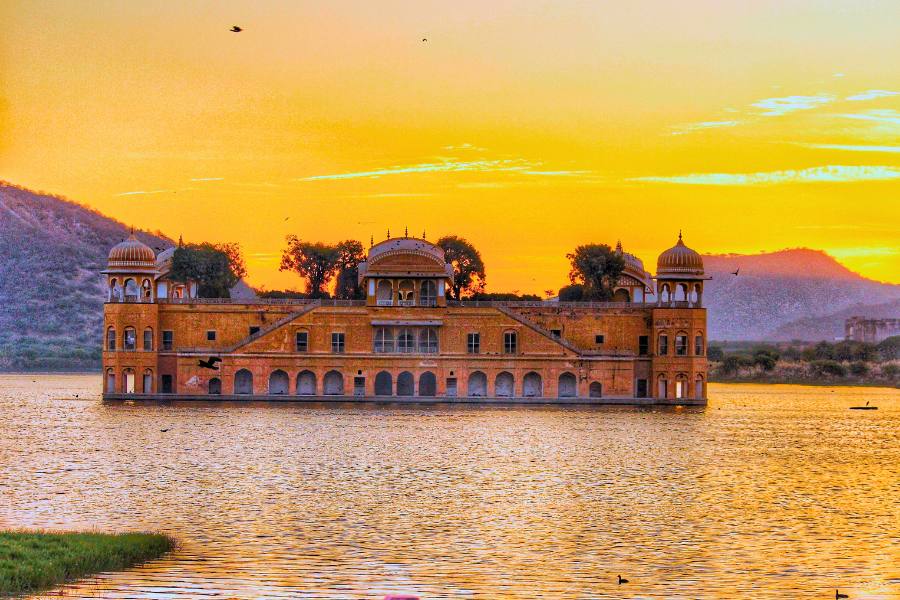
Jaipur, the vibrant capital of Rajasthan, is a city where history, culture, and royal elegance come together in spectacular fashion. Fondly known as the Pink City, Jaipur is famous for its magnificent forts, ornate palaces, colorful bazaars, and warm Rajasthani hospitality. Every street tells a story of the Rajput kings who once ruled this magnificent region, while modern cafés, luxury hotels, and cultural experiences add a contemporary charm to the city's timeless appeal. Whether you're visiting for a weekend or planning a longer Rajasthan vacation, this Jaipur Tour Guide will help you discover the city's must-visit attractions, historic landmarks, and hidden gems.
Founded in 1727 by Maharaja Sawai Jai Singh II, Jaipur was India's first planned city. Today, it is part of the famous Golden Triangle tourist circuit along with Delhi and Agra, making it one of the most visited destinations in the country. From UNESCO World Heritage Sites to bustling local markets, Jaipur promises unforgettable experiences for every type of traveler.
Jaipur is much more than a city of palaces. It is a destination where centuries-old traditions continue to thrive alongside modern attractions. Travelers come here to admire grand forts perched on hilltops, shop for handcrafted textiles and gemstones, taste authentic Rajasthani cuisine, and witness colorful cultural performances. The city's architectural beauty, vibrant festivals, and welcoming atmosphere make it one of India's most rewarding travel destinations.
One of Jaipur's greatest strengths is its diversity. In a single day, you can explore royal palaces, enjoy elephant-themed villages, sip coffee in trendy cafés, bargain in centuries-old markets, and end the evening watching a traditional folk dance performance. This Jaipur Tour Guide is designed to help you experience both the famous attractions and the lesser-known places that make Jaipur truly special.
The ideal time to visit Jaipur is between October and March, when the weather is pleasant and comfortable for sightseeing. During these months, temperatures usually range from 10°C to 28°C, making it perfect for exploring forts and walking through colorful markets.
Summer, from April to June, can be extremely hot, with temperatures often exceeding 42°C. Although hotels may offer discounted rates during this season, outdoor sightseeing becomes challenging. The monsoon season from July to September brings occasional rainfall, cooler evenings, and greener landscapes, making it an attractive option for budget-conscious travelers.
If possible, plan your visit during festivals like Diwali, Teej, or the Jaipur Literature Festival, when the city comes alive with cultural celebrations, decorations, and special events.
No trip to Jaipur is complete without visiting the magnificent Amber Fort. Located about 11 kilometers from the city center, this UNESCO World Heritage Site sits majestically on a hill overlooking Maota Lake. Built from red sandstone and white marble, Amber Fort showcases the architectural brilliance of the Rajput rulers.
Inside the fort, visitors can explore the breathtaking Sheesh Mahal (Mirror Palace), Diwan-e-Aam, Diwan-e-Khas, Ganesh Pol, and beautifully decorated courtyards. The intricate mirror work inside Sheesh Mahal creates a magical effect when illuminated, making it one of the most photographed locations in Jaipur.
The panoramic views from the fort walls are equally impressive, offering stunning vistas of the Aravalli Hills and the surrounding countryside. Visiting early in the morning allows you to avoid crowds and capture beautiful photographs in the soft golden light.
Located in the center of Jaipur, the City Palace remains one of the city's most significant landmarks. Even today, a portion of the palace serves as the residence of Jaipur's royal family. The complex combines Rajput, Mughal, and European architectural styles, creating an elegant blend of cultures.
The palace museum houses royal costumes, ancient weapons, manuscripts, paintings, and ceremonial artifacts that offer fascinating insights into Rajasthan's regal history. Visitors are particularly impressed by the famous Peacock Gate, one of the most Instagram-worthy locations in Jaipur.
As you stroll through the palace courtyards, you'll notice how every doorway, balcony, and archway has been meticulously designed. This Jaipur Tour Guide highly recommends including City Palace in your itinerary because it perfectly captures the grandeur of Rajasthan's royal heritage.
The iconic Hawa Mahal is perhaps Jaipur's most recognizable landmark. Built in 1799, this five-story pink sandstone structure features 953 intricately designed windows, allowing royal women to observe street festivals while remaining unseen.
Despite its elaborate appearance, Hawa Mahal is surprisingly narrow, with much of the structure functioning as an ornamental façade. Climbing to the upper levels rewards visitors with panoramic views of Jaipur's bustling markets and surrounding architecture.
The best time to visit Hawa Mahal is during sunrise, when the soft morning light enhances the pink sandstone, creating spectacular photography opportunities.
Perched high above Jaipur, Nahargarh Fort offers one of the city's most breathtaking panoramic views. Originally built as a defensive fortification, it later became a royal retreat where members of the royal family escaped the summer heat.
Today, Nahargarh Fort is particularly popular during sunset. Watching the sun slowly disappear behind the Aravalli Hills while Jaipur's lights begin to sparkle below creates an unforgettable experience.
Inside the fort, visitors can explore Madhavendra Bhawan, known for its beautifully designed suites built for the king and his queens. The symmetrical layout and colorful frescoes make it one of the fort's architectural highlights.
Just above Amber Fort stands the impressive Jaigarh Fort, famous for housing the legendary Jaivana Cannon, once considered the world's largest cannon on wheels. The fort was primarily built to protect Amber Fort and served as an important military stronghold.
Walking along its massive walls provides incredible views of Amber Fort and the surrounding hills. Unlike many other forts, Jaigarh remains remarkably well preserved, allowing visitors to appreciate its military engineering and defensive architecture.
History enthusiasts will enjoy exploring its armory, watchtowers, underground passages, and water reservoirs.
While Jaipur's famous monuments attract millions of visitors, several lesser-known attractions deserve equal attention.
Panna Meena Ka Kund is an ancient stepwell located near Amber Fort. Its symmetrical staircases and peaceful surroundings make it one of Jaipur's hidden photographic treasures.
Galtaji Temple, also known as the Monkey Temple, is nestled within the Aravalli Hills. The temple complex features natural water tanks, ancient shrines, and hundreds of playful monkeys.
Another hidden gem is Sisodia Rani Garden, a beautifully landscaped Mughal-style garden decorated with fountains, murals, and flowering plants. It offers a peaceful escape from the city's busy streets.
Travelers seeking authentic local experiences should also explore Jawahar Kala Kendra, where art exhibitions, cultural performances, and craft workshops showcase Rajasthan's contemporary creative scene.
Shopping is an essential part of every Jaipur vacation. The city's colorful markets offer everything from handcrafted textiles to precious gemstones.
Bargaining is expected in most local markets, so negotiate politely for the best prices.
Jaipur's culinary scene reflects the rich traditions of Rajasthan. Food lovers should not miss authentic dishes such as Dal Baati Churma, Laal Maas, Gatte Ki Sabzi, Ker Sangri, Pyaaz Kachori, and Mirchi Vada.
For dessert, try Ghewar, Mawa Kachori, and Rabri. Local sweet shops and traditional restaurants serve these delicacies throughout the city.
Many rooftop restaurants also offer spectacular views of forts and palaces while serving authentic Rajasthani thalis.
Transportation within Jaipur is convenient and affordable. Visitors can choose from:
Hiring a private driver for one or two days is often the most comfortable option if you plan to visit multiple forts.
CategoryBudget TravelerMid-Range TravelerHotel₹1,200–2,500₹3,500–7,000Food₹400–800₹1,200–2,000Transport₹300–700₹1,500–3,000Attraction Tickets₹500–1,000₹500–1,000Total Per Day₹2,400–5,000₹6,700–13,000
Luxury travelers can expect significantly higher costs depending on accommodation and experiences.
Start sightseeing early to avoid crowds and the afternoon heat. Wear comfortable shoes because many forts require climbing stairs and walking long distances. Carry sunscreen, sunglasses, and a reusable water bottle throughout your trip.
Dress modestly while visiting temples and religious sites. Keep cash handy for local markets, although digital payments are widely accepted. If shopping for gemstones or antiques, buy only from reputable stores that provide authenticity certificates.
Following a reliable Jaipur Tour Guide ensures you experience the city's major attractions while leaving enough time to explore hidden corners that many visitors overlook.
Many travelers include Jaipur in a rushed Golden Triangle itinerary, but the city deserves at least two or three days. Beyond the famous forts and palaces lies a vibrant cultural landscape filled with local artisans, traditional music, colorful festivals, and authentic food experiences.
Watching the sunrise over Amber Fort, spending an afternoon shopping in Johari Bazaar, enjoying sunset at Nahargarh Fort, and dining under the stars in a heritage haveli creates memories that cannot be experienced in just a few hours.
Every neighborhood reveals another layer of Jaipur's fascinating story. That is why this Jaipur Tour Guide encourages visitors to slow down, interact with local people, and appreciate the city's royal charm beyond its famous landmarks.
Jaipur is a destination where every monument tells a story and every street reflects centuries of royal tradition. From the magnificent Amber Fort and elegant City Palace to the iconic Hawa Mahal and peaceful hidden gems like Panna Meena Ka Kund, the Pink City offers an unforgettable blend of history, architecture, culture, and cuisine.
Whether you're exploring majestic forts, bargaining in colorful bazaars, tasting authentic Rajasthani dishes, or watching the sunset from Nahargarh Fort, every experience adds another chapter to your Jaipur adventure. This Jaipur Tour Guide provides everything you need to plan a memorable trip, whether it's your first visit or a return journey to Rajasthan. Save this Jaipur Tour Guide before you travel, use it to build your itinerary, and let the timeless beauty of Jaipur leave you with memories that last a lifetime.
Two to three days are ideal for exploring Jaipur's major forts, palaces, markets, museums, and cultural attractions comfortably.
October to March offers the most pleasant weather for sightseeing and outdoor activities.
Amber Fort is the most popular and iconic fort in Jaipur, attracting visitors from around the world.
Yes. Jaipur is an excellent destination for families, offering historical attractions, cultural experiences, shopping, and delicious local cuisine.
Jaipur is famous for gemstones, silver jewelry, block-printed textiles, blue pottery, leather juttis, lac bangles, and handcrafted souvenirs.


