
India is one of the world's most fascinating travel destinations, offering an incredible blend of history, culture, spirituality, wildlife, mountains, beaches, deserts, and modern cities. From the snow-covered Himalayas in the north to the tropical backwaters of Kerala in the south, every region has its own identity, traditions, cuisine, and unforgettable experiences. Whether you're planning your first visit or returning to explore more, having a reliable India Tour Guide can help you make the most of your journey while avoiding common travel mistakes.
India welcomes millions of international visitors every year because it offers something for every type of traveler. History enthusiasts can admire magnificent forts, palaces, and UNESCO World Heritage Sites, while adventure lovers can enjoy trekking, wildlife safaris, river rafting, and desert camping. Food lovers discover an endless variety of regional dishes, and spiritual travelers find peace in ancient temples, monasteries, mosques, churches, and yoga retreats. The country's diversity is unmatched, making every trip unique and memorable.
Unlike many destinations where attractions are concentrated in one area, India offers remarkable diversity across thousands of kilometers. Every state introduces different languages, clothing styles, festivals, architecture, and landscapes. This diversity means careful planning is essential. Choosing the right itinerary, travel season, transportation, and accommodation can transform an ordinary holiday into an extraordinary adventure. That's why many visitors rely on a professional India Tour Guide to design a comfortable and rewarding travel experience.
Few countries can match India's combination of ancient civilization and modern development. More than 5,000 years of history have shaped the country's cultural identity, leaving behind magnificent temples, royal palaces, impressive forts, colonial architecture, and vibrant cities. Travelers can explore Mughal monuments in Agra, Rajput forts in Rajasthan, Buddhist heritage in Bihar, Portuguese architecture in Goa, French influences in Puducherry, and British landmarks in Kolkata—all within one country.
India also offers extraordinary natural beauty. The Himalayan mountain ranges attract trekkers from around the world, while the deserts of Rajasthan create dramatic landscapes unlike anywhere else. Kerala's peaceful backwaters, Goa's golden beaches, Kashmir's valleys, Meghalaya's waterfalls, and the dense forests of central India provide endless opportunities for nature lovers.
One of India's greatest strengths is its hospitality. Guests are traditionally welcomed with the phrase "Atithi Devo Bhava," meaning "The Guest is God." Visitors often remember not only the monuments but also the warmth and friendliness of local people. Whether staying in a luxury palace hotel or a family-run homestay, travelers frequently experience genuine hospitality that makes their journey even more meaningful.
Indian festivals add another exciting dimension to travel. Celebrations like Diwali, Holi, Navratri, Durga Puja, Pushkar Camel Fair, and the Jaipur Literature Festival showcase colorful traditions, music, dance, food, and local customs. Planning a trip around these festivals allows visitors to experience India's vibrant cultural heritage firsthand.
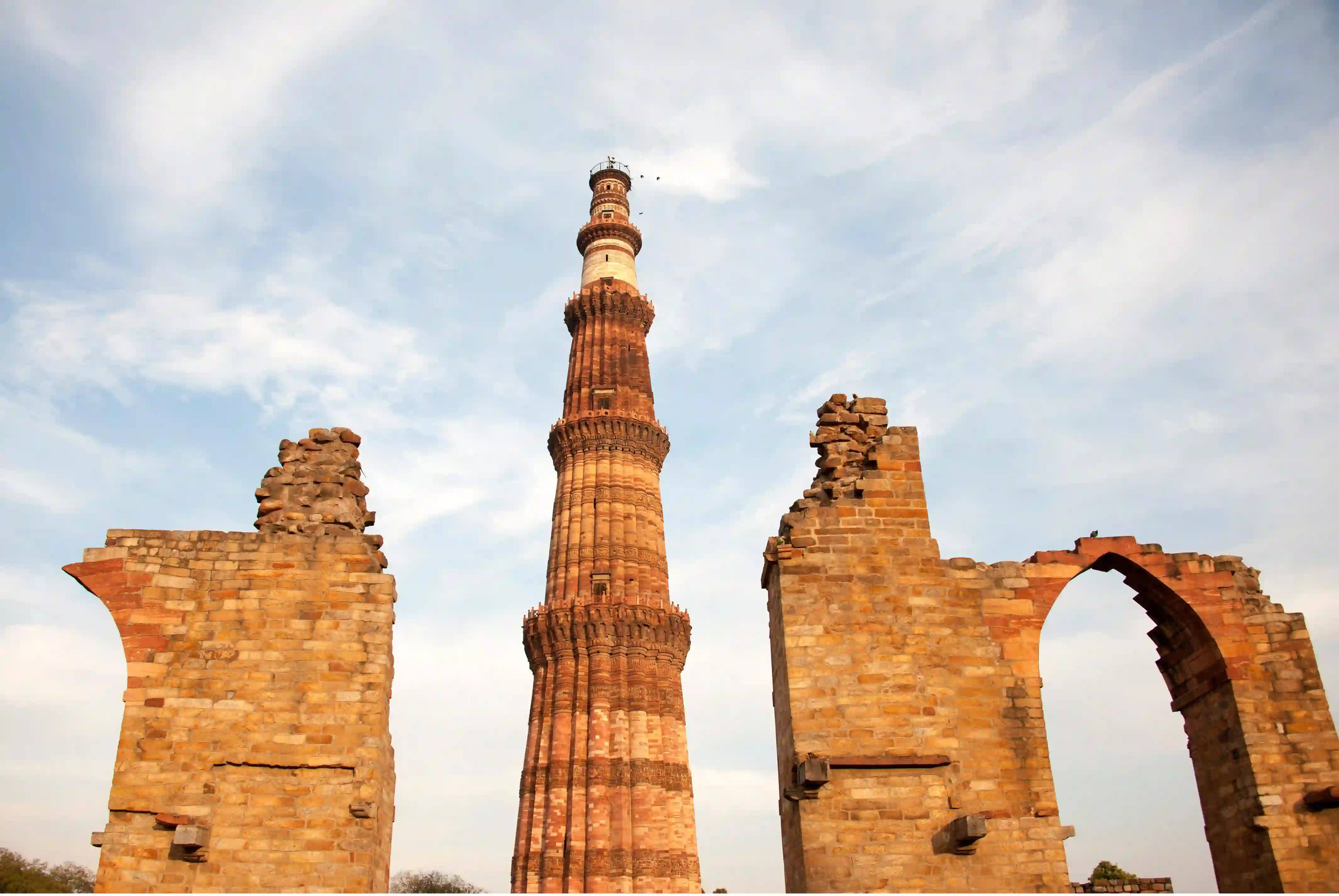
Delhi serves as the gateway to India for many international travelers. The capital city perfectly combines historical landmarks with modern attractions. Visitors can explore the Red Fort, Qutub Minar, India Gate, Humayun's Tomb, Jama Masjid, Lotus Temple, and bustling Chandni Chowk before enjoying luxury shopping centers and fine dining in New Delhi.
Agra remains one of India's most visited cities because of the world-famous Taj Mahal. Built by Emperor Shah Jahan in memory of Mumtaz Mahal, this architectural masterpiece attracts millions of visitors annually. Agra Fort and Mehtab Bagh further enrich the city's historical appeal, making Agra an essential stop on almost every North India itinerary.
Jaipur, the Pink City of Rajasthan, offers magnificent palaces, impressive forts, colorful markets, and rich royal heritage. Amber Fort, City Palace, Hawa Mahal, Nahargarh Fort, Jal Mahal, and Jantar Mantar provide visitors with a fascinating glimpse into Rajasthan's glorious past. Local markets filled with gemstones, handicrafts, textiles, and traditional jewelry make Jaipur a shopper's paradise.
Varanasi is among the oldest continuously inhabited cities in the world and one of Hinduism's holiest destinations. Watching the evening Ganga Aarti on the ghats, taking an early morning boat ride on the River Ganges, and wandering through ancient lanes create unforgettable spiritual experiences.
Kerala offers an entirely different atmosphere with peaceful backwaters, lush tea plantations, wildlife sanctuaries, and pristine beaches. Houseboat cruises through Alleppey, Ayurvedic wellness treatments, and traditional Kathakali performances make Kerala one of India's most relaxing destinations.
Goa is famous for its beautiful coastline, Portuguese heritage, vibrant nightlife, seafood cuisine, and water sports. Travelers can relax on sandy beaches, explore centuries-old churches, or enjoy lively beach markets and music festivals.
Rajasthan, beyond Jaipur, includes remarkable cities like Udaipur, Jodhpur, Jaisalmer, and Bikaner. Each city presents unique architecture, desert landscapes, and royal traditions that continue to attract travelers from around the globe.
Wildlife enthusiasts should not miss Ranthambore National Park, Jim Corbett National Park, Kaziranga National Park, Bandhavgarh National Park, and Kanha National Park. These reserves provide opportunities to spot Bengal tigers, elephants, rhinos, leopards, crocodiles, and hundreds of bird species in their natural habitats.
Planning ahead makes every trip smoother and more enjoyable. The best time to visit most parts of India is between October and March when temperatures remain pleasant for sightseeing. Summer months can be extremely hot in northern India, while the monsoon season brings heavy rainfall to several regions.
Booking hotels, domestic flights, trains, and popular attractions in advance helps avoid disappointment during peak tourist seasons. Carrying comfortable walking shoes, lightweight clothing, sunscreen, reusable water bottles, and basic medications will improve your travel experience considerably.
Transportation options include domestic flights, high-speed trains, private cars, taxis, metro systems, and ride-sharing services. Many visitors prefer hiring private drivers for longer journeys because it offers greater comfort and flexibility.
Food safety is another important consideration. Eating at reputable restaurants, drinking bottled water, and maintaining basic hygiene precautions will help ensure a healthy trip. At the same time, don't miss the opportunity to taste authentic Indian cuisine, as each region offers distinctive flavors and specialties.
A well-planned India Tour Guide also recommends respecting local customs and dress codes when visiting temples, mosques, monasteries, and other religious sites. Modest clothing and removing shoes before entering sacred places demonstrate respect for local traditions.
India has one of the largest transportation networks in the world, making it possible to travel between major destinations by air, rail, or road. Domestic airlines connect almost every major city, making flights the fastest option for travelers covering long distances. Cities such as Delhi, Mumbai, Bengaluru, Chennai, Jaipur, Kochi, and Kolkata have modern international and domestic airports that offer convenient connections across the country.
India's railway network is another fantastic way to explore the country. Trains range from luxury tourist trains like the Palace on Wheels and Maharajas' Express to affordable express trains that connect hundreds of cities every day. Train travel provides a wonderful opportunity to experience local life while enjoying scenic landscapes along the journey. However, reservations should be made well in advance, especially during holidays and peak travel seasons.
For shorter distances, private cars with professional drivers remain one of the most comfortable options. They provide flexibility to stop at attractions, restaurants, and viewpoints whenever you like. This is particularly useful for popular travel circuits such as the Golden Triangle, Rajasthan tours, and South India itineraries. A reliable India Tour Guide often recommends private transportation for families and small groups because it offers convenience, safety, and personalized experiences.
Public transportation in major cities has improved significantly over the years. Metro systems in Delhi, Bengaluru, Mumbai, Hyderabad, and several other cities provide clean, affordable, and efficient travel. Ride-sharing apps and prepaid taxis are also widely available, making it easy for visitors to move around urban areas without difficulty.
One of the greatest highlights of traveling through India is experiencing its incredibly diverse cuisine. Every region has developed its own cooking style, ingredients, spices, and traditional recipes over centuries. Rather than thinking of Indian food as one single cuisine, it is better understood as a collection of hundreds of regional culinary traditions.
Northern India is famous for rich curries, butter chicken, naan, kebabs, biryani, and creamy paneer dishes. Rajasthan offers specialties such as Dal Baati Churma, Gatte Ki Sabzi, and Laal Maas, while Punjab is celebrated for hearty meals served with freshly baked breads.
Southern India introduces completely different flavors. Dosas, idlis, sambhar, coconut chutney, seafood curries, and spicy rice dishes dominate the menus. Kerala is known for its seafood, coconut-based curries, and traditional Sadya meals served on banana leaves.
Western India offers the famous street foods of Mumbai, including Vada Pav, Pav Bhaji, and Bhel Puri, while Gujarat delights visitors with vegetarian thalis and sweet-savory snacks. Eastern India is renowned for fish curries and delicious desserts such as Rasgulla and Sandesh.
Food safety remains important during your travels. Eating freshly prepared meals at reputable restaurants, drinking sealed bottled water, and carrying hand sanitizer help minimize health risks. At the same time, don't hesitate to sample authentic regional cuisine because it forms an essential part of the Indian travel experience.
India is a country deeply rooted in traditions and customs. Respecting local etiquette helps visitors enjoy smoother interactions with local communities while demonstrating appreciation for cultural values.
When visiting temples, mosques, gurudwaras, or monasteries, modest clothing is recommended. Shoes are generally removed before entering places of worship, and photography may be restricted in certain locations. Always observe local guidelines and ask permission before photographing people, particularly in rural villages or religious ceremonies.
Greeting people with "Namaste" while joining your palms together is widely appreciated throughout India. Although English is commonly spoken in tourist destinations, learning a few simple local words often creates positive interactions with residents.
Bargaining is common in traditional markets and street bazaars but should always be done politely and respectfully. Tipping is appreciated in restaurants, hotels, and for tour guides and drivers, especially when service has been excellent.
Responsible tourism also plays an important role. Supporting local artisans, purchasing handmade products, avoiding littering, and respecting wildlife contribute to sustainable tourism while benefiting local communities.
India is far too large to explore in one trip, making itinerary planning extremely important. First-time visitors often begin with the famous Golden Triangle, covering Delhi, Agra, and Jaipur over five to seven days. This route provides an excellent introduction to India's history, architecture, and culture.
Travelers interested in wildlife can extend their journey to Ranthambore National Park, Jim Corbett National Park, Bandhavgarh National Park, or Kaziranga National Park for unforgettable safari experiences. Those seeking beaches and relaxation often combine Kerala and Goa, while adventure enthusiasts may prefer Ladakh, Himachal Pradesh, or Uttarakhand for trekking and mountain activities.
Luxury travelers can experience palace hotels, heritage properties, private guided tours, and luxury train journeys that recreate the lifestyle of India's former royal families. Budget travelers, meanwhile, will find an excellent range of affordable hotels, guesthouses, hostels, and local transportation options that make India accessible without compromising on memorable experiences.
Before finalizing your journey, consider the weather, regional festivals, travel distances, and your personal interests. A carefully planned India Tour Guide can help balance sightseeing, relaxation, cultural experiences, and adventure while ensuring efficient travel between destinations.
Shopping is an exciting part of any Indian vacation because every region specializes in unique handicrafts and traditional products. Jaipur is internationally known for gemstones, jewelry, blue pottery, block-printed textiles, and handcrafted souvenirs. Agra offers exquisite marble inlay work inspired by the Taj Mahal, while Delhi's bustling markets sell everything from clothing and leather goods to spices and handicrafts.
Kashmir is famous for Pashmina shawls and handwoven carpets, Kerala produces aromatic spices and Ayurvedic products, and Varanasi is celebrated for its luxurious silk sarees. Purchasing locally made handicrafts not only provides meaningful souvenirs but also supports skilled artisans and preserves traditional craftsmanship.
India is a destination unlike any other. Its remarkable diversity allows travelers to experience majestic mountains, ancient temples, royal palaces, bustling cities, peaceful villages, tropical beaches, dense forests, and extraordinary wildlife—all within a single country. Every journey introduces new traditions, flavors, landscapes, and unforgettable memories that inspire visitors to return again and again.
Whether you're fascinated by history, passionate about wildlife, interested in spirituality, or simply eager to experience one of the world's most vibrant cultures, India offers endless possibilities. A thoughtfully planned itinerary, combined with practical preparation and an open mind, ensures a rewarding travel experience. Using a trusted India Tour Guide can make exploring this vast and diverse country easier, more comfortable, and far more enriching, allowing you to discover the true spirit of Incredible India.
The ideal time to visit most parts of India is between October and March, when the weather is pleasant for sightseeing and outdoor activities.
Yes. Millions of tourists visit India every year safely. Like any destination, travelers should follow common safety precautions, use licensed transportation, and stay aware of their surroundings.
Most international travelers require a visa before entering India. Many nationalities can apply for an e-Visa online, making the process simple and convenient.
A first visit typically requires 7 to 14 days. This allows enough time to explore major destinations such as Delhi, Agra, Jaipur, and one or two additional regions based on your interests.
Pack lightweight clothing, comfortable walking shoes, sunscreen, sunglasses, a reusable water bottle, essential medications, travel adapters, and modest attire for visiting religious sites.


