
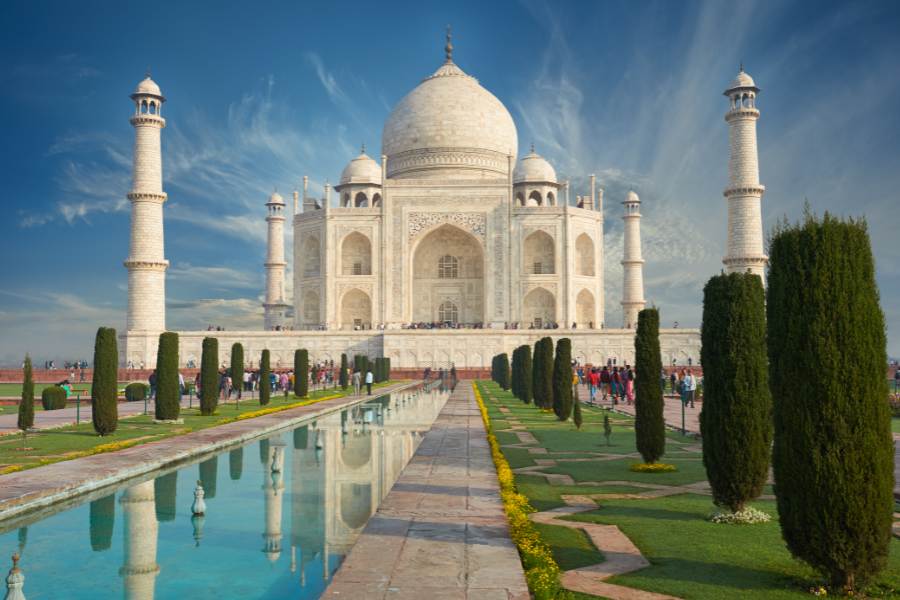
Planning a Private Taj Mahal Tour from Delhi is an excellent way to experience one of India's most famous monuments while keeping control over your schedule, transportation, and sightseeing pace. Unlike a fixed group tour, a private trip allows you to choose your departure time, select your preferred vehicle, spend as much time as you want at the monument, and add other Agra attractions to your itinerary. Delhi and Agra are connected by well-established road and rail links, making a same-day visit possible for travelers who have limited time. With sensible planning, you can leave Delhi early in the morning, reach Agra comfortably, explore the Taj Mahal with a private guide, visit Agra Fort, enjoy lunch, and return to Delhi in the evening. The key is to organize the important details before departure rather than trying to solve everything after arriving in Agra. This guide explains how to plan your trip, choose transportation, decide the best departure time, arrange tickets and a guide, select additional attractions, prepare for different seasons, and avoid common mistakes that can make a day trip unnecessarily stressful.
A private tour gives you significantly more flexibility than a group excursion. Your day does not have to follow another traveler's interests or a predetermined schedule. If you are fascinated by Mughal architecture, you can spend longer examining the Taj Mahal's marble details and historical features. If you are traveling with children or older family members, you can slow down when necessary without worrying about holding up an entire group.
Another advantage is door-to-door transportation. Depending on the package you select, a private car can pick you up from your hotel, residence, or another agreed location in Delhi and take you directly to Agra. Once you finish sightseeing, the same vehicle can take you back. This eliminates the need to negotiate separate transportation between the railway station, monuments, restaurants, and other attractions.
A private guide can also make a substantial difference. The Taj Mahal is visually impressive, but understanding its history, architecture, symbolism, and craftsmanship can make the visit much more meaningful. A knowledgeable guide can explain details that might otherwise be overlooked and help you navigate the monument efficiently.
Agra is approximately 230 kilometres from Delhi by road, although the exact distance depends on your starting point and route. The Yamuna Expressway provides a direct connection between Delhi and Agra, and a private vehicle can generally make the journey in several hours depending on traffic, weather, road conditions, and breaks.
For a same-day trip, leaving Delhi early is strongly recommended. A departure around 5:00 AM can give you enough time to reach Agra during the morning and complete your sightseeing without having to rush. Your exact travel time will vary, so avoid building an itinerary around an unrealistically precise arrival time.
If you are staying in an area of Delhi that is far from the expressway, factor in additional city traffic. Your driver should know the most appropriate route based on your pickup location and current road conditions.
One of the first decisions when planning a Private Taj Mahal Tour from Delhi is how you want to reach Agra. Both private cars and trains have advantages, but they provide very different experiences.
A private car offers maximum flexibility. You can leave when you want, stop for refreshments, carry luggage easily, and travel directly between attractions. This is particularly useful for families, couples, and small groups.
A train can be a convenient alternative if you prefer to avoid a long road journey. Some services connect Delhi and Agra relatively quickly, but your sightseeing schedule will be tied to the train timetable. After arriving at Agra's railway station, you will also need local transportation to reach the Taj Mahal and other attractions.
If your priority is convenience and a door-to-door experience, a private vehicle is usually the more straightforward arrangement. When comparing tour packages, ask whether fuel, tolls, parking, driver charges, taxes, and other transportation expenses are included.
Your departure time can determine whether your day feels relaxed or rushed. For most travelers, an early morning departure from Delhi is the best approach. Leaving at approximately 5:00 AM provides a useful buffer for traffic and gives you a large portion of the day for sightseeing.
An early start also means you can reach the Taj Mahal before the afternoon heat becomes uncomfortable, particularly during warmer months. The monument involves considerable walking, so completing the main portion of your sightseeing earlier can make the experience much more enjoyable.
If you are traveling during winter, remember that fog can affect visibility and road conditions in northern India. Allow additional travel time instead of assuming that your journey will always take the same number of hours.
Before finalizing your tour, check the Taj Mahal's current opening arrangements. The monument is traditionally closed to visitors on Fridays, and other special circumstances can affect access.
A good private tour should have structure without becoming rigid. You want enough organization to make sure you see the important attractions, but also enough flexibility to enjoy the experience.
A typical itinerary could begin with a pickup from your Delhi hotel around 5:00 AM. After traveling to Agra, you can head directly to the Taj Mahal for a morning visit. Allow approximately two to three hours depending on crowd levels and your interest in photography and history.
After the Taj Mahal, continue to Agra Fort. The fort is relatively close and can usually be explored within one to two hours. Afterward, take a lunch break at a reputable restaurant.
If you still have time and energy, you can add Mehtab Bagh or Itmad-ud-Daulah. However, don't feel pressured to visit every attraction. A private tour is most enjoyable when the schedule reflects your interests rather than becoming a checklist.
After your final sightseeing stop, begin the journey back to Delhi with sufficient time for unexpected traffic.
The Taj Mahal is more than a beautiful white-marble building. It is a complex of gardens, gateways, decorative elements, calligraphic panels, structures, and architectural details. A private guide can explain how these components fit together and why the monument became an important example of Mughal architecture.
The monument was commissioned by Mughal Emperor Shah Jahan in memory of Mumtaz Mahal. Construction began in the 17th century, and the completed complex reflects a combination of architectural traditions associated with the Mughal world.
A good guide can point out the marble inlay work, symmetry, decorative calligraphy, architectural proportions, and other details that are easy to miss when exploring independently. If you enjoy history or photography, tell your guide in advance so the visit can be adapted accordingly.
When booking a guide, ask whether the person is officially authorized to operate at the monument and whether the guide fee is included in your package. This avoids confusion after arriving in Agra.
Agra Fort is one of the most useful additions to a one-day itinerary because it provides a different perspective on Mughal history. While the Taj Mahal is primarily associated with a royal mausoleum, Agra Fort was a major imperial complex containing palaces, courtyards, halls, mosques, and defensive structures.
The fort's red sandstone architecture contrasts dramatically with the white marble of the Taj Mahal. Some sections also provide views toward the Taj Mahal, creating an interesting visual connection between the two historic sites.
Spend approximately one to two hours at the fort depending on your interests. A private guide can again be useful because the complex contains many historical spaces and stories that are difficult to understand simply by walking through the buildings.
Including Agra Fort makes your trip more than a visit to a single monument. It helps you understand Agra's role in the Mughal Empire and gives you a broader appreciation of the city's architectural heritage.
A well-planned Private Taj Mahal Tour from Delhi can include one additional attraction if your schedule permits. Mehtab Bagh is popular with visitors who want a different perspective of the Taj Mahal. Located across the Yamuna River, the garden provides a setting for viewing and photographing the monument from the opposite side.
Itmad-ud-Daulah is another option. Often referred to by the nickname "Baby Taj," the monument is known for its detailed marble decoration and historical importance.
You can also consider exploring local handicrafts if shopping interests you. Agra has a long tradition of marble inlay work, leather goods, textiles, and other crafts. However, be cautious about unsolicited recommendations from drivers or guides and choose reputable establishments when making purchases.
Don't add additional stops simply because they are available. The return journey to Delhi is long, and arriving back at your hotel exhausted can take some of the enjoyment out of the experience.
Private tour packages vary considerably, so comparing the details is more useful than comparing only the advertised price. Before booking, ask exactly what is included.
A good package should clearly explain the transportation type, pickup and drop-off locations, driver charges, fuel, tolls, parking, guide services, and monument tickets. Some packages advertise transportation at a low price and charge separately for several of these services.
Check the vehicle category as well. A sedan may be suitable for couples or small groups, while families with several passengers may prefer an SUV. Comfort matters because you will spend several hours traveling between Delhi and Agra.
You should also check the cancellation and rescheduling policy. Weather, illness, transport disruptions, or other unexpected circumstances can affect travel plans, so knowing the conditions in advance is useful.
The total cost depends on several factors, including vehicle type, number of passengers, guide services, season, pickup location, and whether monument tickets and meals are included.
A sedan will normally be more economical than a larger premium vehicle, while a private tour with a professional guide and additional sightseeing can cost more than basic transportation.
Instead of choosing the cheapest package automatically, calculate the complete cost. Ask whether the quote includes:
This approach makes it much easier to compare tour operators fairly.
The cooler months are generally comfortable for sightseeing in Agra because most of the itinerary involves walking outdoors. October through March is a popular period for visiting, although winter mornings can sometimes experience fog.
During summer, temperatures can become extremely high. If you travel during the hotter months, an early departure and morning sightseeing become even more important. Carry water, use sun protection, and avoid spending unnecessary time outdoors during the hottest part of the afternoon.
The monsoon season brings humidity and occasional rain. While weather conditions can affect outdoor sightseeing, the trip can still be enjoyable with a flexible schedule and appropriate clothing.
Regardless of the season, check the forecast before departure and keep some buffer time in your itinerary.
You don't need a large amount of luggage for a one-day trip. A small backpack with essentials should be sufficient.
Carry identification, your phone, a power bank, water, sunglasses, sunscreen, medication, tissues, and some cash. Comfortable walking shoes are especially important because the Taj Mahal and Agra Fort both require substantial walking.
If you're traveling with children, bring snacks and anything they normally need during a full day outside. During winter, a light jacket may be useful in the early morning, while summer travelers should prioritize lightweight clothing and sun protection.
Avoid carrying unnecessary items into the monument complexes. Security regulations can change, so check current official guidance before traveling.
Arranging monument tickets in advance can make the day more efficient, particularly during busy travel periods. However, ticketing procedures and prices can change, so rely on current official information when making your arrangements.
If your tour operator is purchasing tickets for you, ask for a clear breakdown of what is included. This prevents misunderstandings about entrance fees and additional charges.
Remember that having a private vehicle does not mean you can drive directly to the monument entrance. Visitor access and local transportation arrangements around the Taj Mahal are regulated, and your driver or tour operator should explain where the car will park and how you will reach the entrance.
Families can benefit significantly from a private tour because the schedule can be adjusted to suit children. You can take breaks when necessary, choose a comfortable vehicle, and avoid waiting for a large group.
Start early and carry water and snacks. Children may find several hours of walking tiring, so avoid scheduling too many attractions after the Taj Mahal and Agra Fort.
If you have a stroller, check the current accessibility arrangements for the places you plan to visit. Some historical areas have uneven surfaces or stairs that may make movement more difficult.
A private guide can also make the experience more engaging for children by explaining the stories behind the monuments rather than giving a long list of dates and architectural terms.
Couples often appreciate the flexibility of a private itinerary. You can spend additional time at your favorite locations, stop for photographs, enjoy lunch at a restaurant that suits your preferences, and return to Delhi according to your schedule.
If photography is important to you, tell your guide and driver in advance. They may be able to organize the sightseeing order around your preferred locations and available daylight.
Keep in mind that popular viewpoints can become crowded. A private tour cannot eliminate visitor numbers, but an early arrival can help you enjoy the monument before the busiest part of the day.
One common mistake is choosing a tour solely because it has the lowest advertised price. Extremely low prices may exclude tolls, entrance tickets, guide services, parking, or other necessary expenses.
Another mistake is failing to confirm the exact pickup and drop-off arrangements. Make sure your operator knows your hotel name, location, preferred departure time, and return requirements.
Don't assume every driver is a qualified guide. Transportation and professional guiding are different services. If you want historical explanations inside the monuments, confirm that a licensed or authorized guide is included.
Finally, avoid creating an itinerary with no buffer. A good private tour should have enough flexibility to absorb delays without ruining the entire day.
For travelers who value flexibility, convenience, and personalized sightseeing, a Private Taj Mahal Tour from Delhi can be a practical way to experience Agra in a single day. You can control your departure time, choose your vehicle, select attractions, and arrange a guide according to your interests.
The biggest benefit is that the trip can be designed around you. You don't have to wait for other tourists, visit places that don't interest you, or follow a rigid group schedule. Families can take breaks, photographers can spend longer at scenic locations, and history enthusiasts can devote more time to the monuments.
The experience becomes even smoother when you confirm the full package price, transportation details, monument arrangements, and return schedule before departure.
Planning a Private Taj Mahal Tour from Delhi doesn't have to be complicated. Start by choosing reliable transportation, schedule an early departure, confirm the Taj Mahal's opening arrangements, and decide whether you want a private guide. Once you arrive in Agra, visit the Taj Mahal first, explore Agra Fort, enjoy lunch, and add one additional attraction only if your schedule allows.
The best itinerary is not necessarily the one containing the largest number of attractions. It is the one that gives you enough time to appreciate the places you have traveled so far to see. Leave a comfortable buffer for traffic and security procedures, especially on the return journey to Delhi.
With thoughtful preparation, a private day trip can combine convenience with meaningful sightseeing. Instead of spending the day worrying about transportation and timing, you can concentrate on the architecture, history, photography, food, and atmosphere that make Agra such a memorable destination.
A departure around 5:00 AM is a practical choice for many travelers. Starting early provides more sightseeing time and helps create a buffer for traffic and other delays.
Yes. Agra Fort is an excellent addition to a one-day itinerary because it is relatively close to the Taj Mahal. Many travelers visit the Taj Mahal in the morning and Agra Fort afterward.
It depends on the package. Some tours include a private guide, while others provide only transportation. Confirm this before booking and ask whether monument entrance fees are also included.
Around two to three hours is reasonable for many visitors. You may want more time if you are particularly interested in photography, architecture, or history.
Yes. One of the main benefits of a private tour is flexibility. Depending on your operator and available time, you can usually customize pickup times, attractions, vehicle type, guide services, and meal arrangements.


