
Planning a journey through India’s famous Golden Triangle is one of the best ways to experience the country’s history, architecture, culture, food, and colorful traditions in a relatively short holiday. A well-designed Delhi Agra Jaipur Tour in 5 Days gives you enough time to explore the highlights of Delhi, discover the magnificent Taj Mahal in Agra, and experience the royal heritage of Jaipur without making the itinerary unnecessarily rushed. The route is also convenient because Delhi, Agra, and Jaipur are connected by well-used road and rail routes.
The secret to making five days work is choosing your sightseeing priorities before you travel. Delhi has an enormous number of attractions, Agra is home to some of India’s most important Mughal monuments, and Jaipur offers spectacular forts, palaces, markets, and colorful streets. Instead of trying to see everything, focus on the major highlights and leave enough time for the journey between destinations.
A private car with a professional driver can make this itinerary especially comfortable. You can begin sightseeing when you want, stop for refreshments, adjust your schedule, and travel directly from one city to another. With thoughtful planning, five days can provide an exciting introduction to northern India.
The Golden Triangle connects three destinations with very different personalities. Delhi combines ancient history with modern city life, Agra is closely associated with Mughal architecture and the Taj Mahal, and Jaipur showcases Rajasthan’s royal heritage. Travelling between these cities creates a natural circular route rather than requiring you to repeatedly return to the same location.
Five days is long enough to experience the major attractions while still being short enough for travellers who have limited vacation time. It is particularly suitable for first-time visitors who want a concentrated introduction to India.
Another advantage is variety. One morning you could be exploring an ancient fort, the next standing before the Taj Mahal, and later walking through a colorful Jaipur bazaar. The journey feels less like a single destination holiday and more like several different Indian experiences connected together.
A practical itinerary is to spend two days in Delhi, one day in Agra, and two days in Jaipur. This provides a reasonable balance between sightseeing and travel.
A simple structure is:
The exact arrangement can be modified depending on your arrival and departure flights. If you arrive in Delhi early on the first day, you can accomplish more sightseeing. If your international flight arrives late, you may prefer to use Day 1 more lightly and move additional Delhi attractions to Day 2.
Your first day should introduce you to Delhi’s historic character. Old Delhi is an excellent place to begin because it immediately exposes you to the city's lively streets, historic architecture, markets, and traditional food culture.
Start with the Red Fort, one of Delhi’s most recognizable landmarks and an important symbol of Mughal history. From there, explore Jama Masjid and the surrounding lanes of Old Delhi. Chandni Chowk is nearby and provides a completely different experience from the quiet gardens and monumental architecture found elsewhere in the city.
If you enjoy food, Old Delhi is worth exploring with a knowledgeable local guide. Street food, traditional sweets, snacks, and historic eateries make the neighborhood especially memorable. However, choose food stops carefully and prioritize cleanliness.
Later in the day, visit Raj Ghat or another nearby attraction before returning to your hotel. Keep the first evening reasonably relaxed because the following day will include additional sightseeing and travel.
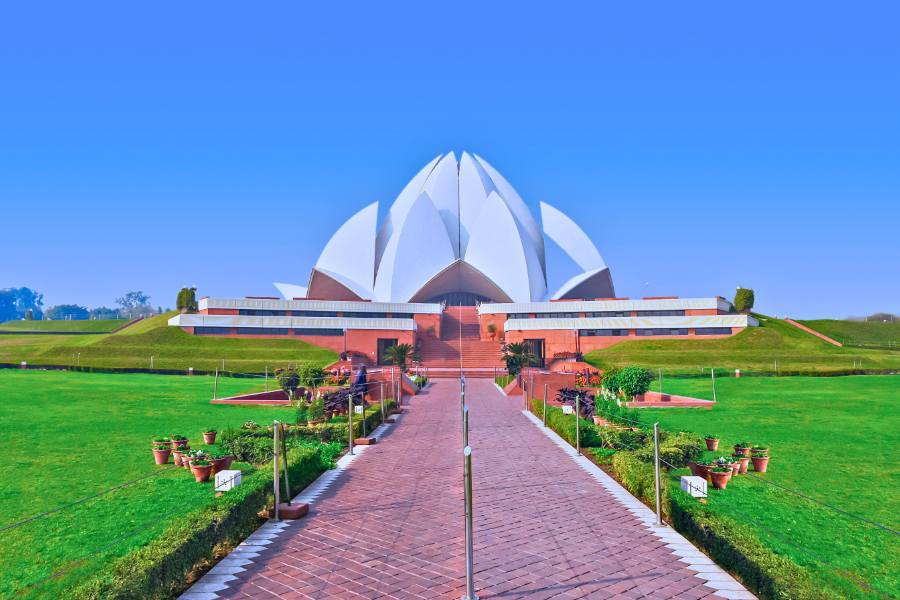
Begin your second day with some of New Delhi’s most important landmarks. Depending on your interests, you can visit India Gate, Humayun’s Tomb, Qutub Minar, Lotus Temple, or other major attractions.
Humayun’s Tomb is particularly worthwhile for architecture enthusiasts because its design represents an important stage in the development of Mughal architecture. Qutub Minar provides another fascinating historical perspective, with its monumental tower and surrounding archaeological complex.
Do not attempt to visit every attraction in Delhi. Traffic can be unpredictable, and spending the entire day moving from one place to another can make the experience exhausting. Choose three or four priorities and enjoy them properly.
After lunch or afternoon sightseeing, travel toward Agra. The journey is straightforward by private car or expressway, although actual travel time depends on traffic and road conditions. Arriving in Agra in the evening allows you to check into your hotel, relax, and prepare for an early start the following morning.
Day 3 is one of the most exciting parts of the itinerary. Begin early with a visit to the Taj Mahal. The monument is particularly beautiful in the morning, when softer light creates excellent conditions for photography and sightseeing.
Give yourself enough time to walk through the gardens and appreciate the monument from different angles. Look beyond the famous central photograph and notice the marble inlay, calligraphy, arches, symmetry, and decorative details.
After the Taj Mahal, visit Agra Fort. The enormous red sandstone complex provides a fascinating contrast to the white marble of the Taj Mahal. From certain areas within the fort, visitors can also appreciate views toward the Taj Mahal.
After lunch, you can choose an additional attraction if time allows. Itimad-ud-Daulah’s Tomb, sometimes called the Baby Taj, is an attractive option for travellers interested in Mughal architecture. Alternatively, you can spend more time relaxing before beginning the drive toward Jaipur.
For travellers following a Delhi Agra Jaipur Tour in 5 Days, the Agra-to-Jaipur journey is particularly convenient because it allows you to continue directly toward Rajasthan rather than returning to Delhi.
If you have an interest in history, Fatehpur Sikri can also be included as a stop between Agra and Jaipur, although you should account for the additional sightseeing time. It is better to see fewer places properly than to rush through several attractions.
Jaipur deserves at least a full day because the city offers a fascinating combination of forts, palaces, markets, temples, and traditional neighborhoods.
Begin with Amber Fort, located outside the central city. The fort sits dramatically against the surrounding hills and contains courtyards, gateways, halls, decorative interiors, and impressive viewpoints.
After Amber Fort, visit Jal Mahal from an external viewpoint if conditions permit. The palace appears to float in the middle of Man Sagar Lake and is one of Jaipur’s most recognizable photographic locations.
Continue toward the City Palace in the afternoon. The complex provides insight into Jaipur’s royal heritage through courtyards, palace buildings, decorative gateways, and museum collections.
Hawa Mahal should also be included. Its distinctive façade is one of the city's most recognizable landmarks. Although many visitors stop only for a photograph from outside, the surrounding streets and markets are worth exploring as well.
Finish your day with a visit to Jantar Mantar if your schedule permits. The historic astronomical instruments demonstrate the scientific interests of Jaipur’s rulers and provide a fascinating change from the city's forts and palaces.
Your final day should be flexible. Depending on your departure time, you can revisit a favorite area, explore a market, or visit an attraction you missed on Day 4.
Jaipur is well known for textiles, jewelry, handicrafts, block printing, traditional clothing, blue pottery, and other local products. Markets around the old city can be excellent places to browse for souvenirs.
Shopping should not become stressful. Compare prices, check the quality of products, and avoid feeling pressured to purchase something simply because a shopkeeper recommends it.
If your flight departs from Delhi, plan the return journey carefully. The distance between Jaipur and Delhi means you should leave plenty of time for road travel and airport procedures. If possible, arranging a departure from Jaipur can make the final day considerably easier.
Transportation can determine how comfortable your entire trip feels. A private car is one of the most convenient options because it allows direct travel between hotels and attractions without requiring repeated transfers.
A private driver can also help with luggage, parking, local navigation, and flexible stops. This is particularly useful for families and small groups.
Trains can be another excellent option, particularly for travellers who prefer rail travel or want to reduce road time. However, train schedules, station transfers, luggage handling, and availability should be considered when creating a five-day itinerary.
For maximum flexibility, private road travel is difficult to beat.
The cooler months from October through March are generally popular for a Golden Triangle holiday. Daytime conditions are usually more comfortable for sightseeing, although winter mornings can be chilly.
April through June can become very hot, particularly in Agra and Jaipur. If you travel during the hotter months, start sightseeing early, carry water, and avoid unnecessary outdoor activity during the middle of the day.
The monsoon season can bring rain and humidity but may also provide greener landscapes and fewer tourists at some attractions. Your choice should depend on your tolerance for heat, rain, and crowds.
Comfort is especially important when you are moving between three cities in five days. Wear comfortable walking shoes because forts, monuments, gardens, and historic complexes often require significant walking.
Keep your daily luggage organized and avoid carrying unnecessary items during sightseeing. A small backpack containing water, sunscreen, sunglasses, medications, and basic personal items is usually enough.
It is also useful to leave some free time in the schedule. A five-day itinerary does not need to be planned minute by minute. Traffic delays, unexpected discoveries, and simply wanting to spend longer at the Taj Mahal can all happen.
A professional guide can add considerable value to a Golden Triangle journey. Delhi, Agra, and Jaipur contain layers of history that are difficult to understand simply by reading signs at monuments.
A guide can explain architectural details, historical events, royal families, religious traditions, and local stories. They can also help you find important features that you might otherwise walk past.
For a first visit, consider hiring guides for the major sightseeing days rather than necessarily using one continuously for five days. This provides historical context without making the entire trip feel overly structured.
Food is an important part of travelling through northern India. Delhi offers everything from street food and traditional Mughlai dishes to modern restaurants. Agra is associated with Mughlai cuisine and local sweets, while Jaipur provides opportunities to try traditional Rajasthani dishes.
Popular regional foods can include dishes such as dal baati churma, kachori, lassi, kebabs, and a wide variety of vegetarian preparations.
If you are not accustomed to spicy food, tell restaurant staff clearly. Choose busy, well-reviewed restaurants with good hygiene standards, especially during a packed travel itinerary.
Yes, five days is enough for a highlights-focused journey, but it is not enough to explore every attraction in depth. The key is accepting that you are taking an introduction rather than an exhaustive tour.
You will see Delhi's historic landmarks, experience the Taj Mahal and Agra's Mughal heritage, and explore Jaipur's royal architecture. You will also have the opportunity to experience local food, markets, and everyday city life.
If you have seven to ten days, the itinerary can become much more relaxed. You could add Ranthambore, Udaipur, Pushkar, or additional time in each city. However, five days works very well for travellers with limited vacation time.
Plan your major attractions before arrival but keep the schedule flexible. Book hotels in convenient areas, arrange reliable transportation, and confirm monument opening arrangements before each sightseeing day.
Avoid trying to save time by visiting too many attractions. Quality matters more than quantity. Spending two enjoyable hours at a major monument is generally better than rushing through five places simply to say you visited them.
Respect local customs, dress appropriately when visiting religious sites, stay hydrated, and keep an open mind. India can feel intense at first, but that energy is part of what makes the journey so memorable.
A five-day Golden Triangle itinerary is an excellent introduction to India's history and culture. The journey takes you from the energetic streets of Delhi to the timeless beauty of the Taj Mahal and then into Jaipur's colorful world of forts, palaces, markets, and royal traditions.
The best Delhi Agra Jaipur Tour in 5 Days is not necessarily the one with the longest sightseeing list. It is the one that gives you enough time to appreciate the major landmarks while keeping transportation, meals, hotel locations, and rest periods under control.
With an early start, comfortable transportation, sensible hotel choices, and a flexible sightseeing plan, five days can deliver an unforgettable experience. You may not see every corner of Delhi, Agra, and Jaipur, but you will experience the highlights—and that is often the perfect reason to return to India for another adventure.
Yes. Five days is a practical amount of time for a highlights-focused Golden Triangle trip. A carefully planned itinerary can cover the major attractions in all three cities.
A common route is Delhi → Agra → Jaipur. This route avoids unnecessary backtracking and allows travellers to experience the three destinations in a logical sequence.
A private car offers flexibility and convenience, particularly for families and small groups. You can travel directly between hotels and attractions and adjust the schedule when necessary.
Yes. Fatehpur Sikri can be included between Agra and Jaipur, but you should allow additional time for sightseeing. If your priority is a relaxed five-day trip, avoid adding too many extra destinations.
October through March is generally popular because temperatures are more comfortable for sightseeing. Summer can be very hot, while the monsoon season brings humidity and rain.


