
Planning a trip to India for the first time can feel exciting and slightly overwhelming at the same time. There are so many historic monuments, colorful markets, cultural experiences, regional foods, and fascinating cities to choose from that deciding how long to spend in each destination is often harder than choosing where to go. One of the most popular routes for discovering northern India combines Delhi, Agra, and Jaipur, often known as the Golden Triangle. The three cities are relatively well connected, yet each has a completely different personality and historical identity. Delhi is a sprawling capital where ancient monuments stand beside modern neighborhoods, Agra is famous around the world for the Taj Mahal and its Mughal heritage, and Jaipur introduces travelers to the royal traditions, forts, palaces, and colorful architecture of Rajasthan. For most travelers, 6 to 7 days is the ideal amount of time for Delhi, Agra and Jaipur, although shorter and longer itineraries can work depending on your interests, budget, travel style, and available vacation time. The key is not simply counting days but distributing them intelligently so that you can experience the highlights without spending your entire trip rushing between attractions.
For a first visit, six or seven days is generally the sweet spot for this classic Indian itinerary. A six-day trip can cover the major highlights comfortably if your schedule is organized, while seven days gives you a little more breathing room for unexpected delays, leisurely meals, shopping, and experiences beyond the major monuments. A shorter itinerary of four or five days is possible, but you will have to move quickly and prioritize your attractions. If you have eight to ten days, the experience becomes more relaxed and allows you to add destinations or additional activities. The biggest mistake travelers make is assuming that because Delhi, Agra, and Jaipur are geographically connected, they can see everything in only a few days without feeling rushed. Travel time, hotel check-ins, security procedures, traffic, sightseeing, meals, and simple rest all take time. A good itinerary should therefore feel like a journey rather than a race. If your goal is to understand the history and culture of these destinations instead of merely photographing their most famous monuments, giving yourself at least six days is a much better approach.
Delhi deserves two full days for a first-time visitor. Some travelers try to squeeze the capital into a single day because they are eager to reach Agra, but that usually means missing some of the city's most interesting experiences. Delhi is enormous and contains several layers of history, from ancient and medieval monuments to Mughal architecture and colonial-era landmarks. It is also a modern political and commercial center with restaurants, museums, galleries, shopping districts, and neighborhoods that each have their own atmosphere. Two days give you enough time to divide your sightseeing between Old Delhi and New Delhi instead of trying to cover the entire city in one exhausting day. You can explore major landmarks while still leaving room for lunch, photographs, local markets, and spontaneous discoveries.
On your first day, consider focusing on Old Delhi and central Delhi. Jama Masjid, Chandni Chowk, the Red Fort area, and the narrow lanes of Old Delhi provide an immediate introduction to the city's historic character. A rickshaw ride through selected parts of the old city can be an entertaining way to see areas that would be difficult to navigate on foot. You can then explore India Gate and parts of central New Delhi later in the day if your energy allows. On the second day, visit attractions such as Humayun's Tomb, Qutub Minar, Lotus Temple, or Lodhi Garden. You do not necessarily need to visit every monument. Choosing a few meaningful sites and spending enough time at each is more rewarding than racing through six or seven attractions simply to say you saw them.
Delhi's greatest strength is its variety. Within a relatively short period, you can move from centuries-old mosques and Mughal structures to elegant colonial avenues, contemporary restaurants, colorful markets, and modern shopping districts. That contrast is difficult to appreciate if you only have several hours in the city. Delhi also tends to be the international arrival point for many travelers, which makes the first day particularly important. Jet lag, airport transfers, hotel check-in, and traffic can reduce the amount of useful sightseeing time available. By allowing two days, you create a buffer that makes the beginning of your trip more comfortable.
Food is another reason to stay longer. Delhi has an extraordinary culinary reputation, and eating is part of the cultural experience. Depending on your preferences, you can try traditional North Indian cuisine, Mughlai dishes, vegetarian specialties, kebabs, parathas, sweets, and carefully selected street-food experiences. A food tour can be particularly useful for first-time visitors because a local guide can introduce you to specialties that you might otherwise overlook. In other words, your Delhi experience should not be measured only by how many monuments you visit. Sometimes a memorable meal or conversation can become just as important as a famous landmark.
For most travelers, one full day and one night in Agra is enough to see the major attractions. Agra is different from Delhi and Jaipur because its tourism is strongly centered around a small group of extraordinary Mughal monuments. The Taj Mahal is obviously the main attraction, but Agra Fort and several other sites make staying overnight worthwhile. Some travelers visit Agra as a day trip from Delhi, but spending a night in the city makes the experience less rushed and gives you the opportunity to see the Taj Mahal in different lighting conditions. It also allows you to visit Agra Fort and other attractions without trying to fit everything into one long day.
A sensible schedule is to travel from Delhi to Agra in the morning, check into your accommodation, and visit Agra Fort and another nearby attraction during the afternoon. Depending on the season and opening arrangements, you can then visit a viewpoint around the Taj Mahal at sunset. The next morning, get up early for your Taj Mahal visit. This early start is one of the highlights of the entire itinerary because the monument looks particularly beautiful in the softer morning light. After sightseeing, have breakfast and continue toward Jaipur. This arrangement turns Agra into an enjoyable part of the trip rather than a stressful detour.
Yes, one full sightseeing day can be enough for Agra, particularly if your primary objective is the Taj Mahal and Agra Fort. However, there is a difference between one full day in the city and visiting Agra for only a few hours. The latter can feel rushed because transportation and entry procedures consume valuable time. An overnight stay is generally preferable if your schedule permits. It gives you flexibility and removes the pressure of trying to see the Taj Mahal, Agra Fort, and other attractions before immediately traveling onward.
The city also has a deeper history than its most famous monument suggests. Agra was a major center during the Mughal period, and its architecture reflects the artistic and political sophistication of that era. Itimad-ud-Daulah's Tomb, often called the Baby Taj, is worth considering if you enjoy detailed marble architecture. Mehtab Bagh can provide another perspective across the Yamuna River. These additional sites are optional, but they can make your Agra stay more interesting if you have enough time.
Jaipur deserves two to three days, depending on how deeply you want to explore Rajasthan's culture. Two days are enough for the principal attractions, while three days allow a much more relaxed experience. Jaipur is not simply another monument city. It is a living capital filled with markets, craft traditions, restaurants, historic neighborhoods, royal residences, and spectacular architecture. The city also has a different visual and cultural character from Delhi and Agra, so rushing through it can mean missing what makes it special.
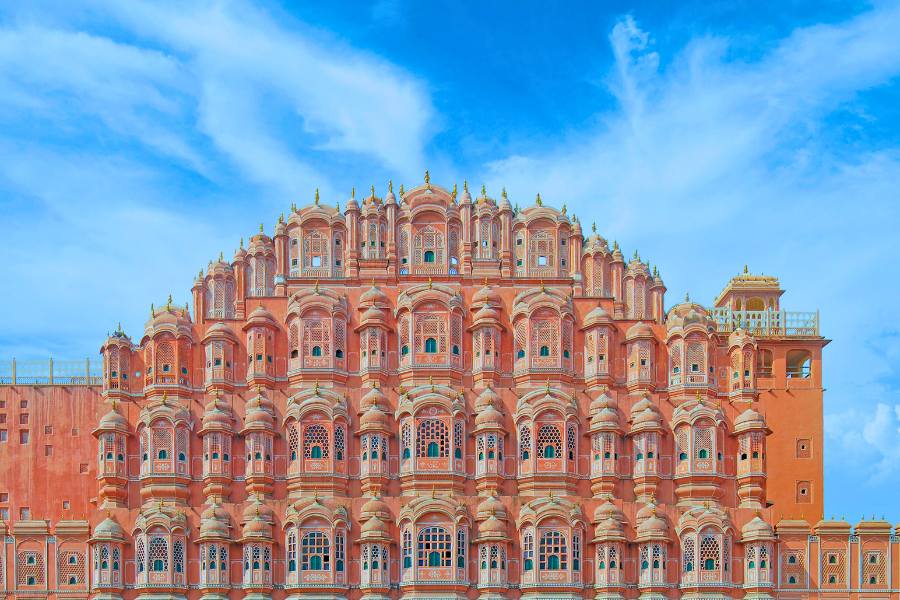
On your first day, focus on the city's major historic attractions. Start with Amber Fort, which sits outside the central area and deserves several hours. Continue to Jal Mahal for a photography stop before exploring Hawa Mahal and the surrounding historic district. Depending on your schedule, you can also visit Jantar Mantar or the City Palace. These attractions provide a strong introduction to Jaipur's royal heritage.
A second day can be dedicated to the City Palace, markets, local crafts, food, and additional attractions such as Nahargarh Fort. You can shop for textiles, handicrafts, jewelry, and traditional souvenirs while learning about the city's artistic traditions. If you have a third day, slow down. Take a cooking class, join a walking tour, explore a less-visited neighborhood, or simply enjoy your hotel and the city's atmosphere. That slower pace can be surprisingly valuable after several days of sightseeing.
Jaipur is the city where travelers often wish they had planned an additional day. The major monuments are impressive, but the city's charm also lies in the spaces between them. Colorful doors, traditional workshops, local bazaars, historic mansions, street food, and evening views can all become part of your experience. Trying to fit these elements around a packed sightseeing schedule can leave you with very little time to actually enjoy them.
Jaipur is also a great place to experience Rajasthan's cuisine. Traditional dishes such as dal baati churma, gatte ki sabzi, ker sangri, and regional sweets offer a different culinary experience from Delhi and Agra. A guided food walk or cooking class can be an excellent addition if you want something more interactive than conventional sightseeing. The more time you have, the easier it becomes to balance famous attractions with these smaller cultural experiences.
If you only have six days, you can still create an excellent itinerary by keeping the schedule organized. Spend two days in Delhi, one night and roughly a day in Agra, and two days in Jaipur, with the final day allocated according to your departure plans. The first day in Delhi can focus on Old Delhi and central landmarks, while the second day can cover Humayun's Tomb, Qutub Minar, and other selected attractions. On day three, travel to Agra, visit Agra Fort and surrounding attractions, and stay overnight.
Day four should begin with the Taj Mahal before you travel toward Jaipur. If timing allows, consider stopping at Fatehpur Sikri along the way. Days five and six can then focus on Jaipur's forts, palaces, markets, and food. This is a fast but manageable schedule for travelers who want to experience the essential highlights without taking a long vacation.
Seven days is arguably the most comfortable option for Delhi, Agra and Jaipur. Spend days one and two in Delhi, day three in Agra, day four traveling from Agra to Jaipur, and days five and six exploring Jaipur. Day seven can be used for additional Jaipur sightseeing or travel back to Delhi depending on your flight schedule. The extra day creates flexibility and reduces the pressure that can make shorter itineraries tiring.
A seven-day schedule also gives you more opportunities to experience each city beyond its famous landmarks. You can spend additional time eating local food, shopping, photographing historic neighborhoods, or simply relaxing. If your international flight departs from Delhi, make sure you allow enough time for the return journey rather than scheduling your transfer too close to your flight.
If you have eight to ten days, you should resist the temptation to add dozens of attractions to the same itinerary. Instead, use the extra time to slow down or extend your journey. An additional day in Delhi can allow you to explore museums and markets. An extra day in Jaipur can give you time for cultural activities or nearby excursions. You can also consider extending your trip into Rajasthan with destinations such as Jodhpur, Udaipur, or Pushkar, depending on your interests and transportation plans.
A longer trip is especially useful for travelers who enjoy photography, food, architecture, shopping, or cultural experiences. Rather than seeing the Golden Triangle as a three-city checklist, think of it as the beginning of a broader journey through northern India. This approach allows you to adapt the itinerary to your interests rather than simply following the most common tourist schedule.
Transportation can have a major effect on how much time you actually have for sightseeing. Trains are a popular option between major cities and can be efficient when schedules work for you. Private cars offer greater flexibility, particularly when you want to stop at places such as Fatehpur Sikri while traveling between Agra and Jaipur. The best choice depends on your comfort level, budget, luggage, and preference for independence.
A private driver can be particularly convenient for first-time visitors because you do not have to coordinate multiple transfers. However, independent travelers who are comfortable with India's rail system may enjoy using trains for selected sections. Whichever method you choose, check current schedules and travel conditions close to your departure date rather than relying solely on old itinerary information.
The cooler months are generally preferred for sightseeing in northern India. October through March is commonly favored because temperatures are generally more comfortable than during the hottest part of the year. However, winter mornings can be cold and fog can occasionally affect visibility in Delhi and Agra. This is particularly relevant if seeing the Taj Mahal at sunrise is a major priority.
Summer can be extremely hot, making long outdoor sightseeing sessions uncomfortable. The monsoon season brings rainfall and higher humidity, although some travelers appreciate the greener landscapes and fewer tourists. Your choice should ultimately depend on your weather preferences, schedule, and willingness to adapt.
The most important tip is to avoid overloading your itinerary. It is tempting to create a schedule containing every monument mentioned in a guidebook, but that approach often leaves travelers exhausted. Select the attractions that genuinely interest you and leave some room for meals, traffic, rest, and unexpected discoveries.
Comfortable footwear is essential because sightseeing often involves considerably more walking than expected. Carry water, sunscreen, necessary medication, and a small bag for essentials. When visiting religious or historic sites, dress respectfully and follow local photography rules. Keep valuables secure in crowded areas and use reputable transportation and accommodation providers.
Most importantly, allow yourself to experience the cities rather than constantly watching the clock. A relaxed breakfast, an interesting market conversation, a beautiful sunset, or a memorable local meal may become one of the highlights of your trip even though it was never included in your original plan.
So, how many days are enough for Delhi, Agra and Jaipur? For most first-time visitors, the answer is six to seven days. Two days in Delhi, approximately one day and one night in Agra, and two to three days in Jaipur provide a balanced combination of history, architecture, culture, food, and relaxation. Five days can work for travelers with limited vacation time, while eight to ten days are better for anyone who prefers slower travel or wants to extend the journey into Rajasthan.
If you have the choice, choose seven days rather than trying to squeeze everything into four or five. The additional time may not dramatically increase the number of monuments you see, but it can dramatically improve how you experience them. You will have more opportunities to pause, explore, eat, photograph, and appreciate the incredible contrasts between India's capital, its Mughal heartland, and Rajasthan's royal city. Ultimately, the best itinerary is not the one with the most attractions; it is the one that leaves you with the strongest memories.
Yes, five days is possible, but the itinerary will be relatively fast-paced. You should focus on the principal attractions and minimize unnecessary travel time. If you can add another day or two, the trip will feel significantly more relaxed.
For most travelers, one night is sufficient. Staying two nights can make sense if you want to explore additional Mughal sites, visit local markets, or travel at a slower pace. Otherwise, one night gives you enough time for the Taj Mahal and Agra Fort.
Absolutely, especially if you enjoy architecture, history, shopping, food, and culture. Two days cover the major sights, while three days allow you to explore Jaipur at a much more comfortable pace.
It is technically possible to visit the Taj Mahal early in the morning and then travel toward Jaipur, but you should expect a long day. If you want to enjoy the Taj Mahal properly and include stops such as Fatehpur Sikri, plan your transportation carefully.
For most travelers, Delhi and Jaipur deserve the most time because they offer a wider variety of attractions and experiences. Agra can be covered more efficiently, particularly if the Taj Mahal is your main objective.


